Chicago, IL · dry cleaner
Dry cleaner permits Chicago
Opening a dry cleaner in Chicago requires navigating a complex web of permits and licenses. The city's regulatory landscape demands careful attention to compliance requirements across multiple jurisdictions. Before investing in equipment, hiring staff, or signing a lease, founders must verify all necessary permits to avoid costly delays and potential legal issues.
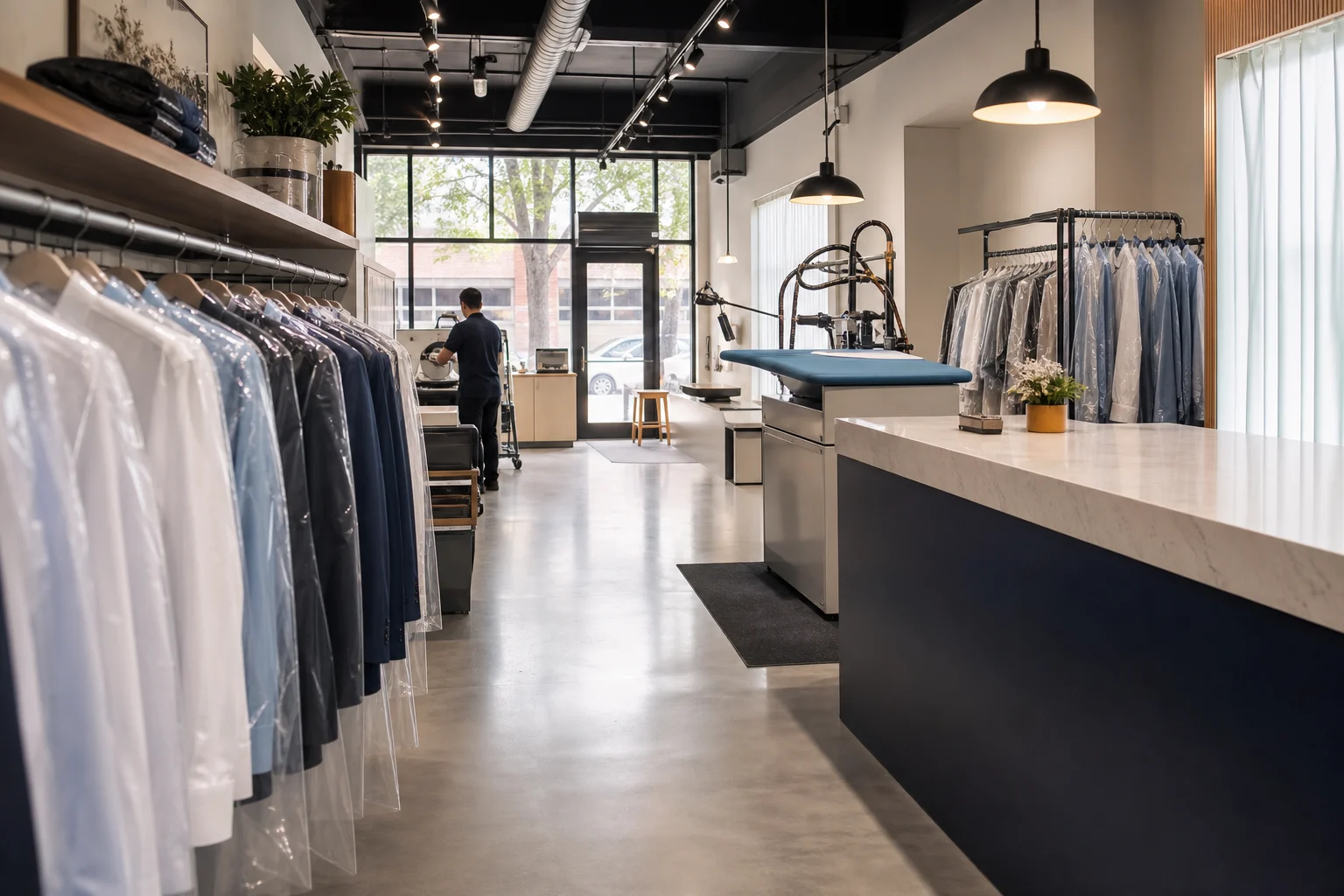
The permit stack to verify
Starting a dry cleaner in Chicago involves verifying permits across several categories. Each category serves a specific purpose in ensuring your business operates legally and safely. Founders should create a checklist covering city, state, landlord, health, fire, signage, and tax requirements before making significant financial commitments.
The Chicago market shows promising conditions for dry cleaners, with medium competition density and high rent levels. According to Locavisor neighborhood scoring, the South Loop ranks highest overall with a score of 7.0/10, followed by The Loop and West Loop both at 6.8/10. These areas offer strong demand but come with premium rent expectations of roughly $90-140/sqft NNN.
City, state, landlord, health, fire, signage, and tax registrations
Chicago requires dry cleaners to obtain city business licenses before operating. These licenses verify your business structure and location comply with municipal regulations. State-level registrations include sales tax permits and potentially environmental compliance certifications, depending on your specific cleaning processes and chemicals used.
Landlord approvals often go beyond basic lease terms. Many commercial leases require additional consent for specialized equipment installation, ventilation systems, or hazardous material storage. Health department permits focus on facility cleanliness, chemical handling, and employee safety protocols. Fire department inspections verify proper fire suppression systems and emergency exits.
Signage permits regulate the size, placement, and illumination of business signs. These requirements vary significantly by neighborhood and building type. Tax registrations include federal employer identification numbers and state sales tax collection authorization. Each category requires separate applications and documentation.
Documents to collect before lease signing
Before committing to a commercial space, gather all necessary documentation to verify compliance requirements. This includes zoning verification confirming your business type is permitted at the specific address. Building department records should indicate any previous violations or outstanding issues with the property.
Environmental impact assessments may be required depending on your location and cleaning processes. Neighborhood association covenants might impose additional restrictions on operating hours or customer traffic patterns. Utility company approvals may be needed for specialized equipment connections or increased power demands.
For the South Loop area, expect high rent levels of roughly $90-140/sqft NNN, but benefit from strong demand (8.4) and perfect competitionFit (10). The Loop offers the highest daytime worker density but has thin weekend and evening volume due to low residential density. The West Loop combines strong office density with a trendy evening dining scene, though rent remains equally punishing.
What varies by dry cleaner format
Different dry cleaner formats require different permit stacks. Traditional drop-off locations need customer area permits and parking verification. Commercial-only operations focus more on industrial zoning compliance and ventilation requirements. Eco-friendly dry cleaners may need additional environmental certifications and specialized waste handling permits.
The South Loop's dense residential base plus Roosevelt Rd corridor foot traffic means steady weekday volume. The Loop has 8 dry cleaners within walking distance including Grant Park Cleaners (4.6★) just 43m from centroid. The West Loop features 9 dry cleaners nearby including West Loop Cleaners (4.3★) and Clean As A Whistle Cleaners (4.3★).
Mobile dry cleaning services require vehicle permits and route approvals. Franchise operations must verify compliance with both city regulations and corporate standards. Each format presents unique challenges that must be addressed during the permit verification process.
FAQ
What permits do I need for A Dry Cleaner in Chicago?
Chicago dry cleaners require multiple permits across different jurisdictions. City business licenses are mandatory for all commercial operations. State registrations include sales tax permits and potentially environmental compliance certifications. Landlord approvals may be needed for specialized equipment installation. Health department permits focus on facility cleanliness and chemical handling. Fire department inspections verify proper safety systems. Signage permits regulate business signs. Tax registrations include federal and state authorizations.
How do neighborhood requirements affect dry cleaner permits?
Neighborhood requirements significantly impact dry cleaner permits. The South Loop offers strong demand but high rent levels. The Loop has excellent daytime worker density but thin weekend volume. The West Loop combines office density with evening dining traffic. Each neighborhood has different competition levels, with The Loop having 8 dry cleaners within walking distance and West Loop having 9 nearby. Local zoning regulations may impose additional restrictions based on neighborhood character and existing commercial density.
What documents should I verify before signing a lease?
Before signing a lease, verify zoning compliance for your business type. Check building department records for any previous violations. Review environmental impact requirements specific to your cleaning processes. Check neighborhood association covenants for operating restrictions. Obtain utility company approvals for specialized equipment. Confirm that the property meets all health and safety requirements for dry cleaning operations. These verifications prevent costly surprises after lease commitment.
How does dry cleaner format affect permit requirements?
Dry cleaner format significantly impacts permit requirements. Traditional drop-off locations need customer area permits and parking verification. Commercial-only operations focus on industrial zoning and ventilation. Eco-friendly dry cleaners require environmental certifications and specialized waste handling permits. Mobile services need vehicle permits and route approvals. Franchises must comply with both city regulations and corporate standards. Each format presents unique challenges that must be addressed during the permit verification process.
What should I consider when choosing a location for my dry cleaner?
Location selection requires careful consideration of multiple factors. The South Loop offers strong demand (8.4) and perfect competitionFit (10) but high rent levels. The Loop has the highest daytime worker density but thin weekend volume. The West Loop combines office density with evening dining traffic. Consider rent expectations of roughly $90-140/sqft NNN across all three areas. Evaluate competition density and customer match for your specific business model. Consider foot traffic patterns and operating hours that align with your target customer base.
Last reviewed: 2026-05-08
Sources: U.S. Census Bureau ACS, LEHD LODES, Google Places, OpenStreetMap, Locavisor neighborhood scoring.
Methodology: Locavisor scores neighborhoods across demand, competition fit, rent fit, accessibility, and customer match. Scores reflect a snapshot of recent data and should be combined with on-the-ground research before lease decisions.
Disclaimer: This article provides informational content only and does not constitute legal, financial, accounting, or real-estate advice. Verify lease terms, licensing, local regulations, costs, and professional requirements with qualified local professionals before making business decisions.
Free preview shows top 3 neighborhoods. Full $9.99 report covers all 10 areas with personalized scoring + 90-day check-ins.
Informational only. Verify lease, licensing, local regulations, costs, and professional requirements with qualified local professionals.