Denver, CO · dry cleaner
Dry cleaner permits Denver
Opening a dry cleaner in Denver requires navigating a complex web of permits and licenses. The dry cleaner permits Denver process involves multiple layers of compliance from city, state, and local authorities. Before investing in equipment and signing a lease, founders must verify all requirements to avoid costly delays and compliance issues.
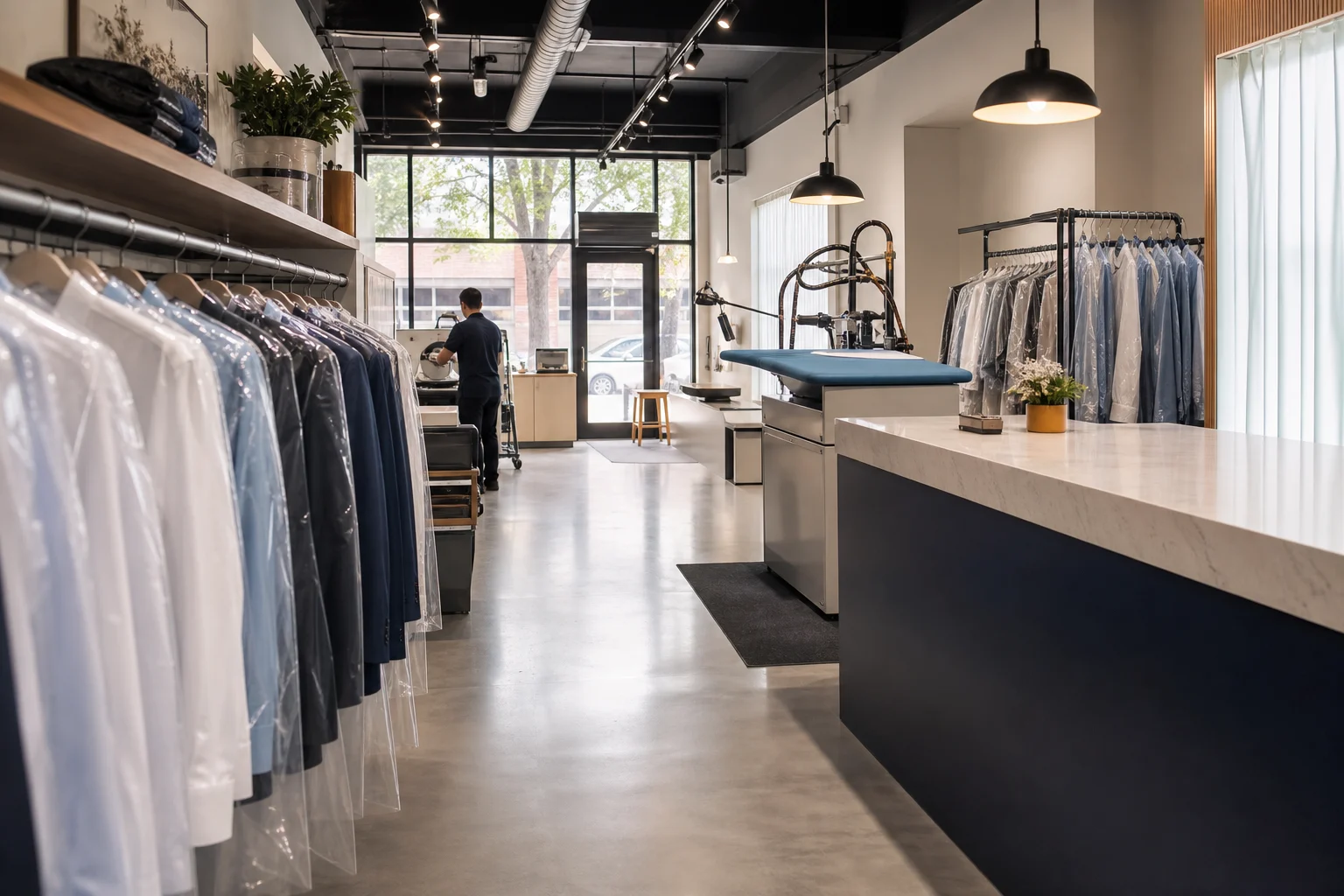
The permit stack to verify
The dry cleaner permits Denver landscape demands thorough verification of multiple compliance categories. Each category serves a distinct purpose in ensuring your business operates legally and safely. Founders should approach this systematically, checking off requirements as they progress through the setup process.
Denver's dry cleaner market shows promising conditions with medium competition density and low rent levels. According to Locavisor neighborhood scoring, the market temperature is promising with a score confidence of 78% based on a 2026-05 snapshot. This data suggests a favorable environment for new dry cleaner entrants who navigate compliance effectively.
City, state, landlord, health, fire, signage, and tax registrations
City-level requirements form the foundation of your dry cleaner permits Denver compliance. These typically include basic business registration and local operational permits specific to dry cleaning businesses. Denver's municipal code has particular requirements for commercial establishments in different neighborhoods.
State-level requirements extend beyond city regulations to cover broader environmental and safety standards. Colorado state regulations may impose specific handling requirements for chemicals used in dry cleaning processes. These state-level requirements often complement rather than duplicate city regulations.
Landlord permissions constitute an often-overlooked aspect of the dry cleaner permits Denver checklist. Before signing any lease, verify that your intended use aligns with property zoning restrictions. Some commercial leases contain clauses requiring additional landlord approval for businesses using specific equipment or chemicals.
Health department regulations address the cleanliness and safety aspects of your dry cleaning operation. These requirements typically cover facility sanitation, proper handling of garments, and customer protection standards. Health compliance ensures your business maintains clean, safe conditions for both employees and customers.
Fire safety regulations focus on preventing fire hazards associated with dry cleaning equipment and chemicals. These requirements often include proper ventilation systems, fire suppression equipment, and safe storage of flammable materials. Fire compliance is particularly important given the potential risks associated with certain dry cleaning solvents.
Signage permits regulate the visual impact of your business on the surrounding neighborhood. Denver has specific requirements for sign size, placement, and illumination. These regulations balance your business's need for visibility with neighborhood aesthetics and safety considerations.
Tax registrations ensure your business meets all state and local tax obligations. These typically include sales tax collection, business property tax, and any local taxes specific to Denver. Proper tax compliance prevents costly penalties and ensures smooth business operations.
Documents to collect before lease signing
Before committing to a commercial space, collect all necessary documentation to verify compliance requirements. This documentation forms the backbone of your dry cleaner permits Denver verification process. Gathering these documents early prevents unpleasant surprises during setup.
For LoDo (Lower Downtown), verify the area's dense office-and-tourism characteristics with Union Station, Larimer Square, and Coors Field anchoring the daytime worker population. Note the existing competition: Larimer Square Dry Cleaners (4.6★, 130 reviews) and Twentyone Zero One Cleaners (4.5★, 90 reviews) within 800m, with zero direct competitors in the immediate core.
In RiNo (River North Art District), confirm the creative-class corridor status with murals, breweries, Denver Central Market, and growing office base at INDUSTRY Denver and Fabrica coworking. Verify the zero dry cleaners within district boundaries and rent structure of roughly $30-50/sqft NNN, similar to LoDo but with slightly less foot-traffic density.
For Five Points, document the historic jazz neighborhood characteristics with Welton Street light rail, Curtis Park, and proximity to RiNo's spillover. Confirm zero dry cleaners within area boundaries and rent structure of roughly $20-35/sqft NNN, making it the most budget-friendly urban option.
What varies by dry cleaner format
Different dry cleaner formats may require additional verification steps beyond the standard dry cleaner permits Denver checklist. The specific requirements often depend on your business model, equipment, and scale of operation.
Traditional dry cleaning establishments with solvent-based processes typically face more stringent environmental and safety requirements. These businesses must verify proper chemical handling and disposal procedures. The complexity increases with larger operations handling higher volumes of garments.
Eco-friendly dry cleaners using alternative solvents or wet cleaning methods may have different compliance pathways. These businesses should verify that their chosen methods meet all safety and environmental standards. Some environmentally friendly approaches might qualify for regulatory incentives or simplified compliance processes.
Pickup and delivery services have additional considerations regarding vehicle operations and commercial driving requirements. These businesses must verify compliance with both business and transportation regulations. The mobile aspect of these services creates unique compliance challenges not faced by location-only dry cleaners.
Laundry and dry combo operations face additional health and sanitation requirements due to water usage and wastewater generation. These businesses should verify plumbing and waste disposal compliance. The combination of services often requires meeting the strictest requirements of each operation type.
FAQ
What permits do I need for A Dry Cleaner in Denver?
The dry cleaner permits Denver requirements typically include city business registration, state environmental permits, health department approvals, fire safety compliance, signage permits, and tax registrations. Specific requirements vary based on your business model, location, and scale of operations.
How long does the permit process take in Denver?
Processing times for dry cleaner permits Denver vary depending on the specific permits and the completeness of your application. Some permits may be approved quickly while others, particularly those involving environmental or safety reviews, may take longer.
Can I operate a dry cleaner from home in Denver?
Home-based dry cleaner operations face significant regulatory hurdles in Denver. Most residential zoning prohibits commercial dry cleaning activities due to chemical handling, noise, and traffic concerns. Verify local zoning regulations before considering a home-based operation.
What are the top areas for dry cleaners in Denver?
According to Locavisor neighborhood scoring, the top three areas for dry cleaners in Denver are:
- LoDo (Lower Downtown) (8.7/10)
- RiNo (River North Art District) (7.9/10)
- Five Points (7.6/10)
Each area offers distinct advantages in terms of foot traffic, competition, and rent levels.
How do I verify zoning compliance for my dry cleaner?
Before signing a lease, verify that your intended commercial space is properly zoned for dry cleaning operations. Contact Denver's planning department to confirm zoning classifications and any special requirements for your specific business type.
What should I look for in a commercial lease for a dry cleaner?
When reviewing a commercial lease for a dry cleaner, pay special attention to clauses related to business use restrictions, maintenance responsibilities, and potential additional landlord approvals for equipment or chemical storage. Verify that the lease allows for all necessary aspects of your dry cleaning operation.
How do I handle chemical disposal for my dry cleaner?
Chemical disposal requirements are a critical aspect of dry cleaner permits Denver compliance. Verify proper disposal methods for all chemicals used in your cleaning process. Improper disposal can result in significant environmental and financial penalties.
What insurance do I need for a dry cleaner in Denver?
Dry cleaner insurance typically includes general liability, property, and environmental liability coverage. Verify specific requirements with insurance providers and consider additional coverage based on your unique business risks.
How do I compete with existing dry cleaners in Denver?
To compete effectively in Denver's dry cleaner market, focus on service differentiation, customer experience, and operational efficiency. Analyze competitor strengths and weaknesses to identify opportunities for your business to stand out in the market.
What are the common mistakes new dry cleaners make in Denver?
Common mistakes include inadequate permit research, underestimating compliance requirements, poor location selection, and insufficient market research. Thorough preparation and verification of all requirements can help avoid these costly errors.
Last reviewed: 2026-05-08
Sources: U.S. Census Bureau ACS, LEHD LODES, Google Places, OpenStreetMap, Locavisor neighborhood scoring.
Methodology: Locavisor scores neighborhoods across demand, competition fit, rent fit, accessibility, and customer match. Scores reflect a snapshot of recent data and should be combined with on-the-ground research before lease decisions.
Disclaimer: This article provides informational content only and does not constitute legal, financial, accounting, or real-estate advice. Verify lease terms, licensing, local regulations, costs, and professional requirements with qualified local professionals before making business decisions.
Free preview shows top 3 neighborhoods. Full $9.99 report covers all 10 areas with personalized scoring + 90-day check-ins.
Informational only. Verify lease, licensing, local regulations, costs, and professional requirements with qualified local professionals.