Los Angeles, CA · dry cleaner
Dry cleaner permits Los Angeles
Opening a dry cleaner in Los Angeles requires navigating a complex web of permits and licenses. Understanding dry cleaner permits Los Angeles is crucial for any founder looking to enter this market. With a promising market temperature and medium competition density, Los Angeles presents an opportunity for new dry cleaning businesses, particularly in areas like Culver City, Downtown LA, and Sawtelle Japantown.
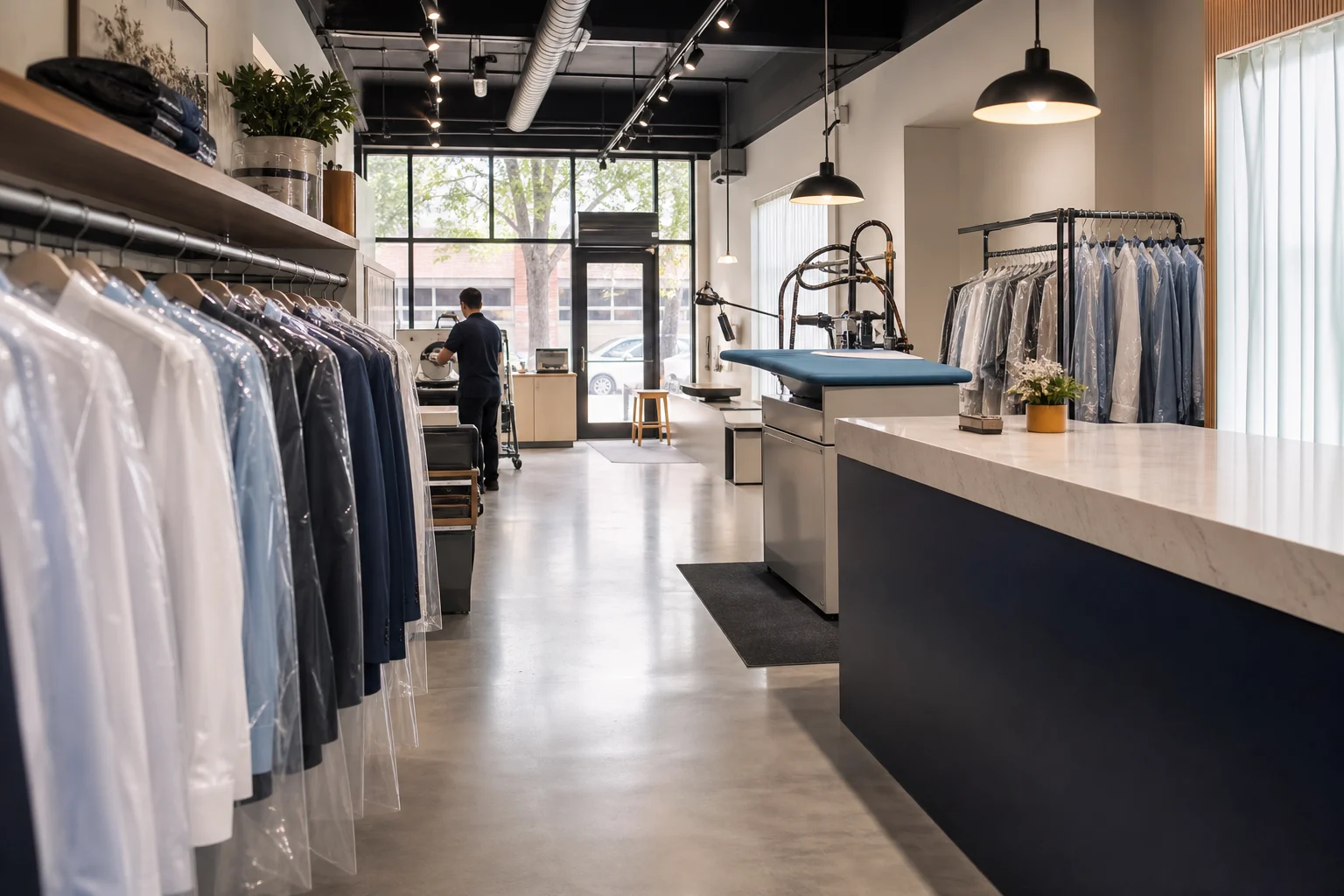
The permit stack to verify
Before signing any lease or making significant investments, founders must verify a comprehensive stack of permits and registrations. This checklist provides a framework for understanding what you'll need to research and confirm. Remember, this is a qualitative guide only—not legal advice. Each dry cleaning business will have unique requirements based on its specific location, equipment, and business model.
The permit landscape for dry cleaners in Los Angeles involves multiple layers of compliance. City regulations establish baseline requirements. State agencies oversee environmental and safety standards. Landlords may have additional restrictions. Health, fire, and building departments enforce specific operational requirements. Signage regulations affect your visibility. Tax registrations are mandatory for business operations. Professional advisors can help navigate these complex waters.
City, state, landlord, health, fire, signage, and tax registrations
City-level requirements form the foundation of your compliance framework. Los Angeles municipal regulations govern business operations, zoning, and general licensing. Verify that your intended location is properly zoned for dry cleaning operations. Some areas may have specific restrictions or additional requirements based on local ordinances.
State-level compliance focuses on environmental regulations specific to dry cleaning operations. California has particular requirements for handling solvents, wastewater, and other byproducts of the dry cleaning process. These regulations aim to protect both the environment and public health.
Landlord requirements often include additional restrictions beyond city and state regulations. Before signing a lease, confirm that the property meets all necessary operational requirements for a dry cleaning business. Some landlords may have specific provisions regarding hours of operation, customer access, or equipment placement.
Health department regulations address sanitation and customer safety. Dry cleaning facilities must maintain proper cleanliness standards and handle customer garments appropriately. These requirements ensure that your business operates safely and professionally.
Fire safety regulations are particularly important for dry cleaning businesses due to the flammable nature of some cleaning solvents and the equipment used in the process. Verify that your facility meets all fire safety requirements, including proper ventilation, fire suppression systems, and emergency exits.
Signage regulations affect how you can market your business to potential customers. Los Angeles has specific rules about sign size, placement, and illumination. Understanding these requirements helps ensure your business is visible while remaining compliant.
Tax registrations include both federal and state requirements. You'll need to register for appropriate tax IDs and understand your obligations regarding sales tax, payroll taxes, and business income taxes.
Documents to collect before lease signing
Before committing to a commercial space, gather all relevant documentation to verify compliance requirements. This due diligence process can save significant time and resources later.
Research the specific zoning designation for any property you're considering. Confirm that dry cleaning is an allowed use in that zone and whether any special permits or variances might be necessary. Check for any historical violations or outstanding issues with the property that could affect your operations.
Obtain copies of any existing environmental assessments or compliance documentation for the property. This information can help identify potential issues related to soil, water, or air quality that might affect your operations.
Review any existing certificates of occupancy for the property. These documents indicate that the building meets minimum safety and health standards. If significant renovations are planned, verify that the existing structure can accommodate your equipment and operational needs.
Check for any neighborhood-specific regulations or covenants that might affect your business operations. Some areas in Los Angeles have additional restrictions beyond citywide requirements.
What varies by dry cleaner format
The specific permits and requirements for your dry cleaning business will vary based on your operational format. Traditional dry cleaning facilities with on-site solvent handling have different requirements than drop-off locations that outsource cleaning to off-site facilities.
Facilities that perform dry cleaning on-site must comply with stricter environmental regulations due to the handling of solvents and other chemicals. These businesses typically require more extensive ventilation systems and specialized waste handling procedures.
Drop-off-only locations generally have fewer regulatory requirements since they don't handle the actual cleaning process. However, they still need to comply with basic business licensing, signage regulations, and customer service standards.
Mobile dry cleaning services face unique challenges related to vehicle equipment, fuel storage, and operation from different locations. These businesses must verify compliance requirements for each area they serve.
Regardless of format, all dry cleaning businesses must maintain proper insurance coverage and keep appropriate records of customer transactions and garment handling procedures.
FAQ
What permits do I need for A Dry Cleaner in Los Angeles?
You'll need to verify requirements across multiple categories: city business licenses, state environmental compliance, landlord approvals, health department regulations, fire safety standards, signage permits, and tax registrations. The specific requirements depend on your location, business format, and equipment.
How do I know if a location is suitable for a dry cleaner?
Verify zoning regulations, environmental conditions, building code compliance, and neighborhood-specific requirements. Consider factors like proximity to your target customers, visibility, accessibility, and competition in the area.
What are the best areas in Los Angeles for a dry cleaning business?
Based on Locavisor neighborhood scoring, Culver City (8.0/10) offers strong office density and transit access with limited competition. Downtown LA (8.0/10) has high daytime population density but more existing dry cleaners. Sawtelle Japantown (7.9/10) features a dense retail corridor with quality gaps in existing services.
How does competition affect permit requirements?
Competition density doesn't directly affect permit requirements, but it does influence market positioning. Areas with medium competition density like Los Angeles generally have established regulatory frameworks that new businesses must follow.
What should I look for in a commercial lease for a dry cleaner?
Verify that the property meets all operational requirements, including zoning, environmental conditions, and building specifications. Check for any restrictions on hours, equipment, or customer access that might affect your business operations.
How do environmental regulations affect dry cleaner permits?
Environmental regulations govern the handling and disposal of solvents, wastewater, and other byproducts of the dry cleaning process. These requirements vary based on the specific chemicals and equipment used in your operations.
Do I need special insurance for a dry cleaning business?
Yes, dry cleaning businesses typically need specialized insurance coverage that includes general liability, property insurance, and environmental liability coverage specific to the chemicals and processes used.
How long does it take to obtain all necessary permits?
Processing times vary depending on the specific permits and local requirements. Some registrations may be completed quickly, while others might require inspections and additional documentation.
Can I operate a dry cleaner from home in Los Angeles?
Home-based dry cleaning businesses face additional restrictions related to residential zoning, neighborhood impacts, and environmental regulations. Most areas prohibit commercial dry cleaning operations in residential zones.
What records should I keep for compliance purposes?
Maintain records of all permits and licenses, customer transactions, garment handling procedures, waste disposal documentation, and employee training materials. These documents may be required during inspections or audits.
Last reviewed: 2026-05-08
Sources: U.S. Census Bureau ACS, LEHD LODES, Google Places, OpenStreetMap, Locavisor neighborhood scoring.
Methodology: Locavisor scores neighborhoods across demand, competition fit, rent fit, accessibility, and customer match. Scores reflect a snapshot of recent data and should be combined with on-the-ground research before lease decisions.
Disclaimer: This article provides informational content only and does not constitute legal, financial, accounting, or real-estate advice. Verify lease terms, licensing, local regulations, costs, and professional requirements with qualified local professionals before making business decisions.
Free preview shows top 3 neighborhoods. Full $9.99 report covers all 10 areas with personalized scoring + 90-day check-ins.
Informational only. Verify lease, licensing, local regulations, costs, and professional requirements with qualified local professionals.