Miami, FL · dry cleaner
Dry cleaner permits Miami
Opening a dry cleaner in Miami requires navigating a complex landscape of permits and licenses. Understanding the dry cleaner permits Miami requires is essential for any founder looking to establish a successful business in this competitive market. The process involves multiple layers of compliance at the city, state, and local levels, each with its own requirements and verification steps.
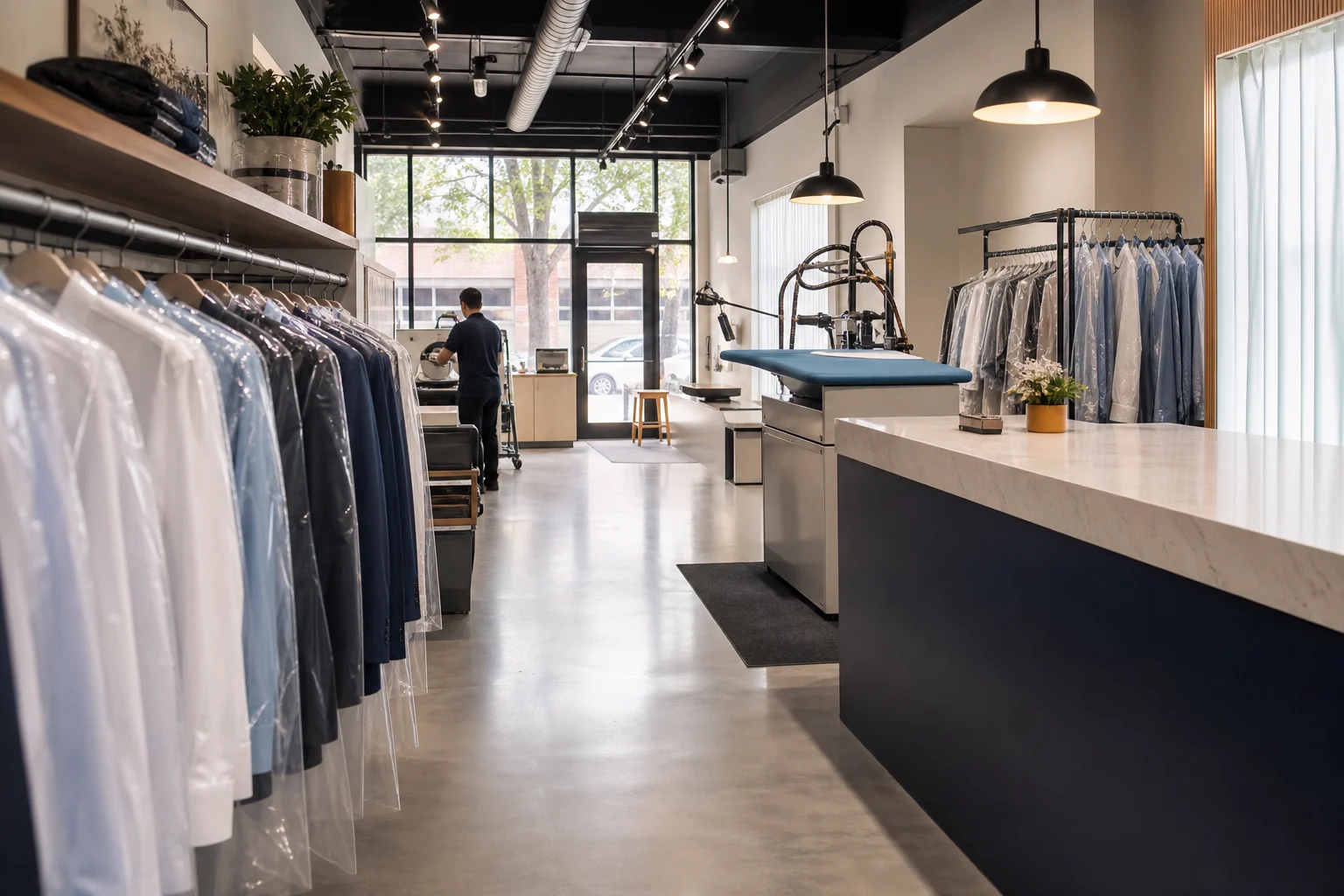
The permit stack to verify
Before signing any lease or committing to a location, founders must verify the complete permit stack required for a dry cleaning operation in Miami. This verification process involves checking city regulations, state requirements, landlord permissions, health and safety standards, fire safety protocols, signage regulations, and tax registrations. Each category contains specific requirements that must be addressed before opening your doors to customers.
Failure to properly verify these permits can result in costly delays, fines, or even the inability to operate your business. The dry cleaner license requirements Miami imposes are designed to protect public health and safety while ensuring businesses operate within established guidelines. Founders should approach this process systematically, checking each category thoroughly before moving forward with their business plans.
City, state, landlord, health, fire, signage, and tax registrations
City-level requirements for dry cleaners in Miami typically include business registration and zoning compliance. Before opening, founders must verify that their chosen location is properly zoned for dry cleaning operations and obtain any necessary city permits. This process often involves submitting applications and undergoing inspections to ensure compliance with local ordinances.
State-level requirements for dry cleaners in Florida include environmental regulations related to the handling of cleaning solvents and chemicals. These regulations are designed to protect both the environment and public health. Founders must verify compliance with state standards for chemical storage, handling, and disposal.
Landlord requirements often include approval for the specific use of the space and may involve modifications to the property. Before signing a lease, founders should ensure the landlord approves the dry cleaning operation and understands any necessary build-out requirements. This approval should be documented in the lease agreement to prevent future disputes.
Health and safety requirements focus on protecting both employees and customers. These standards address ventilation, chemical handling, and workplace safety. Founders must verify that their proposed location meets all health and safety standards before opening.
Fire safety requirements ensure that the business can be safely operated and evacuated in case of emergency. These standards often include specific requirements for equipment placement, storage of flammable materials, and emergency exits. Founders must verify compliance with all fire safety regulations.
Signage regulations control the size, placement, and illumination of business signs. These rules are designed to maintain the aesthetic quality of commercial areas while allowing businesses to attract customers. Founders should verify the signage requirements for their specific location before designing signs.
Tax registrations include obtaining the necessary federal and state tax IDs and understanding sales tax obligations. Founders must verify all tax requirements before opening to ensure compliance with tax laws.
Documents to collect before lease signing
Before committing to a lease, founders should collect several key documents to verify compliance requirements. These documents include zoning verification from the city, environmental compliance guidelines from the state, and any existing permits for the property. Additionally, founders should obtain copies of any previous inspection reports for the space.
It's also important to gather information about the specific requirements for dry cleaning operations in Miami. This includes understanding the health and safety standards, fire safety requirements, and signage regulations that apply to the business. Founders should request this information from relevant city and state agencies before signing any lease agreements.
Collecting these documents upfront can save time and prevent costly delays later in the process. By thoroughly researching and verifying all requirements before signing a lease, founders can ensure a smoother path to opening their dry cleaning business.
What varies by dry cleaner format
The specific requirements for dry cleaner permits in Miami can vary depending on the format and scale of the operation. Small neighborhood dry cleaners may have different requirements than larger commercial operations or those offering specialized services like leather cleaning or alterations.
Based on Locavisor neighborhood scoring data, the top three areas for dry cleaners in Miami are:
MiMo / Upper Eastside (6.3/10) — MiMo's Biscayne Blvd corridor offers strong residential density and office-worker lunch traffic with moderate rent (~$45-70/sqft NNN). Two nearby dry cleaners — Dry Cleaners Unlimited Inc (no rating data) and A Cleaner World Dry Cleaners (4.2★, 21 reviews) — are present but neither dominates. Walkable, transit-served, with good parking access.
Kendall / Pinecrest (5.9/10) — Kendall/Pinecrest near Dadeland Mall scores high on demand (7.2) and customerMatch (7.1) — strong office-worker density, above-average affluence, and excellent transit via Metrorail. But rent proxy is maxed out: expect roughly $90-140/sqft NNN, which is trophy-tier pricing. No direct dry-cleaner competitors found in the data, which is unusual for this density — either a gap or a data miss.
Brickell (5.4/10) — Brickell is Miami's financial core — dense daytime population, strong office presence, above-average affluence, and excellent transit. But rent is at the trophy tier ($90-140/sqft NNN) and there are already 4 dry cleaners within 800m, including Brickell Cleaners (2.7★, 107 reviews) and OXXO Care Cleaners (3.8★, 177 reviews).
Each of these areas presents different opportunities and challenges for dry cleaner operators. MiMo / Upper Eastside offers moderate rent with existing competition but no dominant player. Kendall / Pinecrest has high demand but trophy-tier pricing and potentially unmet demand. Brickell has high rent and significant competition but benefits from a dense daytime population.
Founders should consider these factors when choosing a location and verifying the specific permit requirements for that area. The market temperature is mixed, with medium competition density and medium-high rent levels across these top locations.
FAQ
What permits do I need for A Dry Cleaner in Miami?
The permits required for a dry cleaner in Miami typically include city business registration, state environmental compliance, health and safety certifications, fire safety approvals, and signage permits. Additionally, you'll need to verify zoning compliance and obtain any necessary landlord approvals for the specific use of the space.
How long does it take to obtain all the necessary permits?
The timeline for obtaining permits can vary significantly depending on the specific requirements and the efficiency of the reviewing agencies. Founders should begin the permit verification process as early as possible to avoid delays in opening their business.
Are there special requirements for handling dry cleaning chemicals?
Yes, there are specific requirements for handling, storing, and disposing of dry cleaning chemicals to protect both the environment and public health. These requirements are typically enforced at the state level and must be verified before opening.
Do I need special ventilation for my dry cleaning facility?
Most dry cleaning facilities require specific ventilation systems to ensure air quality and safety. These requirements are typically part of the health and safety standards that must be verified before opening.
Can I operate a dry cleaner from a home-based location?
Home-based dry cleaning operations may be subject to additional restrictions and requirements. Founders should verify zoning regulations and any specific requirements for home-based businesses before proceeding.
What happens if I don't obtain all the necessary permits?
Operating without the proper permits can result in fines, legal action, and the potential closure of your business. It's essential to verify all requirements before opening to ensure compliance with local, state, and federal regulations.
How often do I need to renew my permits?
Permit renewal requirements vary depending on the type of permit and the regulating agency. Founders should be aware of renewal deadlines and requirements to maintain continuous compliance.
Last reviewed: 2026-05-08
Sources: U.S. Census Bureau ACS, LEHD LODES, Google Places, OpenStreetMap, Locavisor neighborhood scoring.
Methodology: Locavisor scores neighborhoods across demand, competition fit, rent fit, accessibility, and customer match. Scores reflect a snapshot of recent data and should be combined with on-the-ground research before lease decisions.
Disclaimer: This article provides informational content only and does not constitute legal, financial, accounting, or real-estate advice. Verify lease terms, licensing, local regulations, costs, and professional requirements with qualified local professionals before making business decisions.
Free preview shows top 3 neighborhoods. Full $9.99 report covers all 10 areas with personalized scoring + 90-day check-ins.
Informational only. Verify lease, licensing, local regulations, costs, and professional requirements with qualified local professionals.