New Orleans, LA · dry cleaner
Dry cleaner permits New Orleans
Opening a dry cleaner in New Orleans requires navigating a complex web of permits and licenses. The dry cleaner permits New Orleans process involves multiple layers of compliance at city, state, and local levels. Before signing any lease or investing in equipment, founders must understand the regulatory landscape to avoid costly delays and compliance issues.
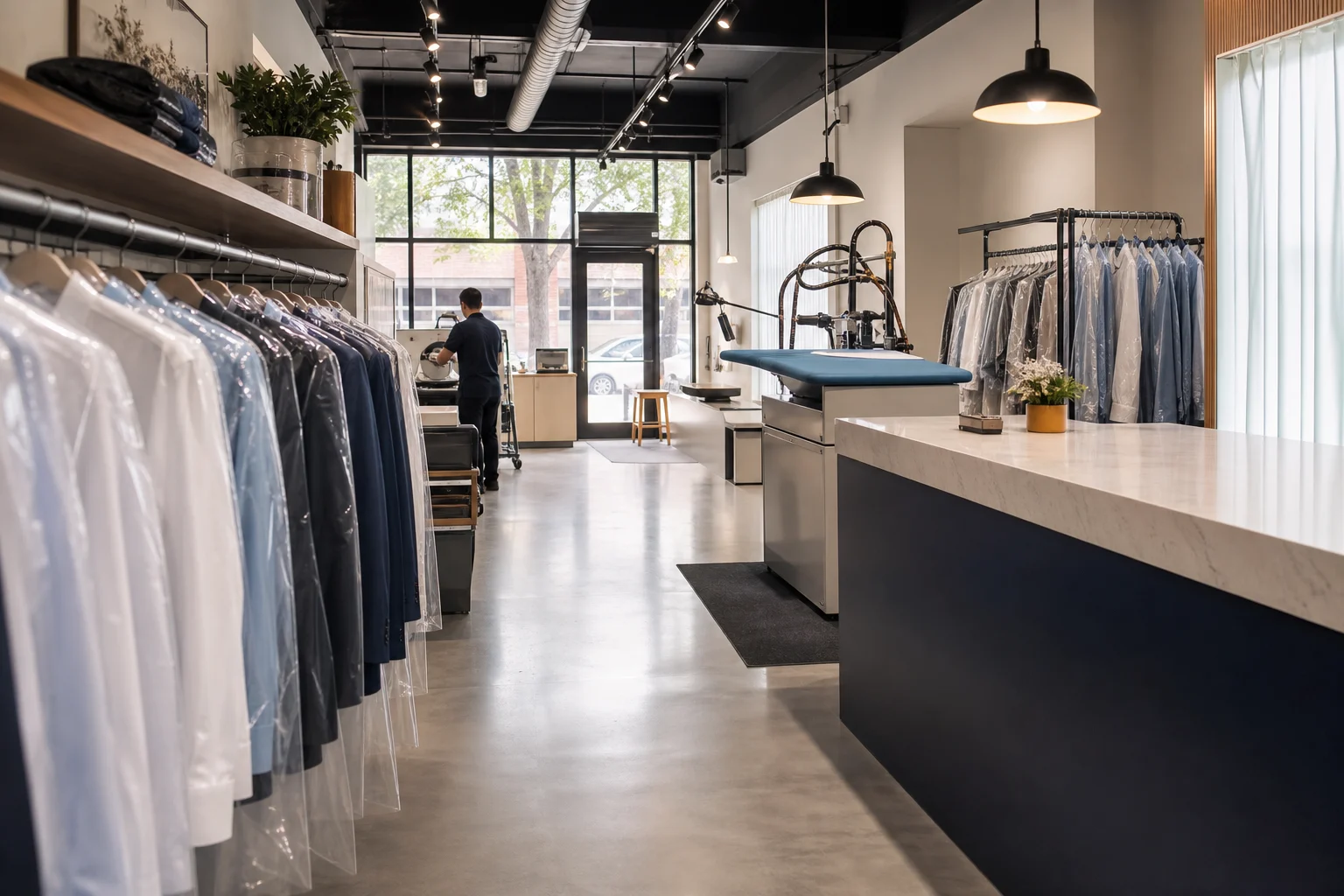
The permit stack to verify
Starting a dry cleaner in New Orleans means verifying a comprehensive stack of permits and licenses. This includes city business registrations, state environmental compliance, landlord approvals, health department certifications, fire safety inspections, signage permits, and tax registrations. Each category has specific requirements that vary by location and business model.
Locavisor neighborhood scoring identifies Lakeview (5.3/10) as the top-ranked area for a dry cleaner in New Orleans. Lakeview is the only one with an existing dry cleaner on the ground (Young's Dry Cleaning, 4.5★, 270 reviews). The area has strong residential density and above-average office presence, providing a solid base of weekday drop-off customers. However, rent is at the ceiling, roughly $90-140/sqft NNN, which is trophy-tier for this market.
The French Quarter (4.9/10) presents an interesting case with zero dry cleaners despite massive daytime population density and tourist foot traffic. This isn't an opportunity—it's a signal that the business model doesn't fit here. Tourists don't typically drop off shirts, and the residential base skews low-affluence. Rent is near-trophy tier (~$90-140/sqft NNN).
CBD / Warehouse District (4.9/10) has strong daytime office-worker density and zero dry-cleaner competitors. The rent is punishing (trophy-tier, roughly $90-140/sqft NNN) and resident affluence is low. The office index is solid, meaning weekday lunch-hour drop-off from professionals is plausible. Market temperature is weak with medium competition density.
City, state, landlord, health, fire, signage, and tax registrations
City business registration is the first step for any dry cleaner in New Orleans. This establishes your legal right to operate within city limits. The process typically requires proof of business name registration and may involve zoning verification to ensure your location is properly zoned for dry cleaning operations.
State environmental compliance is particularly important for dry cleaners due to the chemicals involved in cleaning processes. Louisiana has specific regulations regarding chemical storage, waste disposal, and air quality standards. These regulations are designed to protect both the environment and public health.
Landlord approvals often go beyond basic lease terms. Many property owners in high-rent areas like Lakeview, French Quarter, and CBD / Warehouse District have additional requirements for businesses handling potentially hazardous materials. These may include specific construction standards, insurance requirements, or operational restrictions.
Health department certifications ensure your facility meets sanitation standards. This includes proper ventilation, chemical handling procedures, and employee safety protocols. Inspectors will verify that all equipment is properly maintained and that your facility doesn't pose health risks to customers or employees.
Fire safety inspections focus on preventing fires and ensuring safe evacuation routes. Dry cleaning facilities often have special requirements due to the flammable nature of some cleaning solvents. This may include specific fire suppression systems, proper storage of flammable materials, and clearly marked emergency exits.
Signage permits regulate the size, placement, and illumination of business signs. In historic districts like the French Quarter, additional restrictions may apply to maintain the area's architectural character. These permits ensure your signage doesn't create safety hazards or detract from the neighborhood's aesthetic.
Tax registrations include federal, state, and local tax obligations. This covers sales tax collection, payroll taxes, and any local business taxes specific to New Orleans. Proper registration ensures you can legally collect and remit taxes to the appropriate authorities.
Documents to collect before lease signing
Before committing to a commercial lease in New Orleans, gather all necessary documentation to streamline the permitting process. This includes zoning verification confirming your intended use is permitted at the location. In areas like Lakeview with existing dry cleaners, this verification is typically straightforward, but in areas like the French Quarter with no existing dry cleaners, additional scrutiny may apply.
Environmental impact assessments may be required depending on your location and the specific chemicals you plan to use. These assessments evaluate potential environmental risks and mitigation strategies. In high-rent areas with trophy-tier commercial space, landlords may already have baseline environmental studies available.
Building code compliance documents verify that your planned renovations or installations meet current safety standards. This is particularly important for dry cleaners due to specialized equipment requirements. In older buildings common in New Orleans, modifications may be needed to accommodate modern dry cleaning equipment safely.
Insurance requirements should be clearly outlined in your lease agreement. Landlords in premium locations often require specific coverage levels beyond standard business insurance. These may include environmental liability insurance due to the nature of dry cleaning chemicals.
Professional service agreements with contractors who understand dry cleaning facility requirements can prevent costly mistakes during build-out. These specialists ensure your facility meets all regulatory standards before you begin operations.
What varies by dry cleaner format
Different dry cleaner formats require different permit approaches. Traditional dry cleaning facilities using chemical solvents face more stringent environmental regulations than newer eco-friendly options. In high-rent markets like New Orleans, positioning as an eco-friendly cleaner with a small footprint may be advantageous, as suggested for Lakeview.
Alteration-focused dry cleaners may have different equipment and space requirements than traditional cleaning operations. This format shift can impact both initial permitting requirements and ongoing compliance obligations. The Lakeview area's proven demand suggests an alterations-first approach could be particularly effective.
Mobile dry cleaning services have different permitting requirements than brick-and-mortar locations. These include vehicle-specific permits and potentially different zoning considerations. However, the data suggests physical locations in New Orleans' top areas may be more viable due to the established customer base.
Laundry and dry cleaning combinations face additional health and sanitation requirements. These hybrid models must comply with regulations for both types of businesses, potentially increasing the complexity of the permitting process.
FAQ
What permits do I need for A Dry Cleaner in New Orleans?
The exact permits required for a dry cleaner in New Orleans depend on your specific location, business model, and scale of operations. Generally, you'll need city business registration, state environmental compliance, landlord approvals, health department certifications, fire safety inspections, signage permits, and tax registrations. The permitting process varies by neighborhood, with Lakeview being the most established area for dry cleaning businesses in New Orleans.
How long does the permitting process take in New Orleans?
The timeline for obtaining all necessary permits varies based on the specific requirements of your location and the completeness of your application. Some permits may be issued quickly, while others, particularly environmental and health-related permits, may require additional time for review and inspection.
Can I operate a dry cleaner from home in New Orleans?
Home-based dry cleaning operations face additional zoning and regulatory considerations. Most residential areas in New Orleans are not zoned for commercial dry cleaning operations due to environmental and safety concerns. Additionally, trophy-tier rent areas like Lakeview, French Quarter, and CBD / Warehouse District are commercial zones, not residential.
What are the most common reasons for permit denials?
Common reasons for permit denials include zoning restrictions, failure to meet environmental standards, inadequate fire safety measures, and insufficient documentation. In areas like the French Quarter with no existing dry cleaners, additional scrutiny may apply due to the unique characteristics of the neighborhood.
How much should I budget for permits and licenses?
Permit and licensing costs vary based on your location, business size, and specific requirements. In high-rent markets like New Orleans, particularly in trophy-tier areas, regulatory compliance costs may be higher due to more stringent requirements.
Do I need special training or certification to operate a dry cleaner?
While specific training requirements vary by location, most dry cleaning operators need to understand proper chemical handling, equipment maintenance, and safety procedures. Some jurisdictions may require certification for certain aspects of dry cleaning operations.
How do I stay compliant with changing regulations?
Regular consultation with local regulatory agencies and industry associations helps ensure ongoing compliance. Staying informed about changes to environmental, health, and safety regulations specific to dry cleaning operations is essential for maintaining your permits and licenses.
Last reviewed: 2026-05-08
Sources: U.S. Census Bureau ACS, LEHD LODES, Google Places, OpenStreetMap, Locavisor neighborhood scoring.
Methodology: Locavisor scores neighborhoods across demand, competition fit, rent fit, accessibility, and customer match. Scores reflect a snapshot of recent data and should be combined with on-the-ground research before lease decisions.
Disclaimer: This article provides informational content only and does not constitute legal, financial, accounting, or real-estate advice. Verify lease terms, licensing, local regulations, costs, and professional requirements with qualified local professionals before making business decisions.
Free preview shows top 3 neighborhoods. Full $9.99 report covers all 10 areas with personalized scoring + 90-day check-ins.
Informational only. Verify lease, licensing, local regulations, costs, and professional requirements with qualified local professionals.