New York, NY · dry cleaner
Dry cleaner permits New York
Opening a dry cleaner in New York requires navigating a complex web of permits and licenses. Understanding dry cleaner permits New York is crucial for any entrepreneur looking to enter this competitive market. The right permits ensure compliance with local regulations while protecting your business from potential legal issues.
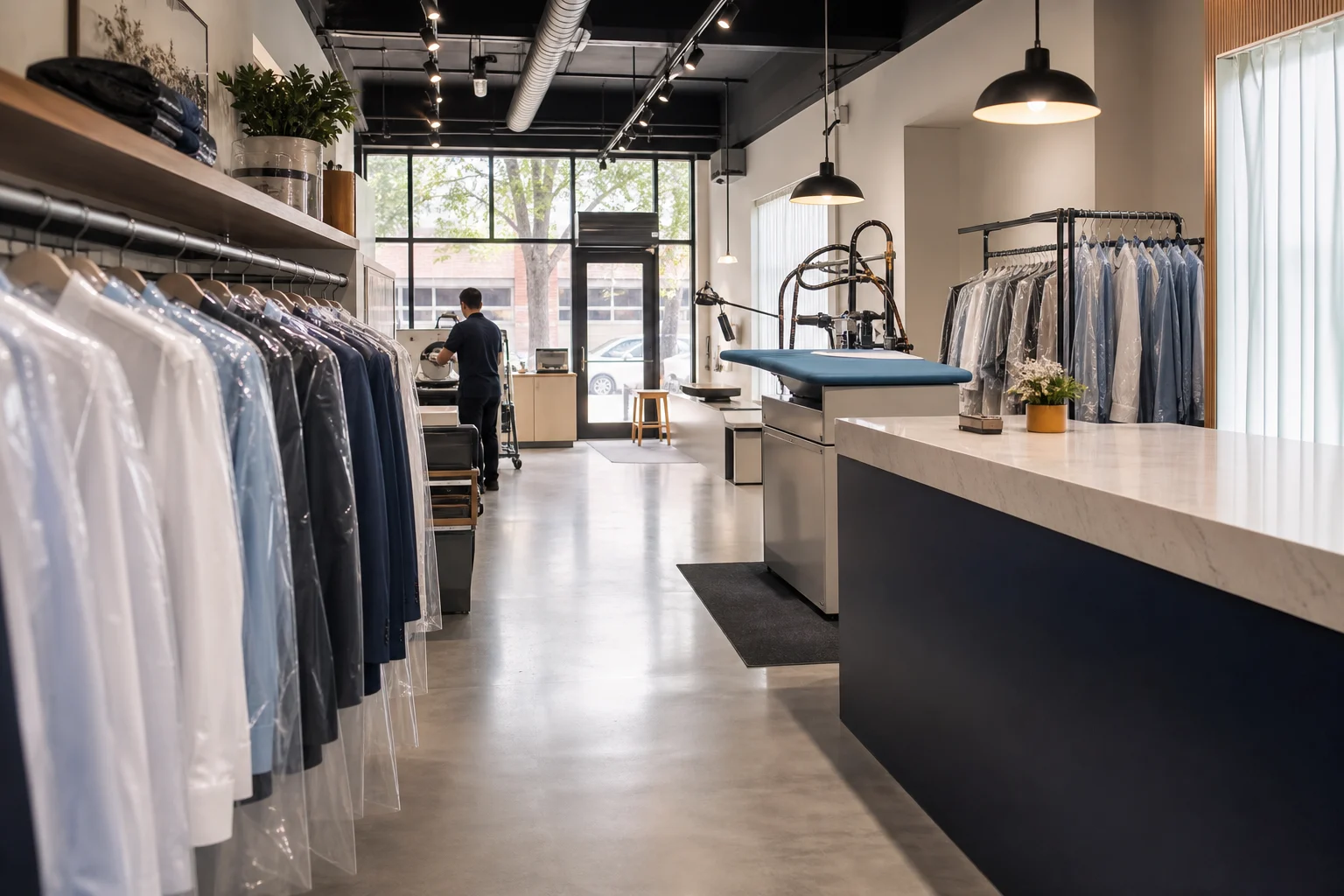
The permit stack to verify
Before launching your dry cleaning business in New York, you'll need to verify several categories of permits and licenses. These requirements vary by location, business format, and specific services offered. The process involves multiple layers of approval from city, state, and sometimes federal authorities.
New York's dry cleaner license requirements New York encompass both basic business registrations and specialized environmental permits due to the chemicals involved in dry cleaning operations. The city's dense population and strict environmental regulations make thorough permit research essential before investing in a location.
City, state, landlord, health, fire, signage, and tax registrations
Your dry cleaning business will require permits from multiple government entities. At the city level, you'll need general business registration and potentially zoning clearance to ensure your location is appropriate for a dry cleaning operation. New York City has specific zoning requirements that may impact where you can establish your business.
State-level permits focus on environmental compliance due to the solvents and chemicals used in dry cleaning. New York State regulates these substances to protect both the environment and public health. Your business will need to demonstrate proper handling, storage, and disposal of these materials.
Landlord approvals are often overlooked but critical. Before signing a lease, ensure your property allows for dry cleaning operations and has the necessary infrastructure for ventilation, plumbing, and waste disposal. Some commercial leases have restrictions on businesses using certain chemicals.
Health permits address the cleanliness and safety of your facility for both employees and customers. Fire safety permits ensure your business meets evacuation and fire prevention standards. Signage permits regulate the size, placement, and illumination of your business signs.
Tax registrations include your employer identification number, sales tax permit, and potentially other business-specific taxes. These registrations are essential for legal operation and proper tax reporting.
Documents to collect before lease signing
Before committing to a commercial space, gather documentation that will streamline your permit application process. This includes property zoning verification, building code compliance certificates, and environmental impact assessments if applicable.
Research the specific neighborhood's requirements. Battery Park / Financial District (7.4/10) offers high demand but trophy-tier rent ($90-140/sqft NNN) and limited parking access. Murray Hill (7.2/10) provides a balance of residential and office density with premium rent ($65-95/sqft NNN). Tribeca (7.0/10) has ultra-wealthy residents but intense competition with 13+ dry cleaners within 800m.
Verify that your chosen location has adequate utilities and infrastructure to support dry cleaning operations. This includes water supply, drainage systems, and proper ventilation. Some older buildings may require significant modifications to meet current standards.
What varies by dry cleaner format
Different dry cleaning business models have varying permit requirements. A small neighborhood drop-off location may have different needs than a full-service facility with on-site cleaning equipment. Consider the scope of your operations when researching permits.
Environmental regulations are particularly stringent for facilities that perform actual dry cleaning on-site rather than just accepting and delivering garments. The chemicals used in the dry cleaning process require specialized handling and disposal procedures.
The size of your operation also impacts permit requirements. Larger facilities may need additional safety measures, more extensive environmental compliance documentation, and potentially more frequent inspections. Smaller operations may qualify for simplified permitting processes in some cases.
FAQ
What permits do I need for A Dry Cleaner in New York?
You'll need a combination of city business registration, state environmental permits, health and fire safety clearances, and tax registrations. The specific requirements depend on your location, business size, and whether you perform dry cleaning on-site or just offer drop-off services. Battery Park / Financial District (7.4/10), Murray Hill (7.2/10), and Tribeca (7.0/10) each have their own local requirements that should be researched thoroughly before committing to a location.
How do I know if a location is suitable for a dry cleaner?
Consider zoning regulations, infrastructure requirements, and competition in the area. Battery Park / Financial District (7.4/10) has high demand but limited parking, while Tribeca (7.0/10) has intense competition with 13+ dry cleaners within 800m. Murray Hill (7.2/10) offers a balance of residential and office density.
Can I operate without all permits?
Operating without the required permits can result in fines, legal action, and forced closure of your business. It's essential to complete all necessary permit applications before opening your doors to customers.
Do I need special insurance for my dry cleaning business?
Insurance requirements vary by location and business type. You'll likely need general liability insurance, and possibly additional coverage for environmental liability due to the chemicals used in dry cleaning operations.
How do I research neighborhood-specific requirements?
Each neighborhood has unique characteristics that affect permit requirements. Battery Park / Financial District (7.4/10) has Wall St office density maxed out and city-leading affluence. Murray Hill (7.2/10) blends dense residential with midtown-adjacent office density. Tribeca (7.0/10) is an ultra-wealthy residential enclave with strong office overlap and tourist traffic.
Last reviewed: 2026-05-08
Sources: U.S. Census Bureau ACS, LEHD LODES, Google Places, OpenStreetMap, Locavisor neighborhood scoring.
Methodology: Locavisor scores neighborhoods across demand, competition fit, rent fit, accessibility, and customer match. Scores reflect a snapshot of recent data and should be combined with on-the-ground research before lease decisions.
Disclaimer: This article provides informational content only and does not constitute legal, financial, accounting, or real-estate advice. Verify lease terms, licensing, local regulations, costs, and professional requirements with qualified local professionals before making business decisions.
Free preview shows top 3 neighborhoods. Full $9.99 report covers all 10 areas with personalized scoring + 90-day check-ins.
Informational only. Verify lease, licensing, local regulations, costs, and professional requirements with qualified local professionals.