Philadelphia, PA · dry cleaner
Dry cleaner permits Philadelphia
Opening a dry cleaner in Philadelphia requires navigating a complex web of permits and licenses. Understanding the dry cleaner permits Philadelphia requires is crucial for any founder looking to enter this competitive market. With mixed market temperature, medium competition density, and high rent levels, proper compliance can make or break your business venture.
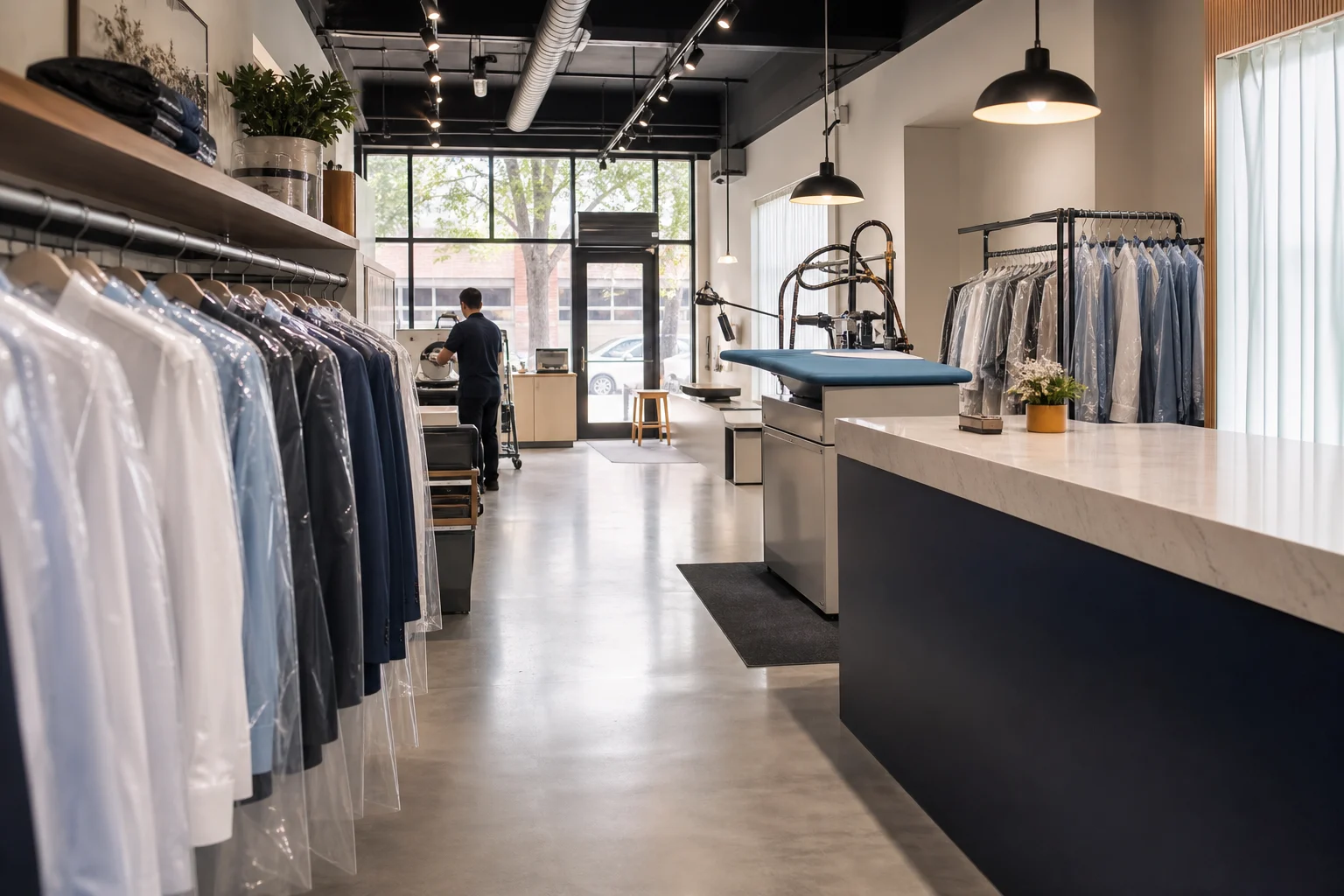
The permit stack to verify
Before signing any lease or investing in equipment, founders must verify the complete permit stack required for a dry cleaner in Philadelphia. This process involves multiple layers of authorization from different entities. Each permit serves a specific purpose in ensuring your business operates legally, safely, and in compliance with local regulations.
The verification process should begin early in your planning phase. Missing even one required permit can lead to costly delays, fines, or forced closure. Philadelphia's regulatory environment for dry cleaners includes both standard business requirements and specialized considerations specific to the industry.
City, state, landlord, health, fire, signage, and tax registrations
City-level permits form the foundation of your dry cleaner's legal operation. These typically include a general business license and potentially specialized permits for commercial laundry operations. Philadelphia may have additional requirements based on your specific location within the city.
State-level requirements often include registration with the Pennsylvania Department of State and potentially environmental permits related to solvent handling and waste disposal. These state-level requirements complement your city permits and ensure compliance with broader regulations.
Landlord permissions are frequently overlooked but essential. Your lease must explicitly allow for a dry cleaning operation, which may involve special equipment, ventilation systems, or hazardous materials storage. Without proper landlord authorization, you could face eviction even with all other permits in place.
Health permits address the sanitation aspects of your dry cleaning operation. These ensure your facility meets standards for cleanliness, proper handling of garments, and customer safety. Philadelphia's health department will inspect your premises before granting these permits.
Fire safety permits are particularly important for dry cleaners due to the flammable nature of some cleaning solvents. Your facility must meet fire code requirements, including proper storage of chemicals, adequate ventilation, and appropriate fire suppression systems.
Signage regulations in Philadelphia dictate where and how you can display your business name and logo. These rules affect both exterior and interior signage, with specific requirements for size, placement, and illumination.
Tax registrations include obtaining a Philadelphia Business Privilege License and registering for state sales tax. These financial obligations must be addressed alongside your operational permits.
Documents to collect before lease signing
Before committing to a commercial space, collect critical documentation that affects your permit eligibility. Verify the property's zoning classification to confirm it permits dry cleaning operations. Philadelphia's zoning code may have specific requirements or restrictions for this type of business.
Obtain the property's Certificate of Occupancy, which confirms the building meets basic safety and structural standards. This document is often required before other permits can be issued. Review any existing environmental reports that might affect your ability to operate a dry cleaner, particularly regarding soil or water quality.
Your lease agreement should explicitly address your right to install dry cleaning equipment and store necessary chemicals. Without these provisions, you may face significant obstacles during the permitting process. Consider including clauses that specify landlord cooperation with inspections and regulatory requirements.
What varies by dry cleaner format
The specific permits required may vary depending on your dry cleaner's format. Traditional dry cleaners with solvent-based cleaning face different requirements than those using wet cleaning or specialized garment care services. Your business model directly impacts the regulatory landscape you'll navigate.
Location-specific factors also influence your permit requirements. The three top areas for dry cleaners in Philadelphia each present unique considerations:
Rittenhouse Square (6.5/10) — Philadelphia's premier luxury corridor with high-income residents, dense office towers, and tourist foot traffic. This area has 15+ existing dry cleaners within a half-mile, creating a saturated market where differentiation is essential. Rent levels are high at roughly $90-140/sqft NNN.
University City (6.4/10) — Combines Penn/Drexel students, faculty, and young professionals with strong daytime population density. Rent is more manageable at roughly $65-95/sqft NNN. Only 3 direct competitors are nearby, with Top Notch Cleaners (4.7★, 209 reviews) as the dominant player.
Fairmount / Art Museum Area (6.2/10) — Offers a dense mix of upscale residential, office workers, and tourist traffic near the Philadelphia Museum of Art. Rent is premium at roughly $65-95/sqft NNN. The area has 7 dry cleaners within a half-mile, with many having modest review counts and limited hours. Fairmount Cleaners (4.5★, 60 reviews) closes Wednesdays, indicating a potential service gap.
Each of these locations presents different competitive dynamics and regulatory considerations that should inform your permit strategy.
FAQ
What permits do I need for A Dry Cleaner in Philadelphia?
You'll need a combination of city business licenses, state registrations, and specialized permits for dry cleaning operations. The exact requirements depend on your specific location, business model, and facility characteristics. Key areas to address include general business licensing, health and safety permits, fire safety compliance, and signage regulations.
How long does the permit process take in Philadelphia?
The timeline for obtaining all necessary permits varies based on the specific requirements and your application's completeness. Some permits may be issued quickly, while others, particularly those involving inspections or specialized approvals, may take longer to process.
Can I operate a dry cleaner from a residential property in Philadelphia?
Generally, Philadelphia prohibits commercial dry cleaning operations in residential zones. You'll need to locate your business in a commercially zoned area that permits this type of operation. Zoning verification should be one of your first steps in the site selection process.
What are the most common reasons for permit denial for dry cleaners?
Common reasons for denial include zoning restrictions, inadequate ventilation systems, improper chemical storage, failure to meet fire safety requirements, and insufficient health and sanitation measures. Addressing these areas thoroughly during your planning process can help prevent denial.
Do I need special environmental permits for my dry cleaner?
Dry cleaners using certain chemicals may require environmental permits related to solvent handling and waste disposal. The specific requirements depend on the chemicals you use and the volume of your operations. Environmental compliance is an important aspect of your overall permit strategy.
How often do dry cleaner permits need to be renewed in Philadelphia?
Permit renewal requirements vary by type. Some may need annual renewal, while others may have longer validity periods. Maintaining compliance with all regulations is essential for smooth renewal processes.
Should I hire a professional to help with the permitting process?
Given the complexity of dry cleaner regulations, many founders benefit from professional assistance. Consultants familiar with Philadelphia's requirements can help identify necessary permits, prepare applications, and navigate inspections, potentially saving time and preventing costly mistakes.
Last reviewed: 2026-05-08
Sources: U.S. Census Bureau ACS, LEHD LODES, Google Places, OpenStreetMap, Locavisor neighborhood scoring.
Methodology: Locavisor scores neighborhoods across demand, competition fit, rent fit, accessibility, and customer match. Scores reflect a snapshot of recent data and should be combined with on-the-ground research before lease decisions.
Disclaimer: This article provides informational content only and does not constitute legal, financial, accounting, or real-estate advice. Verify lease terms, licensing, local regulations, costs, and professional requirements with qualified local professionals before making business decisions.
Free preview shows top 3 neighborhoods. Full $9.99 report covers all 10 areas with personalized scoring + 90-day check-ins.
Informational only. Verify lease, licensing, local regulations, costs, and professional requirements with qualified local professionals.