San Diego, CA · dry cleaner
Dry cleaner permits San Diego
Opening a dry cleaner in San Diego requires navigating a complex web of permits and licenses. Before you invest in equipment, inventory, and commercial space, you need to verify all regulatory requirements. This guide breaks down the essential compliance items for dry cleaner permits San Diego, helping you avoid costly delays and ensure your business operates legally from day one.
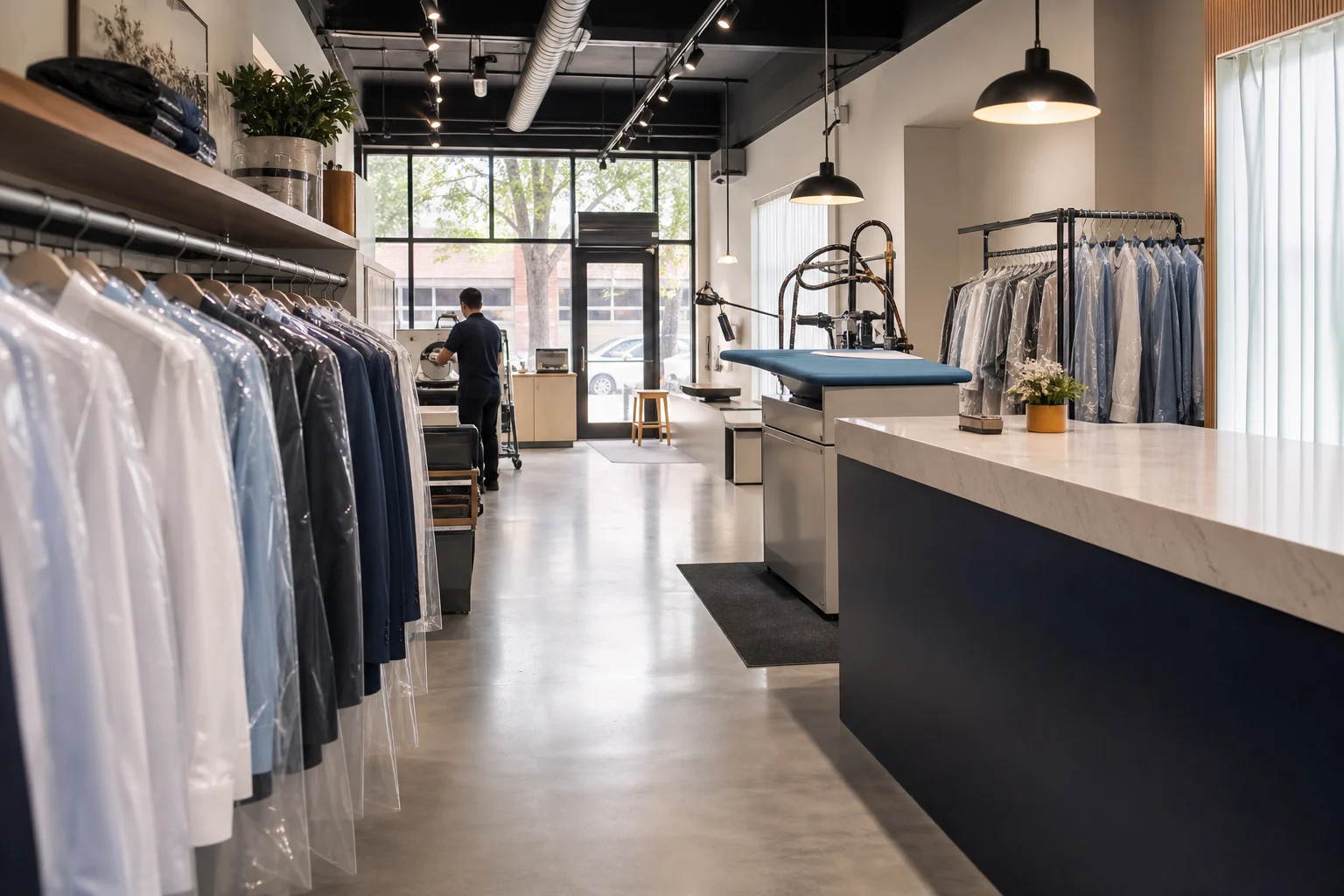
The permit stack to verify
Before signing any lease or purchasing equipment, founders must verify a comprehensive stack of permits and licenses. These requirements vary by location, business format, and specific services offered. San Diego's regulatory environment for dry cleaners includes city, state, landlord, health, fire, signage, and tax registrations. Each category contains specific requirements that must be addressed during your planning phase.
City, state, landlord, health, fire, signage, and tax registrations
City requirements for dry cleaners in San Diego typically include basic business registration and zoning compliance. The city may have specific regulations regarding commercial dry cleaning operations, particularly concerning chemical storage and waste disposal. Verify your chosen location's zoning classification to ensure it permits dry cleaning businesses.
State-level requirements for dry cleaners in California include general business licensing and potentially specialized environmental permits. The state regulates chemical handling and waste disposal for dry cleaning operations, which may involve additional compliance measures beyond standard business licensing.
Landlord requirements often include proof of insurance, additional security deposits, and modifications to standard lease terms. Commercial landlords frequently have specific provisions for businesses handling chemicals or requiring specialized equipment installations. Review your lease agreement carefully to understand all landlord-imposed requirements.
Health regulations for dry cleaners focus on maintaining clean facilities and proper handling of customer garments. This includes regular sanitation practices, proper storage of cleaned items, and employee hygiene protocols. Health inspectors may verify that your facility meets specific cleanliness standards.
Fire safety requirements for dry cleaners address the unique hazards associated with cleaning chemicals and equipment. Your facility must comply with fire codes regarding chemical storage, ventilation systems, and emergency exits. Fire inspections will verify that your business meets all safety standards.
Signage regulations in San Diego govern the size, placement, and illumination of business signs. These requirements vary by location and may include restrictions on certain types of signage or specific placement rules. Verify local signage regulations before installing any permanent signs.
Tax registrations include state sales tax permits and any local business tax licenses. San Diego businesses must collect and remit sales tax on taxable services. Additionally, you may need to register for city business taxes depending on your location and business structure.
Documents to collect before lease signing
Before committing to a commercial space, collect all necessary documentation to verify compliance requirements. This includes zoning verification from the city, confirming the property's classification allows dry cleaning operations. Obtain written confirmation from the landlord regarding any special provisions for chemical handling or waste disposal.
Research the specific neighborhood's regulatory environment. University City / UTC (7.6/10) offers a UCSD-adjacent corridor with maxed-out office density, strong daytime worker pool (~10,500 weekday lunch workers within 800m), and Westfield UTC as a retail anchor. Only one nearby dry cleaner (North Coast Cleaners, 4.4★, 55 reviews) exists in this area, providing minimal direct competition. Rent runs roughly $45-70/sqft NNN, which is workable for a medium-budget operator targeting young professionals and office workers.
Little Italy (7.1/10) presents an India Street corridor with strong walkability, high daytime population density, and two established dry cleaners (Magic Touch Cleaners 4.8★/366 reviews, San Diego Wedding Dress Cleaners 5★/79 reviews) within 450m. Rent is moderate at roughly $30-50/sqft NNN, making this the most rent-friendly top-tier option.
Convoy Asian Cultural District (7.0/10) offers Convoy Street's designated Asian cultural district with strong daytime population and multiple shopping plazas. No direct dry-cleaning competitors were found within the search radius, presenting a clean entry opportunity. Rent is moderate at roughly $30-50/sqft NNN.
Collect documentation regarding any historical environmental issues at the property, particularly if previous businesses handled chemicals. Verify that the building's infrastructure can support your dry cleaning equipment, including adequate ventilation, electrical capacity, and plumbing for waste disposal.
What varies by dry cleaner format
Different dry cleaner formats have varying compliance requirements. A traditional drop-off and pickup location may have different zoning requirements than a specialized wedding dress cleaner or an eco-friendly dry cleaning operation. Research how your specific business model might affect your permit requirements.
Location-specific factors also influence compliance needs. Areas with higher foot traffic may have stricter signage regulations, while neighborhoods near residential zones might impose additional operating hour restrictions. Consider how your chosen location's characteristics might affect your regulatory obligations.
Business scale impacts permit complexity as well. A small, single-location operation will have different requirements than a multi-location franchise. The size of your facility and the volume of operations may trigger additional regulatory oversight, particularly regarding environmental compliance.
FAQ
What permits do I need for A Dry Cleaner in San Diego?
Dry cleaner requirements in San Diego typically include city business registration, state licensing, and potentially specialized environmental permits. You'll need to verify zoning compliance for your specific location, obtain necessary health and fire safety certifications, and register for appropriate tax obligations. Requirements vary by location and business format, so research your specific situation thoroughly.
How do neighborhood characteristics affect dry cleaner permits?
Neighborhood characteristics significantly impact dry cleaner requirements. Areas with established dry cleaners may have different expectations than emerging markets. University City / UTC (7.6/10) offers minimal direct competition with only one nearby dry cleaner (North Coast Cleaners, 4.4★, 55 reviews), while Little Italy (7.1/10) has two established dry cleaners (Magic Touch Cleaners 4.8★/366 reviews, San Diego Wedding Dress Cleaners 5★/79 reviews) within 450m. Convoy Asian Cultural District (7.0/10) presents a clean entry opportunity with no direct dry-cleaning competitors found within the search radius.
What should I verify before signing a commercial lease?
Before signing a lease, verify zoning compliance for dry cleaning operations, confirm the property's infrastructure can support your equipment, and understand any landlord-imposed requirements. Collect documentation regarding historical environmental issues and ensure the building meets necessary health and safety standards. Review your lease agreement carefully for provisions related to chemical handling, waste disposal, and business operations.
How do rent levels impact dry cleaner planning?
Rent levels significantly impact dry cleaner business planning. University City / UTC (7.6/10) has rent running roughly $45-70/sqft NNN, which is workable for a medium-budget operator targeting young professionals and office workers. Little Italy (7.1/10) offers more moderate rent at roughly $30-50/sqft NNN, making it the most rent-friendly top-tier option. Convoy Asian Cultural District (7.0/10) also has moderate rent at roughly $30-50/sqft NNN. Factor these costs into your overall business planning and permit compliance budget.
What factors affect dry cleaner market temperature?
Market temperature for dry cleaners is influenced by competition density, daytime population, and existing service gaps. University City / UTC (7.6/10) shows a promising market temperature with medium competition density and a strong daytime worker pool (~10,500 weekday lunch workers within 800m). Little Italy (7.1/10) has higher competition with two established dry cleaners but benefits from strong walkability and high daytime population density. Convoy Asian Cultural District (7.0/10) presents a promising opportunity with no direct dry-cleaning competitors found within the search radius.
Last reviewed: 2026-05-08
Sources: U.S. Census Bureau ACS, LEHD LODES, Google Places, OpenStreetMap, Locavisor neighborhood scoring.
Methodology: Locavisor scores neighborhoods across demand, competition fit, rent fit, accessibility, and customer match. Scores reflect a snapshot of recent data and should be combined with on-the-ground research before lease decisions.
Disclaimer: This article provides informational content only and does not constitute legal, financial, accounting, or real-estate advice. Verify lease terms, licensing, local regulations, costs, and professional requirements with qualified local professionals before making business decisions.
Free preview shows top 3 neighborhoods. Full $9.99 report covers all 10 areas with personalized scoring + 90-day check-ins.
Informational only. Verify lease, licensing, local regulations, costs, and professional requirements with qualified local professionals.