San Francisco, CA · dry cleaner
Dry cleaner permits San Francisco
Opening a dry cleaner in San Francisco requires navigating a complex web of permits and licenses. The city's unique regulatory environment demands careful planning and attention to detail. Before you invest in equipment, inventory, and lease space, you need to understand the compliance requirements specific to dry cleaning operations in San Francisco.
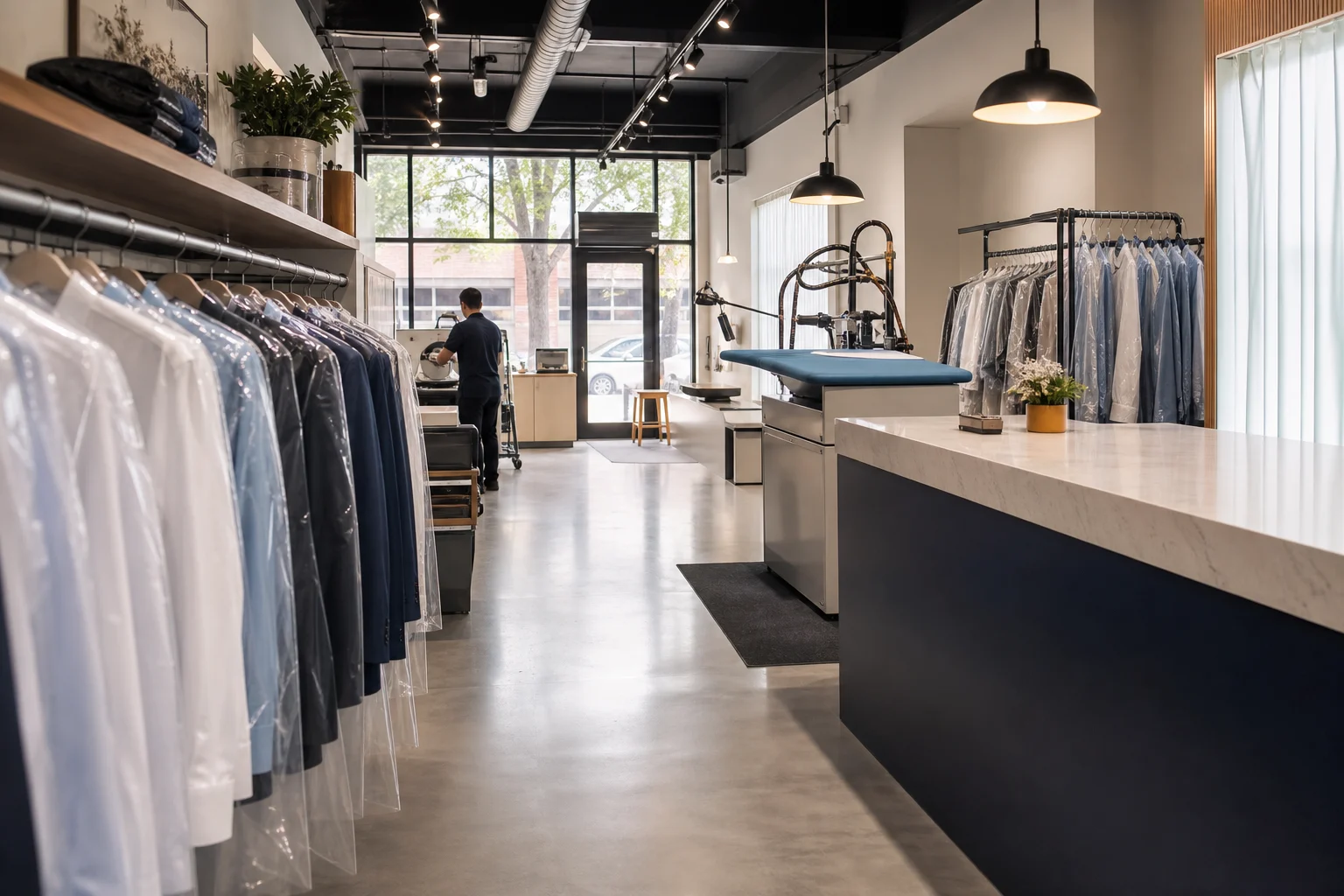
The permit stack to verify
Starting a dry cleaner in San Francisco means verifying multiple layers of compliance. Each category requires specific documentation and approvals before you can legally operate. The process involves city, state, landlord, health, fire, signage, and tax registrations. Missing any element can delay your opening or result in costly penalties.
San Francisco's dry cleaner market shows promising temperature with medium competition density. The rent level is high, but the market offers opportunities for well-positioned businesses. Locavisor neighborhood scoring gives a 78% confidence rating for the 2026-05 snapshot data.
City, state, landlord, health, fire, signage, and tax registrations
City requirements for dry cleaners in San Francisco include basic business registration and zoning compliance. You'll need to verify that your chosen location is properly zoned for commercial dry cleaning operations. The city may have specific requirements for equipment placement, ventilation, and waste disposal.
State-level requirements typically involve business entity registration and sales tax permits. California has specific regulations for handling certain chemicals used in dry cleaning processes. These regulations may include proper storage, handling, and disposal requirements.
Your landlord will likely require additional documentation beyond the standard lease agreement. This may include proof of insurance, liability coverage, and compliance with building-specific regulations. Some landlords have specific requirements for businesses using water, electricity, or ventilation systems.
Health department compliance is critical for dry cleaners. You'll need to verify that your equipment meets sanitation standards and that your facility maintains proper cleanliness protocols. The health department may inspect your facility before granting approval.
Fire safety requirements are particularly important for dry cleaning facilities. You'll need to ensure that your space meets fire code requirements for equipment placement, storage of flammable materials, and emergency exits. Fire extinguishers and other safety equipment may need to be installed and inspected.
Signage regulations in San Francisco may limit the size, placement, and illumination of business signs. You'll need to verify that your proposed signage meets city requirements before installation.
Tax registrations include both state sales tax permits and local business tax certificates. San Francisco has specific business tax requirements that vary based on your business structure and revenue.
Documents to collect before lease signing
Before signing a lease for your dry cleaner, collect all necessary documentation to avoid compliance issues later. This includes zoning verification, building permits, and environmental impact assessments specific to dry cleaning operations.
Locavisor neighborhood scoring identifies three top areas for dry cleaners in San Francisco:
Tenderloin (7.2/10) — Tenderloin ranks #1 for a dry cleaner in SF — the office-worker density is near ceiling, daytime population is maxed out, and transit/walkability scores are city-leading. Expect roughly $45-70/sqft NNN. The catch: car access is near-zero, and the neighborhood's social-service context means some customers may avoid the area.
Nob Hill (7.1/10) — Nob Hill offers strong office-worker density, maxed-out transit and walkability, and a dense residential base of upscale professionals — your core demographic. Rent runs roughly $45-70/sqft NNN. The accessibility score (4.0) is the weak link: the cable-car hills and limited parking make car-dependent drop-off tough.
Mission Bay / Dogpatch (7.0/10) — Mission Bay / Dogpatch scores highest on demand (9.0) and customerMatch (8.7) — UCSF Mission Bay, biotech offices, and Chase Center create a dense daytime population of high-income young professionals. But rentFit is zero: this is trophy-tier territory at roughly $90-140/sqft NNN, which is punishing for dry-cleaner margins.
Before committing to a location, verify that the space meets all requirements for your specific dry cleaning format. Different equipment configurations may have different compliance requirements.
What varies by dry cleaner format
The specific permits and licenses you need may vary depending on your dry cleaner format. Traditional dry cleaning facilities with solvent-based processes have different requirements than wet cleaning or eco-friendly dry cleaning operations.
Facilities using traditional solvents may have additional environmental compliance requirements. These could include air quality permits, waste disposal certifications, and chemical storage regulations.
Eco-friendly dry cleaners using wet cleaning or other alternative methods may have different health and safety requirements. These facilities may need to document the environmental benefits of their processes and obtain specific certifications.
Mobile dry cleaning services have their own set of requirements. These may include vehicle permits, commercial driver's licenses, and additional insurance coverage. Mobile services may also need to verify that they can legally operate in each neighborhood they serve.
Regardless of format, all dry cleaners in San Francisco need to verify their compliance with local, state, and federal regulations. The specific requirements may vary, but the basic compliance framework remains consistent.
FAQ
What permits do I need for A Dry Cleaner in San Francisco?
You'll need a combination of city, state, landlord, health, fire, signage, and tax registrations to operate a dry cleaner in San Francisco. The specific requirements depend on your location, business format, and equipment used. Before opening, verify that your space meets all zoning requirements and that your equipment complies with health and safety regulations.
How long does it take to get all the necessary permits?
The timeline for obtaining permits varies depending on the specific requirements and the completeness of your application. Some permits may be approved quickly, while others may require additional documentation or inspections. It's best to start the permit process as early as possible to avoid delays in your opening.
Do I need special certifications for handling dry cleaning chemicals?
Yes, you may need specific certifications for handling certain chemicals used in dry cleaning processes. These requirements vary depending on the chemicals you use and the quantities involved. Check with state and local authorities to determine what certifications you need.
What are the zoning requirements for dry cleaners in San Francisco?
Zoning requirements for dry cleaners in San Francisco vary by neighborhood. Some areas may have specific restrictions on commercial dry cleaning operations. Before signing a lease, verify that your chosen location is properly zoned for your business type.
How do I verify that my space meets health and safety requirements?
Before opening, schedule inspections with the appropriate health and safety authorities. They can verify that your space meets all requirements for equipment placement, ventilation, waste disposal, and emergency procedures. Make any necessary adjustments before your opening date.
Last reviewed: 2026-05-08
Sources: U.S. Census Bureau ACS, LEHD LODES, Google Places, OpenStreetMap, Locavisor neighborhood scoring.
Methodology: Locavisor scores neighborhoods across demand, competition fit, rent fit, accessibility, and customer match. Scores reflect a snapshot of recent data and should be combined with on-the-ground research before lease decisions.
Disclaimer: This article provides informational content only and does not constitute legal, financial, accounting, or real-estate advice. Verify lease terms, licensing, local regulations, costs, and professional requirements with qualified local professionals before making business decisions.
Free preview shows top 3 neighborhoods. Full $9.99 report covers all 10 areas with personalized scoring + 90-day check-ins.
Informational only. Verify lease, licensing, local regulations, costs, and professional requirements with qualified local professionals.