Seattle, WA · dry cleaner
Dry cleaner permits Seattle
Opening a dry cleaner in Seattle requires navigating a complex web of permits and licenses. Understanding dry cleaner permits Seattle is essential for any founder looking to establish a successful business in this competitive market. The right location can make all the difference, and Seattle offers several promising neighborhoods for dry cleaning operations.
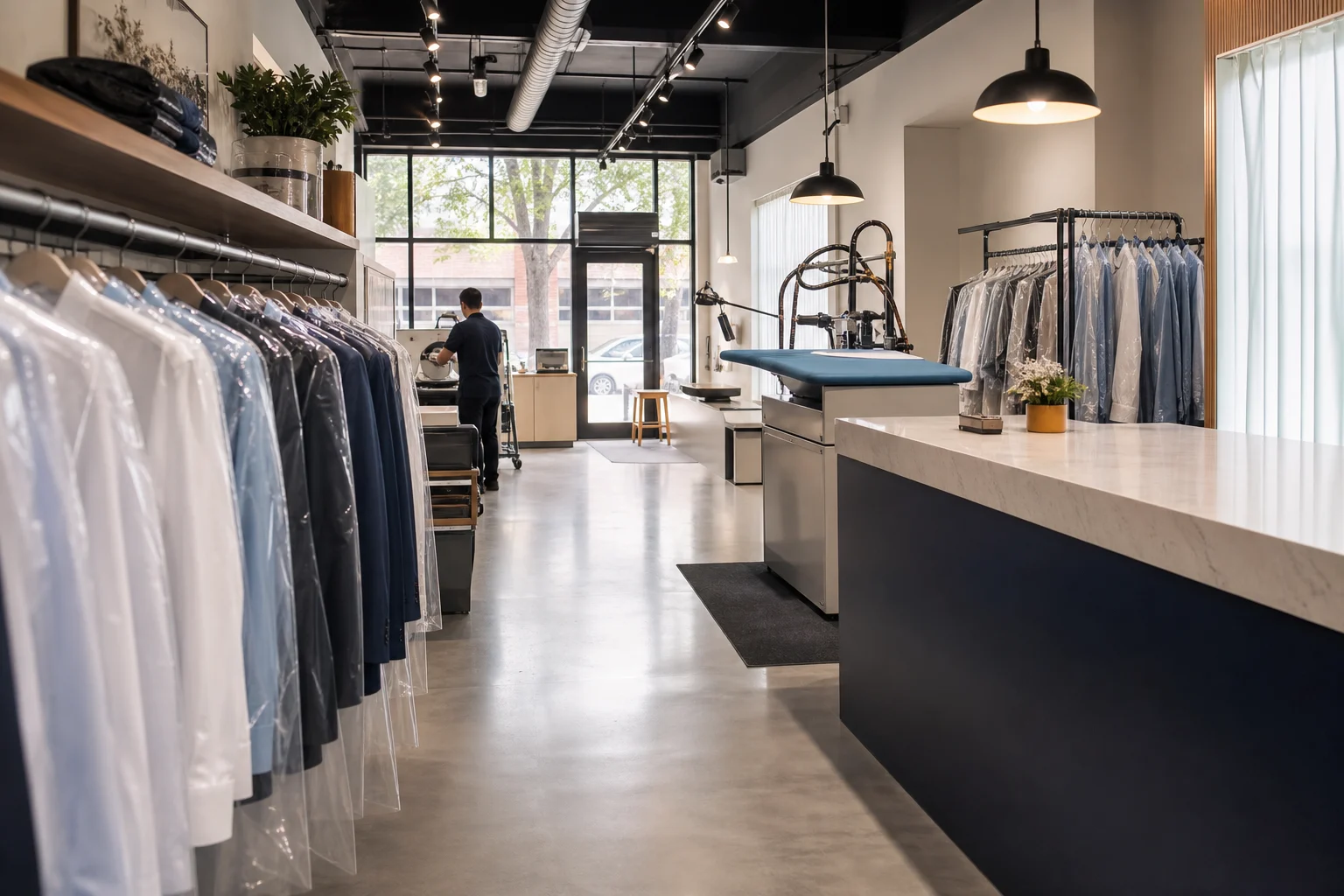
The permit stack to verify
Before signing any lease or making significant investments, founders must verify all required permits and licenses. This checklist provides a framework for understanding what you'll need to research and obtain. Remember that this is a qualitative verification checklist, not legal advice. For specific requirements, consult with local authorities and professionals.
The permit stack typically includes city, state, landlord, health, fire, signage, and tax registrations. Each category serves a different purpose and addresses specific regulatory concerns. Some permits may be straightforward, while others could require additional documentation or inspections depending on your specific business model and location.
City, state, landlord, health, fire, signage, and tax registrations
City permits form the foundation of your legal operation. These typically include basic business registration and may include specific requirements for commercial businesses in Seattle. State requirements often include sales tax registration and potentially additional business licenses depending on your business structure.
Landlord requirements can vary significantly but often include proof of insurance and compliance with building codes. Health permits are particularly important for dry cleaners due to the chemicals used in the cleaning process. Fire safety requirements address the unique hazards associated with dry cleaning operations.
Signage permits regulate the size, placement, and illumination of business signs. Tax registrations include both state and local requirements for collecting and remitting sales tax. Professional review may be necessary to ensure compliance with all applicable regulations before opening your doors to customers.
Documents to collect before lease signing
Before committing to a commercial space, gather all necessary documentation to verify compliance requirements. This includes zoning information that confirms the property is zoned for commercial dry cleaning operations. Review any existing environmental assessments that might affect your business operations.
Insurance requirements should be clearly outlined, including general liability and any specialized coverage for dry cleaning operations. Building permits for any modifications you plan to make should be verified. Local business registration requirements should be confirmed before signing any lease agreement to avoid unexpected complications later in the process.
What varies by dry cleaner format
Different dry cleaner formats may have varying requirements based on size, services offered, and location. Seattle offers several promising neighborhoods for dry cleaning businesses, each with its own advantages based on Locavisor neighborhood scoring.
Eastlake / Cascade (8.1/10) is positioned as the best fit for a dry cleaner, with an overall score of 8.1/10. This area edges South Lake Union's Amazon campus with maxed-out office density and strong daytime worker population — roughly 10,500 weekday lunch workers within 800m. Two existing dry cleaners (Julie's Cleaners 4.7★, Aloha Cleaners 4.0★) are nearby but neither dominates. Rent runs roughly $30-50/sqft NNN, workable for a medium-budget operator.
Capitol Hill (8.0/10) delivers the highest daytime population density in the city and near-perfect walkability, anchored by the light-rail station, Broadway Market, and Seattle Central College. Four existing dry cleaners operate within the area — Green Dry Cleaners (3.9★), Alterations Plus (3.8★), All Seasons Cleaners (3.3★), and C.H. Cleaners (4.0★) — all with mediocre ratings and limited Saturday hours.
Madrona / Leschi (7.9/10) is an upscale lakefront residential corridor with strong household incomes and zero existing dry cleaners — a true blue-ocean opportunity. The commercial node around 34th Ave and E Union has Hi-Spot Cafe (4.6★, 921 reviews) and Golden Wheat Bakery (4.8★, 336 reviews) proving local retail demand. Rent is the most affordable of the top candidates at roughly $30-50/sqft NNN.
FAQ
What permits do I need for A Dry Cleaner in Seattle?
You'll need to verify city business registration, state tax registration, landlord requirements, health permits related to chemical handling, fire safety compliance, signage permits, and appropriate insurance coverage. The specific requirements may vary based on your location, business size, and services offered. It's essential to research thoroughly before committing to any commercial space to ensure compliance with all applicable regulations.
Last reviewed: 2026-05-08
Sources: U.S. Census Bureau ACS, LEHD LODES, Google Places, OpenStreetMap, Locavisor neighborhood scoring.
Methodology: Locavisor scores neighborhoods across demand, competition fit, rent fit, accessibility, and customer match. Scores reflect a snapshot of recent data and should be combined with on-the-ground research before lease decisions.
Disclaimer: This article provides informational content only and does not constitute legal, financial, accounting, or real-estate advice. Verify lease terms, licensing, local regulations, costs, and professional requirements with qualified local professionals before making business decisions.
Free preview shows top 3 neighborhoods. Full $9.99 report covers all 10 areas with personalized scoring + 90-day check-ins.
Informational only. Verify lease, licensing, local regulations, costs, and professional requirements with qualified local professionals.