Washington, DC · dry cleaner
Dry cleaner permits Washington
Opening a dry cleaner in Washington requires navigating a complex web of permits and licenses. Before you hang your "Grand Opening" sign, you'll need to secure approvals from multiple city and state agencies. This guide breaks down the essential permits and licenses you'll need to verify when establishing your dry cleaning business in the nation's capital.
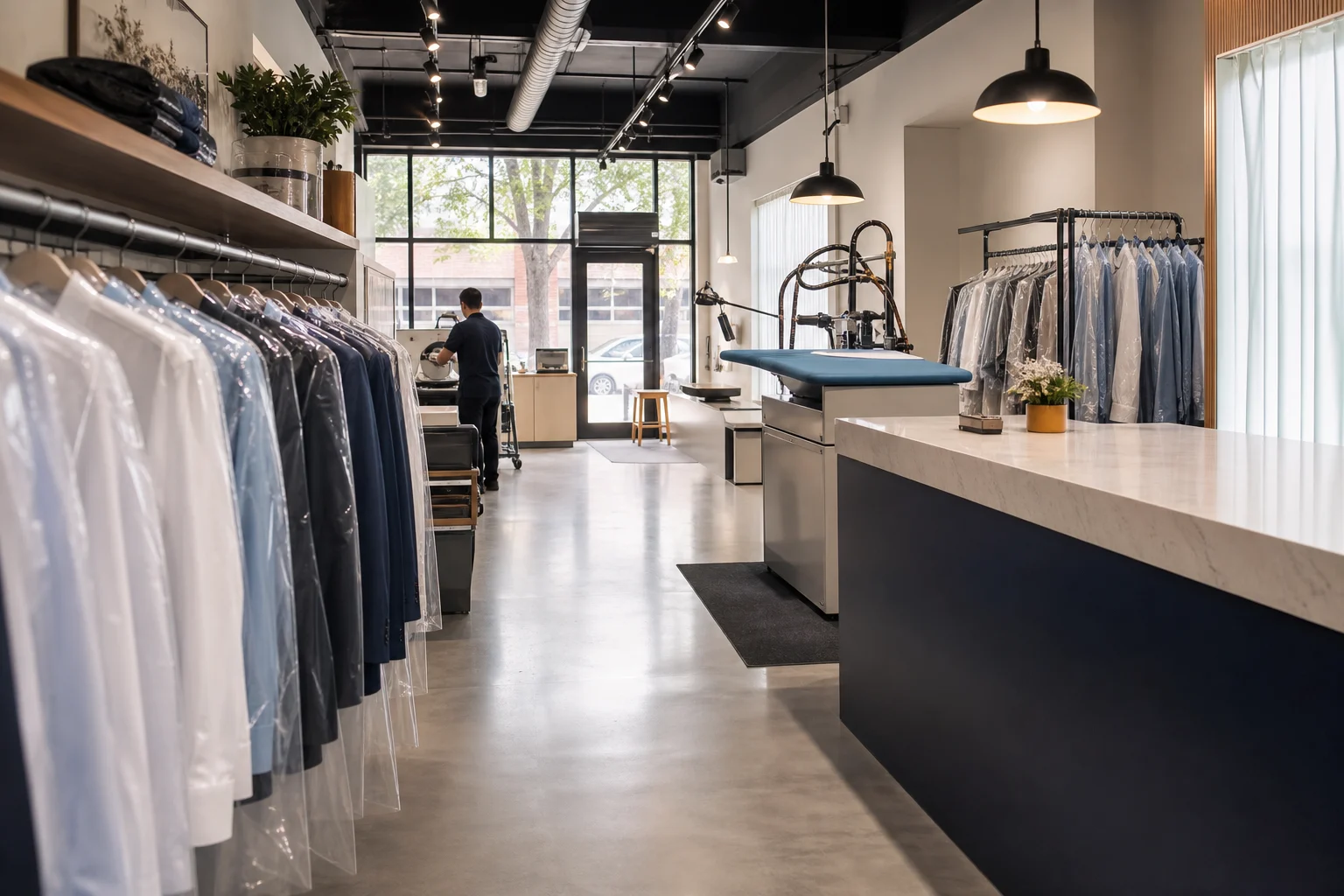
The permit stack to verify
When planning your dry cleaner in Washington, you'll need to verify several categories of permits and licenses. These requirements ensure your business operates legally, safely, and in compliance with local regulations. The permit stack typically includes city, state, landlord, health, fire, signage, and tax registrations. Each category serves a specific purpose in regulating different aspects of your dry cleaning operation.
City, state, landlord, health, fire, signage, and tax registrations
Washington's dry cleaner permit requirements span multiple jurisdictions and regulatory bodies. At the city level, you'll need basic business registration and potentially zoning clearance. The District of Columbia may have specific requirements for commercial dry cleaning operations that you must verify.
State-level requirements in Washington DC include standard business licensing and potentially environmental permits related to the chemicals used in dry cleaning processes. These regulations aim to protect both workers and the environment from potentially harmful substances.
Your landlord will likely require specific approvals before you can begin operations. This could include modifications to the space, installation of specialized equipment, or compliance with building codes. Always review your lease agreement carefully to understand these requirements.
Health permits are critical for any food service establishment, but dry cleaners may also need health-related approvals, particularly if you offer services like garment pressing that involve high temperatures. Fire permits ensure your business meets safety standards for equipment, storage of flammable materials, and emergency exits.
Signage regulations in Washington DC dictate where and how you can display your business name and logo. These rules affect both exterior and interior signage. Finally, tax registrations include your federal EIN, DC tax ID, and potentially sales tax permits if you sell retail items in addition to dry cleaning services.
Documents to collect before lease signing
Before signing a lease for your Washington DC dry cleaner, collect all necessary documents to verify compliance requirements. This includes zoning verification confirming the location allows dry cleaning operations, building permits for any planned renovations, and environmental impact assessments if your business will use specific chemicals.
Research the specific requirements for your chosen location. Chevy Chase DC ranks #1 on paper with a score of 7.8/10, offering strong office-worker density, high affluence, and zero nearby dry-cleaner competitors. The existing incumbent C & C Custom Cleaners (2.3★, 9 reviews) is essentially a non-threat. Expect roughly $30-50/sqft NNN for a neighborhood corridor.
Foggy Bottom / GWU (7.7/10) presents a high-density urban play with maxed-out walkability, sky-high daytime population, and six existing dry-cleaners within 800m—the most competitive area in this set. Rent runs roughly $30-50/sqft NNN. The customer base is a mix of GWU students, State Department staff, and Foggy Bottom residents.
Logan Circle (7.7/10) offers a high-rent, high-demand corridor with maxed-out walkability, office density, and residential density. Rent runs roughly $45-70/sqft NNN—the second priciest in this set. Five dry-cleaners operate within 800m (Red Valet 4.6★, Rainbow 4.1★, 11 M Cleaners 4.6★, Tower 4.7★, Logan Dry Cleaners 3.0★), making this a competitive but not saturated market.
What varies by dry cleaner format
The specific permits you'll need can vary based on your dry cleaner's format and services. A traditional drop-off and pickup location may have different requirements than a dry cleaning pickup service that operates from a central facility with no storefront.
If you plan to offer additional services like alterations, shoe repair, or laundry, you may need additional permits. The scale of your operation also matters—a small neighborhood cleaner will have different requirements than a large facility serving commercial clients.
Environmental considerations are particularly important for dry cleaners due to the chemicals involved. Washington DC may have specific regulations regarding the handling, storage, and disposal of dry cleaning solvents and other potentially hazardous materials.
FAQ
What permits do I need for A Dry Cleaner in Washington?
You'll need a combination of city, state, landlord, health, fire, signage, and tax registrations. The specific requirements depend on your location, business format, and services offered. Before opening, verify all necessary permits with local authorities and consider consulting with a business attorney familiar with Washington DC regulations.
Last reviewed: 2026-05-08
Sources: U.S. Census Bureau ACS, LEHD LODES, Google Places, OpenStreetMap, Locavisor neighborhood scoring.
Methodology: Locavisor scores neighborhoods across demand, competition fit, rent fit, accessibility, and customer match. Scores reflect a snapshot of recent data and should be combined with on-the-ground research before lease decisions.
Disclaimer: This article provides informational content only and does not constitute legal, financial, accounting, or real-estate advice. Verify lease terms, licensing, local regulations, costs, and professional requirements with qualified local professionals before making business decisions.*
Free preview shows top 3 neighborhoods. Full $9.99 report covers all 10 areas with personalized scoring + 90-day check-ins.
Informational only. Verify lease, licensing, local regulations, costs, and professional requirements with qualified local professionals.