Boston, MA · ice cream shop
Ice cream shop permits Boston
Opening an ice cream shop in Boston requires navigating a complex web of permits and licenses. The ice cream shop permits Boston process can be overwhelming for new founders. Understanding these requirements early saves time and prevents costly delays. 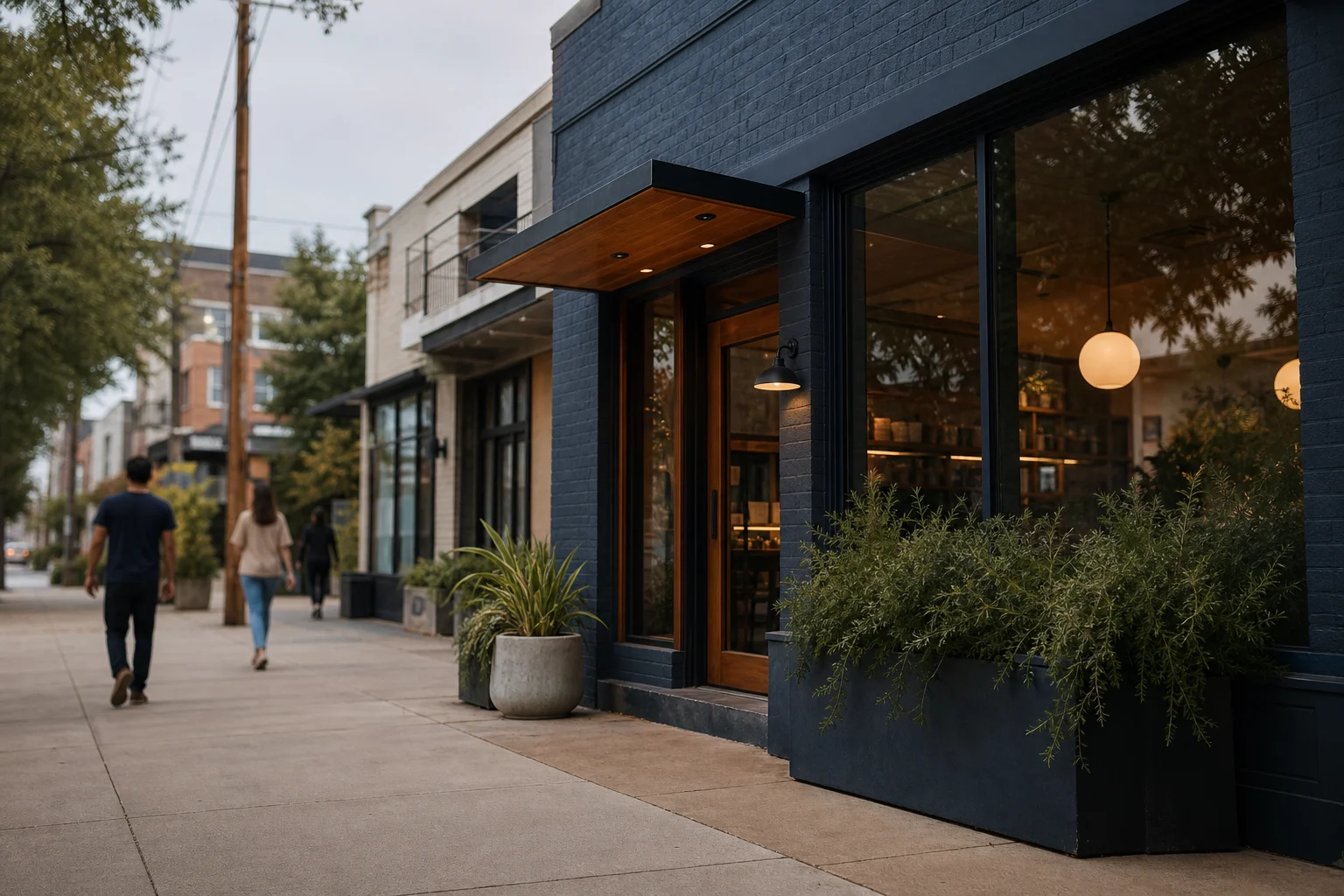
The permit stack to verify
Founders must verify multiple categories of permits and licenses before opening. Each category serves a different purpose in ensuring your business operates legally and safely. The permit stack includes city, state, landlord, health, fire, signage, and tax registrations. Missing any component can result in fines or forced closure.
City, state, landlord, health, fire, signage, and tax registrations
City registrations
Boston requires city-level business registrations. These establish your legal right to operate within city limits. The process typically involves basic business information and proof of your physical location. Some areas may have additional requirements based on zoning regulations.
State registrations
Massachusetts mandates state-level business registrations. These include basic business formation documents and tax identification numbers. State requirements apply regardless of your specific location within Boston.
Landlord requirements
Your lease agreement will outline specific landlord requirements. These often include proof of insurance and compliance with building codes. Landlord approvals may be needed for any alterations to the space.
Health permits
Health permits are critical for any food service business. These ensure your facility meets sanitation standards. Inspectors will review equipment, food handling procedures, and storage practices.
Fire permits
Fire safety regulations apply to all commercial food establishments. These requirements address emergency exits, fire suppression systems, and hazardous materials storage. Compliance is non-negotiable for operation.
Signage permits
Outdoor signage requires city approval. Regulations govern size, placement, and illumination. Boston has specific rules about signs in different neighborhoods.
Tax registrations
Both federal and state tax registrations are mandatory. These include sales tax collection authorization and employer identification numbers if you plan to hire staff.
Documents to collect before lease signing
Before signing a lease, gather all necessary documentation. This includes proof of business registration, identification, and financial statements. Verify that your intended location meets all zoning requirements for food service businesses. Obtain preliminary information about health and fire codes for the specific property.
Consider the market conditions in your target area. Quincy Center / North Quincy ranks #1 for ice cream on paper — zero direct competitors, strong walkability around the Red Line, and a dense residential base. The rent is manageable for a medium-budget operator at roughly $30-50/sqft NNN. The catch: this is a lunch-and-commuter corridor, not a tourist draw. You'll need to win on repeat local traffic, not destination visits.
Beacon Hill delivers elite walkability, high tourist traffic, and a dense daytime population from nearby offices and universities. The problem: rent is roughly $65-95/sqft NNN — premium territory that strains a medium-budget operator. Two existing ice-cream/gelato shops (SKY ice cream truck at 4.8★ and Venchi Chocolate & Gelato at 4.8★) are nearby, but both are small-scale.
Assembly Row is a planned mixed-use development with an Orange Line stop, a mall, apartments, and steady foot traffic. Rent is steep at roughly $65-95/sqft NNN, and Mike's Pastry (4.4★, 733 reviews) and Union Square Donuts (4.1★, 207 reviews) already own the dessert mindshare. No direct ice-cream competitors, but you'd be fighting established sweet-tooth loyalty.
What varies by ice cream shop format
Your ice cream shop format significantly impacts permit requirements. A traditional storefront has different needs than a mobile ice cream truck or a seasonal kiosk. Each format presents unique challenges in health, fire, and zoning compliance.
Mobile vendors face additional regulations regarding vehicle equipment and movement restrictions. Seasonal operations may have different health inspection schedules. Consider how your chosen format affects your overall compliance burden before committing to a business model.
FAQ
What permits do I need for An Ice Cream Shop in Boston?
You'll need multiple permits including city business registration, state business formation documents, health permits, fire safety compliance, signage approval, and tax registrations. The exact requirements depend on your specific location and business format.
How long does the permit process take?
Processing times vary depending on the type of permit and current application volumes. Some permits may be approved quickly while others require inspections and additional documentation.
Can I apply for permits before finding a location?
Some registrations like state business formation and tax IDs can be completed before securing a location. However, location-specific permits like health and fire approvals require a physical address.
What happens if I operate without proper permits?
Operating without required permits can result in fines, forced closure, and legal action. It may also impact your ability to obtain necessary insurance and financing.
Do I need different permits for outdoor seating?
Outdoor seating typically requires additional permits and approvals. These may include sidewalk use permits, health inspections for outdoor service areas, and modifications to your existing signage permits.
How often do I need to renew my permits?
Most permits require annual renewal. Some may have different renewal cycles depending on the type of permit and regulatory requirements.
Can I handle the permit process myself or should I hire professional help?
While many founders handle the permit process themselves, professional assistance can ensure compliance and save time. Consider your comfort level with bureaucracy and the complexity of your specific situation.
Last reviewed: 2026-05-08
Sources: U.S. Census Bureau ACS, LEHD LODES, Google Places, OpenStreetMap, Locavisor neighborhood scoring.
Methodology: Locavisor scores neighborhoods across demand, competition fit, rent fit, accessibility, and customer match. Scores reflect a snapshot of recent data and should be combined with on-the-ground research before lease decisions.
Disclaimer: This article provides informational content only and does not constitute legal, financial, accounting, or real-estate advice. Verify lease terms, licensing, local regulations, costs, and professional requirements with qualified local professionals before making business decisions.
Free preview shows top 3 neighborhoods. Full $9.99 report covers all 10 areas with personalized scoring + 90-day check-ins.
Informational only. Verify lease, licensing, local regulations, costs, and professional requirements with qualified local professionals.