Denver, CO · ice cream shop
Ice cream shop permits Denver
Opening an ice cream shop in Denver requires navigating a specific set of permits and licenses. This guide breaks down what you need to know before you sign a lease or start building out your space. Denver's business environment offers opportunities in several neighborhoods, but each comes with its own regulatory landscape and operational considerations.
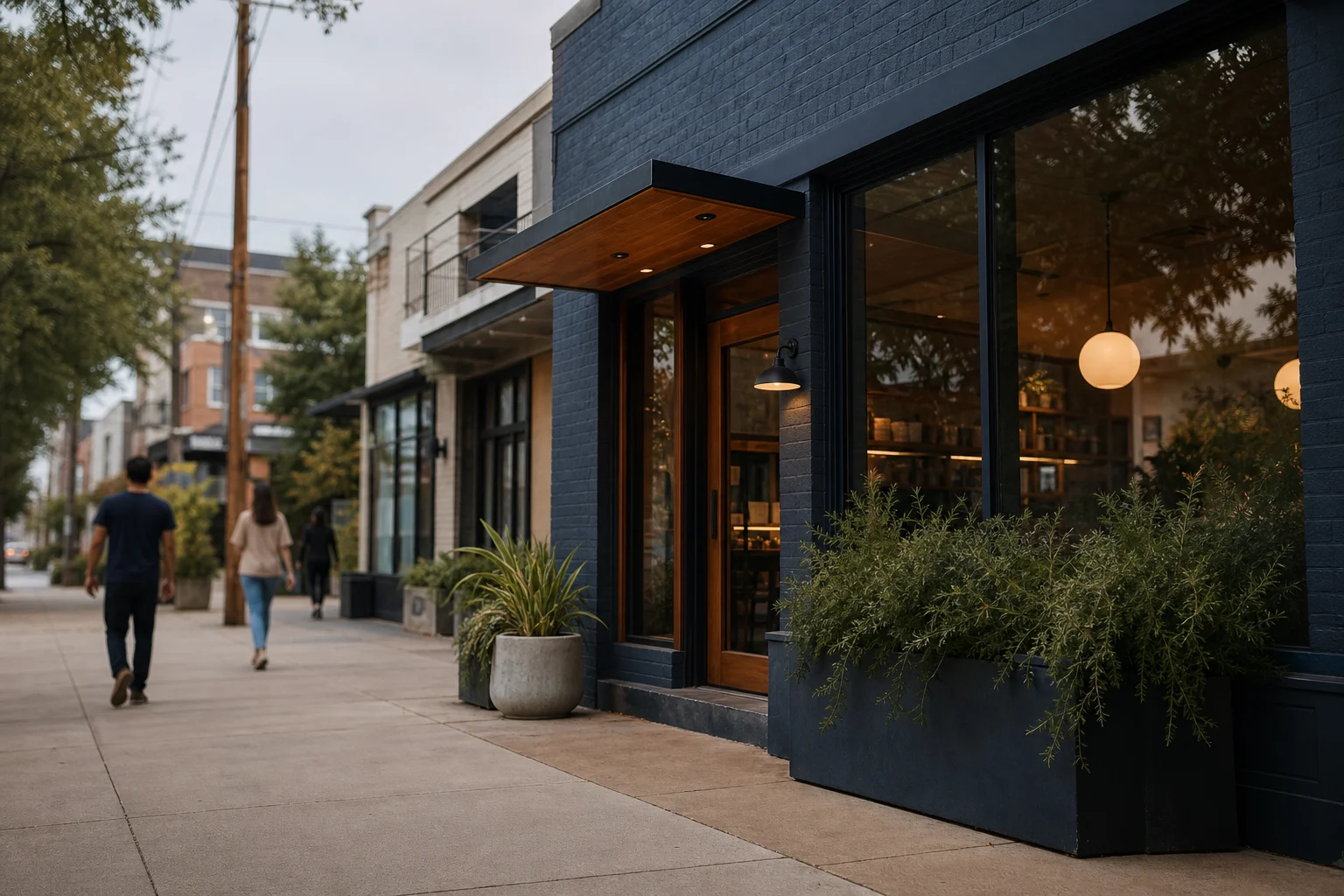
Why permits matter before you sign a lease
Before you commit to a location, understanding Denver's permit requirements is crucial. Many entrepreneurs make the mistake of signing a lease before verifying that the space can legally host an ice cream shop. This can lead to costly delays, redesigns, or even the inability to open at all. Denver's building codes, health regulations, and zoning laws are designed to protect public safety and ensure consistent standards across the city.
The permit process in Denver typically involves multiple agencies and can take several weeks to months to complete. Starting this process early gives you time to address any issues that might arise. For example, if your chosen space requires significant modifications to meet health department standards for food preparation, you'll want to know this before investing in a lease.
Denver's neighborhoods vary significantly in their suitability for ice cream shops. According to Locavisor research, LoDo (Lower Downtown) scores highest at 7.4/10 for ice cream shop viability, with a rent band of $48/sqft/yr NNN. This neighborhood features high foot traffic from 16th Street Mall and Denver Pavilions, making it attractive for retail businesses. However, the higher rent reflects this prime location.
RiNo (River North Art District) follows closely with a score of 7.0/10 and the same $48/sqft/yr NNN rent band. This arts-focused neighborhood has been growing in popularity and offers a different customer demographic than LoDo. Existing businesses like Heaven Creamery in RiNo demonstrate the area's viability for ice cream shops.
Five Points presents a more diverse rental market, with rent bands ranging from $26-$75/sqft/yr NNN and a score of 6.9/10. This neighborhood offers more flexibility in pricing while still maintaining good foot traffic from 16th Street and nearby schools.
Cherry Creek, with its upscale shopping center and higher rent band of $75/sqft/yr NNN, scores 6.3/10. While the customer base may have higher spending power, the cost of entry is significantly higher. Businesses like Heaven Creamery Cherry Creek and Little Man Ice Cream Cherry Creek have found success here, indicating that the market can support premium ice cream offerings.
Capitol Hill rounds out the top five with a score of 6.2/10 and rent bands of $26-$75/sqft/yr NNN. This neighborhood offers a more eclectic customer base and potentially lower overhead than Cherry Creek, though with slightly less foot traffic from major retail centers.
Required permits and licenses for a ice cream shop in Denver
So, what permits do I need to open an ice cream shop in Denver? The answer depends on several factors, including your specific business model, location, and whether you'll be serving prepared foods on-site. Denver's regulatory framework typically requires the following:
Business License: All businesses operating in Denver must obtain a business license from the city. This is your basic operating permit and is usually the first step in the process.
Food Service License: Since you'll be handling and serving food products, you'll need a food service license from the Denver Department of Public Health & Environment. This license ensures your shop meets health and safety standards for food preparation and storage.
Sales Tax License: You'll need to collect and remit sales tax on your products. The Colorado Department of Revenue handles this requirement.
Zoning Permit: Your chosen location must be zoned for retail food establishments. Denver's zoning codes specify which areas allow food service businesses and may have additional requirements.
Building Permit: If you're making structural changes to your space, you'll need a building permit. This applies to renovations, signage installation, or other modifications.
Signage Permit: Denver has specific regulations about business signage, including size, placement, and illumination. You'll need approval before installing any exterior signs.
Fire Department Permit: Your shop must meet fire safety codes, which may require inspections and potentially modifications to your space.
Employer Identification Number (EIN): If you'll have employees, you'll need an EIN from the IRS.
The specific permits required can vary based on your exact business model. For example, if you plan to serve alcohol (like boozy ice cream treats), you'll need additional permits from the Colorado Liquor Enforcement Division. If you're manufacturing your own ice cream on-site rather than purchasing pre-made product, you may face additional health and safety requirements.
Denver's permitting process is designed to ensure public safety while supporting business growth. However, the complexity can be daunting for first-time entrepreneurs. Working with a local business advisor or attorney who specializes in Denver business licensing can help you navigate these requirements efficiently.
Realistic timeline from application to opening
The timeline for obtaining all necessary permits in Denver can vary significantly based on several factors. On average, you should expect the process to take anywhere from a variable local timeline, but it can be longer if issues arise or if you're applying during a busy period.
The first step is researching your specific location and confirming it's zoned appropriately for an ice cream shop. This should happen before you sign a lease, as changing zoning designations can be a lengthy process. Once you have a signed lease, you can begin the application process.
The business license application is typically straightforward and can often be completed online. The food service license requires more documentation, including floor plans, equipment lists, and proof of employee training. Denver's health department may conduct an initial inspection before approving this license.
Building and signage permits require approval from Denver's Development Services. The timeline here depends on the complexity of your planned renovations and the current workload of the department. It's not uncommon for these permits to take a variable local timeline for approval.
Fire department inspections are typically scheduled after other permits are approved but before you can open. These inspections ensure your space meets fire codes, including proper exits, extinguisher placement, and electrical systems.
Throughout this process, it's crucial to maintain open communication with all relevant departments. Denver's business liaison offices can often provide guidance and help expedite the process, especially for new businesses that create jobs in the community.
Common reasons applications get rejected in Denver
Denver's permitting process is thorough, and applications are sometimes rejected or delayed due to common issues. Understanding these pitfalls can help you prepare and avoid unnecessary setbacks.
Incomplete applications are the most frequent reason for rejection. Denver's various departments require specific documentation, and missing even one item can cause delays. Create a checklist of all required documents and verify that each is properly completed before submission.
Zoning issues are another common problem. Even if a space seems suitable, it may not be zoned for food service. Always confirm zoning before signing a lease, as changing a property's zoning designation can take months and may not be approved.
Health department violations are serious and can halt your opening. Common issues include inadequate handwashing facilities, improper food storage, or insufficient separation between raw and prepared foods. Working with a consultant who understands Denver's health codes can help you design your space to meet these requirements from the start.
Building code violations, particularly related to accessibility, are frequently cited. Denver, like all municipalities, must comply with the Americans with Disabilities Act (ADA). Ensure your space has proper wheelchair access, restroom facilities, and aisle widths before applying for permits.
Signage that doesn't meet Denver's regulations is another common issue. The city has specific rules about sign size, placement, and illumination. Even seemingly minor violations can cause delays, so consult the signage guidelines early in your planning process.
Fire safety issues, while less common, can be significant. Denver requires proper fire extinguisher placement, emergency exits, and sometimes sprinkler systems depending on your space size. Address these requirements during your build-out to avoid last-minute complications.
The best way to avoid these issues is to engage professionals early in the process. Architects, contractors, and business consultants familiar with Denver's requirements can help you design a space that meets all regulations from the start.
How to budget for permits and inspections
Budgeting for permits and inspections is an essential part of your ice cream shop's financial planning. While exact costs vary, understanding the potential expenses helps you prepare and avoid surprises.
Permit fees in Denver are typically based on the value of your project or a flat rate for certain types of permits. Business licenses usually have an annual fee that varies based on your business type and revenue. Food service licenses may have initial fees plus annual renewals.
Inspection fees are often separate from permit costs. Denver's health department charges for food service inspections, and you may need multiple inspections throughout the process. Fire department inspections may also have associated fees.
Professional services should be factored into your budget. Many entrepreneurs hire architects, engineers, or consultants to help navigate the permitting process. While this adds to your initial costs, it can save time and prevent costly mistakes.
Contingency planning is crucial. Set aside additional funds for unexpected issues that may arise during the permitting process. Denver's requirements can sometimes change, or inspectors may identify issues you hadn't anticipated.
Neighborhood selection can impact your permitting costs. Areas like Cherry Creek, with a rent band of $75/sqft/yr NNN, may have higher permitting requirements due to their commercial nature. In contrast, neighborhoods like Five Points, with rent bands ranging from $26-$75/sqft/yr NNN, might have different regulatory considerations.
Existing businesses in your target neighborhood can provide valuable insights into the permitting process. For example, Van Leeuwen Ice Cream and Milkbox Ice Creamery in LoDo have successfully navigated Denver's requirements, and their experiences can offer practical guidance.
Table: Denver Ice Cream Shop Permit Cost Considerations
| Permit Type | Typical Cost Range | Frequency | Notes |
|---|
This table provides a general overview, but actual costs can vary significantly based on your specific situation. Always get current fee schedules from Denver's relevant departments before budgeting.
Quick reference - which neighborhoods minimize permit friction
Denver's neighborhoods offer different advantages when it comes to permitting and overall business viability. Understanding these differences can help you choose a location that aligns with your business goals and regulatory comfort level.
LoDo (Lower Downtown) scores highest at 7.4/10 for ice cream shop viability, with a rent band of $48/sqft/yr NNN. This neighborhood has established retail corridors like 16th Street Mall and Denver Pavilions, which means the city is accustomed to processing permits for food establishments. Existing businesses like Van Leeuwen Ice Cream, Milkbox Ice Creamery, and Mc2 Ice Cream demonstrate that the permitting process works in this area.
RiNo (River North Art District) follows with a score of 7.0/10 and the same $48/sqft/yr NNN rent band. This arts-focused neighborhood has been growing rapidly, and Denver's planning department is familiar with the area's development patterns. Heaven Creamery in RiNo shows that food businesses can thrive here, and the neighborhood's creative atmosphere may appeal to customers seeking unique ice cream experiences.
Five Points presents a more diverse rental market, with rent bands ranging from $26-$75/sqft/yr NNN and a score of 6.9/10. This neighborhood offers more flexibility in pricing while still maintaining good foot traffic. The area's mix of retail, residential, and educational institutions means the city has experience processing permits for various business types.
Cherry Creek, with its upscale shopping center and higher rent band of $75/sqft/yr NNN, scores 6.3/10. While the customer base may have higher spending power, the cost of entry is significantly higher. Businesses like Heaven Creamery Cherry Creek and Little Man Ice Cream Cherry Creek have found success here, indicating that the market can support premium ice cream offerings, but the permitting process may be more stringent due to the area's commercial significance.
Capitol Hill rounds out the top five with a score of 6.2/10 and rent bands of $26-$75/sqft/yr NNN. This neighborhood offers a more eclectic customer base and potentially lower overhead than Cherry Creek, though with slightly less foot traffic from major retail centers. Sadboy Creamery in Capitol Hill demonstrates that unique concepts can succeed in this area.
When evaluating neighborhoods, consider not just the permitting process but also your target customer demographic and business model. A high-end gelato shop might thrive in Cherry Creek, while a more casual ice cream parlor could do well in Five Points or Capitol Hill.
FAQ
Q: How long does it take to get a food service license in Denver?
A: The timeline for a food service license in Denver typically ranges from a variable local timeline, depending on the completeness of your application and the current workload of the Denver Department of Public Health & Environment. Ensure all required documents, including floor plans and employee training certificates, are submitted with your initial application to minimize delays.
Q: Do I need a separate permit for outdoor seating at my ice cream shop?
A: Yes, outdoor seating in Denver typically requires additional permits. You'll need to check with the Denver Department of Public Health & Environment for health and safety requirements, and the Denver Urban Planning & Development may have specific regulations about sidewalk seating, including size limitations and accessibility requirements.
Q: Can I operate an ice cream shop from a food truck instead of a fixed location?
A: Yes, Denver allows food truck operations, but you'll need different permits than a brick-and-mortar location. Food trucks require a mobile food vendor license from the Denver Department of Public Health & Environment and must comply with specific parking and operational regulations. The permitting process is generally faster than for fixed locations but has its own set of requirements.
Q: What are the health department's main concerns for ice cream shops?
A: Denver's health department focuses on proper food storage temperatures, handwashing facilities, surface sanitation, and employee hygiene. They'll inspect your equipment, storage areas, and preparation surfaces to ensure compliance with food safety standards. Having a clear plan for these elements in your application can help streamline the approval process.
Q: Do I need a special permit for making my own ice cream on-site?
A: Manufacturing ice cream on-site rather than purchasing pre-made product may require additional permits and inspections. Denver's health department will want to ensure your production area meets specific sanitation standards. You may need to submit detailed equipment specifications and operational procedures as part of your food service license application.
This comprehensive guide to ice cream shop permits in Denver provides the foundational knowledge you need to navigate the regulatory landscape. Remember that this information is for research purposes only, and you should always verify requirements with the appropriate Denver agencies before making business decisions. Each neighborhood offers unique advantages, and understanding both the opportunities and challenges in areas like LoDo, RiNo, Five Points, Cherry Creek, and Capitol Hill can help you choose the best location for your ice cream shop.
Last reviewed: 2026-05-30
Sources: U.S. Census Bureau ACS, LEHD LODES, Google Places, OpenStreetMap, Locavisor neighborhood scoring.
Methodology: Locavisor scores neighborhoods across demand, competition fit, rent fit, accessibility, and customer match. Scores reflect a snapshot of recent data and should be combined with on-the-ground research before lease decisions.
Disclaimer: This article provides informational content only and does not constitute legal, financial, accounting, or real-estate advice. Verify lease terms, licensing, local regulations, costs, and professional requirements with qualified local professionals before making business decisions.
Free preview shows top 3 neighborhoods. Full $9.99 report covers all 10 areas with personalized scoring + 90-day check-ins.
Informational only. Verify lease, licensing, local regulations, costs, and professional requirements with qualified local professionals.