Fort Worth, TX · ice cream shop
Ice cream shop permits Fort Worth
Opening an ice cream shop in Fort Worth requires navigating a complex web of permits and licenses. The city's mixed market temperature, medium competition density, and low rent levels make it an attractive location for entrepreneurs. However, understanding the ice cream shop license requirements in Fort Worth is crucial for a smooth launch. This guide breaks down the essential compliance categories to verify before opening your doors.
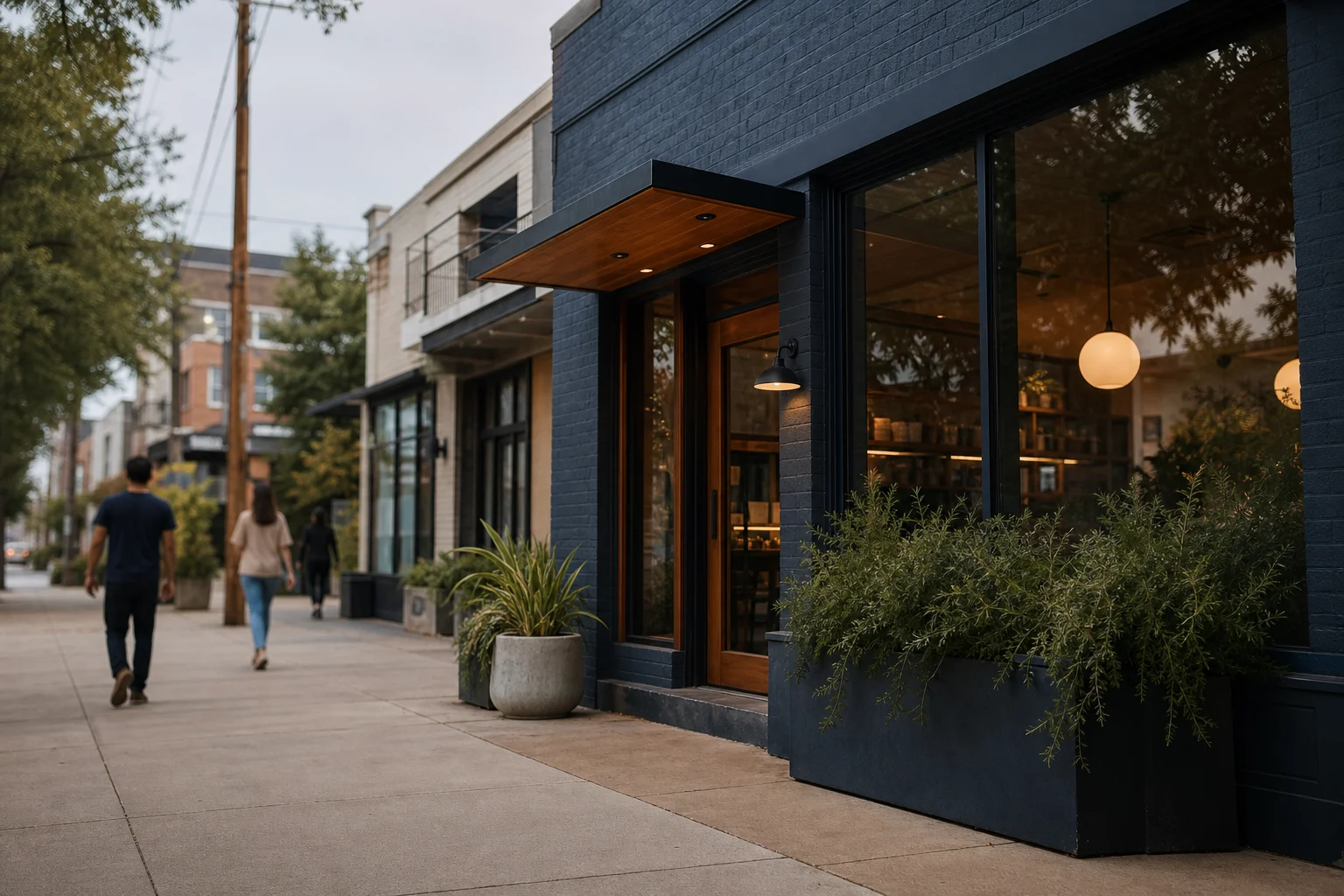
The permit stack to verify
Before signing any lease or making significant investments, founders must verify a comprehensive stack of permits and licenses. The compliance landscape for ice cream shops in Fort Worth involves multiple layers of authorization. Missing even one required permit can lead to costly delays, fines, or forced closure.
The verification process should begin early in your planning phase. Some permits require applications submitted months before your planned opening date. Others may involve inspections that need to be scheduled well in advance. A systematic approach to checking each compliance category will prevent last-minute surprises.
City, state, landlord, health, fire, signage, and tax registrations
Fort Worth requires ice cream shop owners to obtain several types of authorizations. The city-level permits typically include basic business registration and zoning compliance. State requirements often involve sales tax collection authorization and food handler certifications.
Landlord permissions may be necessary for modifications to the space. Health department approvals are critical for any establishment serving food. Fire safety compliance ensures your meets safety standards. Signage permits regulate the size, placement, and illumination of your business signs. Tax registrations include both state and local business taxes.
Each category requires separate verification. Some permits may have overlapping requirements, but each must be addressed independently. The process can be time-consuming, but thorough documentation will save headaches later.
Documents to collect before lease signing
Before committing to a commercial space, collect all relevant compliance documents. Verify that the property has proper zoning for food service businesses. Check if previous tenants held similar permits and if any restrictions apply to your specific concept.
Request utility verification documents to ensure adequate power, water, and waste disposal capacity. Obtain floor plans and specifications that will be needed for building and fire department approvals. Confirm that the space meets accessibility requirements under federal and local laws.
Review any existing health department inspection reports for the property. These documents can reveal recurring issues that might affect your operations. Ask the landlord about any previous compliance problems and how they were resolved.
What varies by ice cream shop format
The specific permits you need may vary depending on your ice cream shop format. A full-service shop with seating requires different health and fire safety approvals than a take-only counter operation. The Stockyards area, with its tourist-and-event-driven concept near Exchange Ave foot traffic, presents different compliance considerations than Sundance Square's downtown core.
In the Stockyards (7.0/10), where MELT Ice Creams operates 126m away, your permit verification should focus on event-related regulations and tourist accommodations. The area's walkability and tourist + evening daypart strength support impulse ice-cream purchases, which may influence your operational hours and outdoor seating requirements.
Sundance Square (6.3/10) presents a different compliance landscape. With its dense office-worker daytime population, your ice cream shop will need to meet different health department standards for high-volume service. The area's rent runs roughly $30-50/sqft NNN, which may affect your budget for compliance-related improvements.
The Cultural District (5.7/10) offers a unique opportunity with no direct ice-cream competitors within the district. However, operating near museums and cultural venues may require additional considerations for noise control, waste management, and special event permits.
FAQ
What permits do I need for An Ice Cream Shop in Fort Worth?
You'll need to verify city business registration, state tax authorization, landlord permissions for space modifications, health department approvals, fire safety compliance, signage permits, and various tax registrations. The specific requirements depend on your shop's format and location within Fort Worth.
How early should I start the permit application process?
Begin verifying your compliance requirements as early as possible in your planning phase. Some permits require applications submitted months before your planned opening date, and inspections often need to be scheduled well in advance.
Do I need different permits for indoor versus outdoor seating?
Yes, outdoor seating typically requires additional permits for sidewalk use, outdoor furniture, and sometimes extended hours. These vary by location within Fort Worth and should be verified separately from your indoor operation permits.
What happens if I open without all required permits?
Operating without proper permits can result in fines, forced closure, and difficulty obtaining permits in the future. It's essential to complete all compliance requirements before opening your ice cream shop.
How do I know if a location is zoned for an ice cream shop?
Verify zoning requirements with Fort Worth's planning department before signing a lease. Some areas may have specific restrictions on food service businesses or require additional approvals for certain types of operations.
Last reviewed: 2026-05-08
Sources: U.S. Census Bureau ACS, LEHD LODES, Google Places, OpenStreetMap, Locavisor neighborhood scoring.
Methodology: Locavisor scores neighborhoods across demand, competition fit, rent fit, accessibility, and customer match. Scores reflect a snapshot of recent data and should be combined with on-the-ground research before lease decisions.
Disclaimer: This article provides informational content only and does not constitute legal, financial, accounting, or real-estate advice. Verify lease terms, licensing, local regulations, costs, and professional requirements with qualified local professionals before making business decisions.
Free preview shows top 3 neighborhoods. Full $9.99 report covers all 10 areas with personalized scoring + 90-day check-ins.
Informational only. Verify lease, licensing, local regulations, costs, and professional requirements with qualified local professionals.