Houston, TX · ice cream shop
Ice cream shop permits Houston
Opening an ice cream shop in Houston requires navigating a complex web of permits and licenses. Before you scoop your first serving, you'll need to verify compliance requirements across multiple jurisdictions. This guide breaks down the essential permits and licenses you'll need to operate legally in Houston's competitive ice cream market.
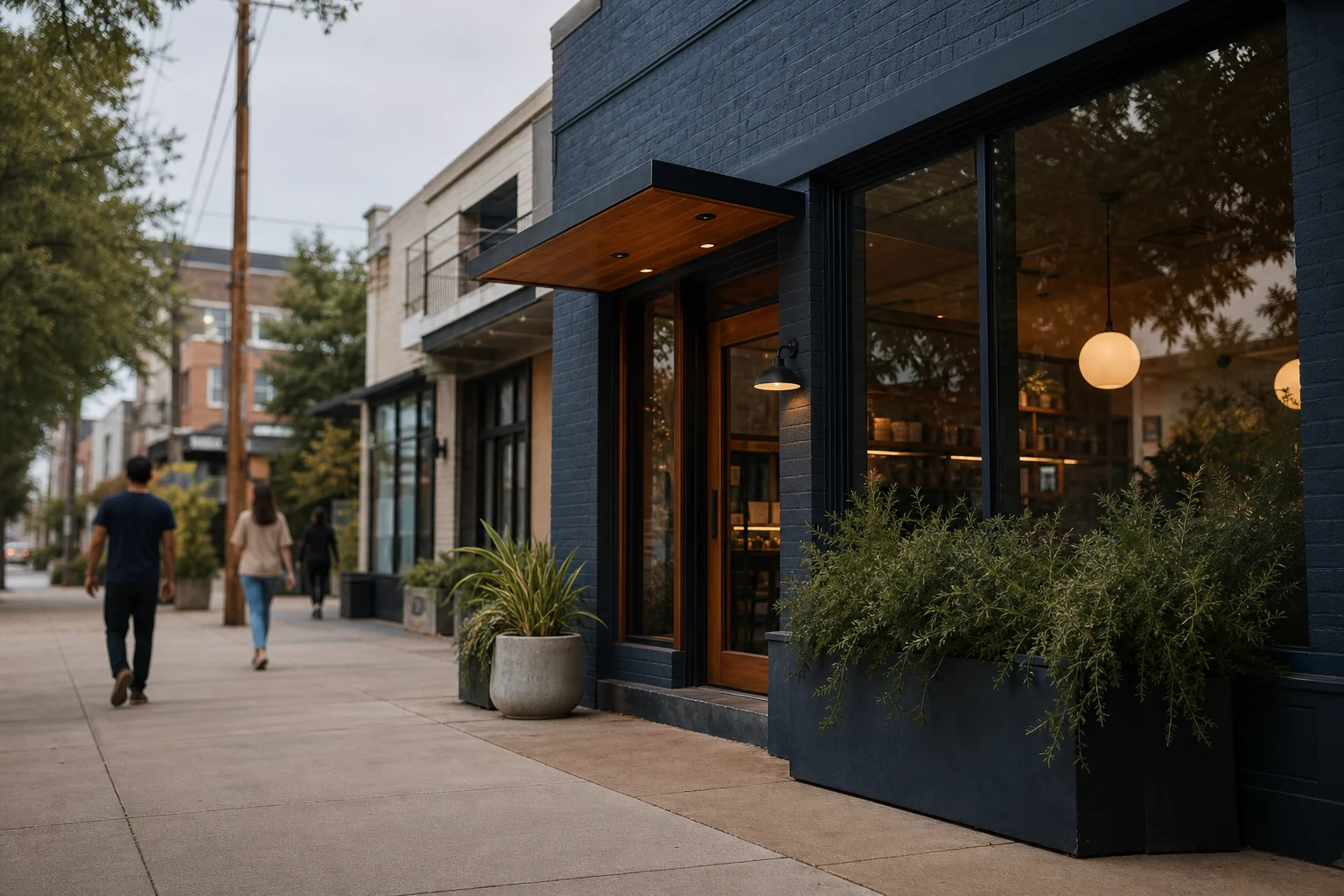
The permit stack to verify
When planning your ice cream shop in Houston, you'll need to verify compliance across several categories. Each category has specific requirements that vary based on your location, business model, and operational scope. The following checklist outlines the essential areas to address before opening your doors.
City, state, landlord, health, fire, signage, and tax registrations
City requirements
Houston requires specific city permits for food service businesses. You'll need to verify local zoning regulations for your chosen location. The city may have additional requirements for sidewalk seating, outdoor operations, or special events. Check with Houston's municipal offices for the most current requirements.
State requirements
Texas state regulations govern food service establishments. You'll need to register your business with the state and obtain necessary tax identification numbers. The state may have specific requirements for food handling, storage, and preparation that apply to ice cream shops.
Landlord requirements
Your lease agreement will likely include specific requirements for business operations. Review your lease carefully for clauses related to signage, hours of operation, and modifications to the space. Some landlords require additional insurance or deposits for food service businesses.
Health permits
Health regulations are critical for any food service business. You'll need to comply with health department requirements for food preparation, storage, and service. This includes proper refrigeration, sanitation practices, and employee health certifications.
Fire permits
Fire safety regulations apply to all commercial food service establishments. You'll need to ensure your space meets fire safety codes, including proper exits, fire suppression systems, and electrical safety requirements.
Signage permits
Signage regulations in Houston may limit the size, placement, and illumination of business signs. You'll need to verify local requirements before installing your ice cream shop's signage.
Tax registrations
You'll need to register for appropriate federal, state, and local taxes. This includes sales tax permits, employer identification numbers, and business tax registrations specific to Houston.
Documents to collect before lease signing
Before signing a lease for your ice cream shop, collect all necessary documents to ensure compliance:
- Zoning verification for your chosen location
- Building code compliance documentation
- Health department requirements for food service
- Fire safety inspection requirements
- Signage regulations for the area
- Tax registration requirements
- Landlord approval for business operations
Spring Branch ranks #1 on rent fit and competition fit — zero direct ice-cream competitors within the search radius, and rent lands in the $30-50/sqft NNN neighborhood corridor range. Walkability is above-average for Houston, and the CITYCENTRE + Town & Country Village anchors nearby pull afternoon foot traffic.
Greenway Plaza / Upper Kirby scores well on daytime demand — office density is strong, and the area pulls a dense lunch crowd from the Greenway Plaza office complex and nearby medical/co-working hubs. Rent runs roughly $30-50/sqft NNN, workable for medium budget.
River Oaks ranks #3 overall with strong demand (4.5) and customer match (4.4), but rent fit drops to 6.3 — expect roughly $45-70/sqft NNN, pushing the upper edge of medium budget. The area has zero ice-cream competitors and strong daytime office density plus tourist draw from River Oaks District and the Museum of Fine Arts.
What varies by ice cream shop format
The specific permits and licenses you need may vary based on your ice cream shop format:
Traditional ice cream shop
A traditional sit-down ice cream shop will need permits for food service, seating capacity, and possibly alcohol service if you plan to offer adult-oriented treats.
Ice cream truck or cart
Mobile ice cream vendors face additional requirements for vehicle registration, mobile food permits, and specific locations where you can operate.
Ice cream shop with bakery items
If you plan to make your own waffle cones, cookies, or other baked goods, you'll need additional permits for commercial baking operations.
Ice cream shop with seating
Shops with customer seating will need additional permits for occupancy limits, accessibility requirements, and possibly outdoor seating.
Ice cream shop with retail sales
If you plan to sell packaged ice cream, merchandise, or other retail items, you'll need additional permits for retail operations.
FAQ
What permits do I need for An Ice Cream Shop in Houston?
You'll need several types of permits to operate an ice cream shop in Houston. These include city business permits, state tax registrations, health department permits for food service, fire safety permits, and possibly signage permits. The specific requirements vary based on your location, business model, and operational scope. Before opening, verify all requirements with Houston's municipal offices and relevant state agencies.
Do I need special permits for outdoor seating?
Many Houston ice cream shops offer outdoor seating, which may require additional permits. Check with the city regarding sidewalk café permits, outdoor furniture regulations, and any requirements for outdoor operations.
How do I verify zoning compliance for my ice cream shop?
Before signing a lease, verify that your chosen location is properly zoned for food service operations. Contact Houston's planning department to confirm zoning classifications and any restrictions that may apply to ice cream shops.
What health regulations apply specifically to ice cream shops?
Ice cream shops must comply with health regulations for food preparation, storage, and service. This includes requirements for refrigeration, sanitation practices, employee health certifications, and proper handling of dairy products.
Do I need special equipment certifications for my ice cream shop?
Your ice cream shop equipment may need specific certifications to meet health and safety standards. This includes pasteurization equipment, refrigeration systems, and any machinery used in production.
How often do I need to renew my permits?
Permit renewal requirements vary by type and jurisdiction. Some permits may need annual renewal, while others may be valid for multiple years. Check with the issuing agencies for specific renewal requirements and timelines.
What insurance requirements apply to ice cream shops?
Ice cream shops typically need general liability insurance, property insurance, and possibly product liability insurance. Your landlord may require additional coverage as specified in your lease agreement.
Are there special requirements for hiring employees in Houston?
Houston has specific requirements for employee registration, withholding taxes, and workers' compensation. You'll need to register as an employer and comply with state and federal employment regulations.
How do I handle sales tax for my ice cream shop?
You'll need to register for a sales tax permit with the state and collect appropriate sales tax on all taxable sales. Houston may have additional local sales tax requirements that apply to your business.
What should I do if I plan to expand my ice cream shop?
If you plan to expand your operations, you may need additional permits and licenses. Contact Houston's municipal offices to verify requirements for expansion, including changes to occupancy, equipment, or services offered.
Last reviewed: 2026-05-08
Sources: U.S. Census Bureau ACS, LEHD LODES, Google Places, OpenStreetMap, Locavisor neighborhood scoring.
Methodology: Locavisor scores neighborhoods across demand, competition fit, rent fit, accessibility, and customer match. Scores reflect a snapshot of recent data and should be combined with on-the-ground research before lease decisions.
Disclaimer: This article provides informational content only and does not constitute legal, financial, accounting, or real-estate advice. Verify lease terms, licensing, local regulations, costs, and professional requirements with qualified local professionals before making business decisions.
Free preview shows top 3 neighborhoods. Full $9.99 report covers all 10 areas with personalized scoring + 90-day check-ins.
Informational only. Verify lease, licensing, local regulations, costs, and professional requirements with qualified local professionals.