Jacksonville, FL · ice cream shop
Ice cream shop permits Jacksonville
Opening an ice cream shop in Jacksonville requires navigating a complex web of permits and licenses. Before you scoop your first cone, you'll need to understand the ice cream shop permits Jacksonville requires for new businesses. This guide breaks down the essential compliance requirements to help you prepare for your sweet venture in the River City.
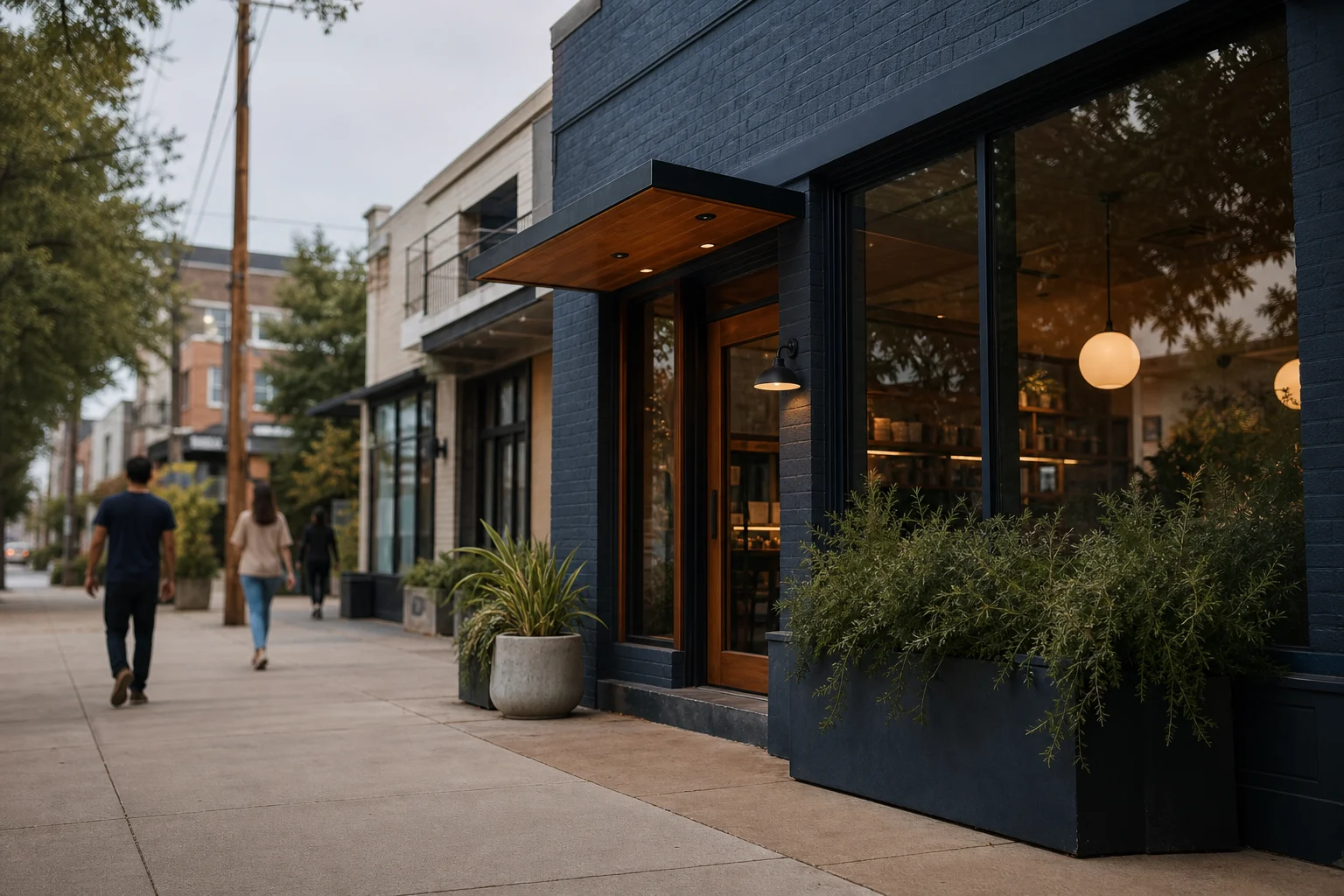
The permit stack to verify
Starting an ice cream shop in Jacksonville means verifying multiple layers of compliance. This checklist outlines the key areas you'll need to address before opening your doors. Remember, this is a qualitative verification guide, not legal advice. Each business has unique circumstances that may require additional considerations beyond what's covered here.
The permit stack typically includes city, state, landlord, health, fire, signage, and tax registrations. Some requirements apply universally, while others depend on your specific business model, location, and operational details. The process can take weeks or months, so start early to avoid delays in your opening timeline.
City, state, landlord, health, fire, signage, and tax registrations
City-level permits form the foundation of your compliance framework. Jacksonville requires basic business registration through the city's business tax receipt process. You'll also need to verify zoning regulations for your specific location, as not all areas allow food service businesses. Some neighborhoods may have additional restrictions or requirements for retail food establishments.
State requirements include basic business entity registration with the Florida Department of State. If you plan to sell alcohol (like ice cream liqueurs or beer floats), you'll need separate state-level permits. Florida also requires specific food handler certifications for at least one employee on staff at all times.
Your landlord approval process involves more than just signing a lease. Most commercial leases require landlord consent for any business license or permit applications. You'll need to verify that your intended use aligns with the property's zoning classification and that your planned renovations meet building codes. Some leases also require additional landlord approvals for signage, equipment installation, or operational changes.
Health department requirements focus on food safety and sanitation. You'll need to verify compliance with Florida's food service regulations, which cover everything from equipment specifications to employee hygiene practices. The health department will inspect your facility before granting approval, so plan your layout with food safety in mind.
Fire safety considerations include proper exit signage, fire extinguisher placement, and compliance with occupancy limits. Jacksonville's fire department has specific requirements for commercial kitchens and food preparation areas. Your equipment may also need separate fire safety certifications.
Signage permits regulate the size, placement, and illumination of your business signage. Jacksonville has specific ordinances governing commercial signs, particularly in historic districts or commercial corridors. Your sign design will need approval before installation.
Tax registrations include both federal and state requirements. You'll need an Employer Identification Number (EIN) from the IRS and registration with Florida's Department of Revenue for sales tax collection. If you plan to hire employees, you'll also need to register for payroll taxes.
Documents to collect before lease signing
Before committing to a commercial space, collect and verify several key documents. The best area for your ice cream shop depends on your target market and business model. According to Locavisor neighborhood scoring, Atlantic Beach / Neptune Beach / Jax Beach (5.3/10) ranks as the top location. This area offers Jacksonville's most walkable coastal retail strip with a tourist + young-pro crowd. Notably, no direct ice-cream competitors are detected in the data, which is unusual for a beach market. Rent is in the neighborhood-corridor range (~$30-50/sqft NNN).
The second-best option is Southside / St Johns Town Center (5.0/10), anchored by Jacksonville's premier outdoor lifestyle mall. This area has high walkability, strong daytime population, and dense retail anchors. However, it already has three established ice-cream operators within 500m: Kilwins (4.7★, 914 reviews), Mayday Handcrafted (4.7★, 280 reviews), and Marble Slab Creamery (4.1★, 103 reviews).
Brooklyn (4.9/10) ranks third as a downtown-adjacent redevelopment zone anchored by Brooklyn Station on Riverside, Fidelity offices, and the Northbank Riverwalk. This area has strong office density and lunch traffic but only one ice-cream competitor (Mayday Handcrafted, 4.7★, 277 reviews). Rent is in the value corridor range (~$20-35/sqft NNN).
When evaluating potential locations, verify the property's zoning classification to confirm it permits food service businesses. Review the building's certificate of occupancy to ensure it matches your intended use. Check for any existing health department violations or code compliance issues that might affect your opening timeline.
What varies by ice cream shop format
Your ice cream shop format significantly impacts your permit requirements. A traditional scoop shop with seating will have different needs than a mobile ice cream cart or a take-only kiosk. Consider how your business model affects each category of permits.
A full-service ice cream shop with seating requires the most comprehensive permits. You'll need additional health department approvals for your dining area, including proper ventilation, restroom facilities, and waste management systems. Fire safety requirements become more stringent with seating capacity considerations.
A take-only ice cream shop simplifies some requirements but introduces others. You may have reduced health department requirements for seating, but increased demands for drive-thru or pickup window infrastructure. Signage becomes more critical when customers can't see your products from the street.
Mobile ice cream carts face unique challenges. You'll need to verify mobile vending permits, which have different requirements than fixed locations. Health department regulations for mobile units often include specific equipment standards and commissary kitchen requirements. Some areas restrict where mobile vendors can operate, so verify permitted locations and timeframes.
Seasonal ice cream shops have special considerations. If you plan to operate only during summer months, verify whether temporary permits are available and what requirements they entail. Some areas have different regulations for seasonal businesses, particularly regarding signage and outdoor seating.
FAQ
What permits do I need for An Ice Cream Shop in Jacksonville?
You'll need a combination of city business tax receipt, state business registration, health department food service permits, and potentially fire safety approvals. The exact requirements depend on your specific business model, location, and operational details.
How long does the permit process take in Jacksonville?
Processing times vary by permit type and current workloads. Some permits can be obtained in days, while others may take weeks or months. Starting early and preparing complete applications helps minimize delays.
Do I need special permits to sell ice cream made with alcohol?
Yes, if you plan to incorporate alcohol into your ice cream products or sell alcoholic beverages alongside ice cream, you'll need additional state permits. Florida has specific requirements for businesses that sell alcohol.
Can I operate an ice cream shop from home?
Home-based ice cream shops face significant restrictions in most areas. Jacksonville's zoning regulations typically prohibit commercial food preparation in residential zones. You'll likely need a commercial location with proper zoning for food service businesses.
What health department requirements are specific to ice cream shops?
Ice cream shops must comply with Florida's food service regulations, which include equipment standards for freezing and storage, proper temperature controls, and specific sanitation requirements for dairy handling. At least one employee must hold a valid food handler certification.
How do I verify zoning for my ice cream shop location?
Check Jacksonville's zoning map to confirm your desired location permits food service businesses. Some areas have additional restrictions or special requirements for retail food establishments. Consult with a zoning professional if you have questions about specific locations.
What signage restrictions apply to ice cream shops in Jacksonville?
Sign regulations vary by location and district. Size, placement, and illumination may be restricted, particularly in historic areas or commercial corridors with specific design guidelines. Your sign design will need approval before installation.
Do I need separate permits for outdoor seating?
If you plan to have outdoor seating, you'll likely need additional permits. Requirements vary by location but may include health department approvals for outdoor food service, fire safety considerations, and special signage permits.
How often do ice cream shop permits need to be renewed?
Most permits require annual renewal. Business tax receipts, health department permits, and fire safety approvals typically need to be renewed each year. Keep track of renewal deadlines to avoid lapses in compliance.
What insurance requirements apply to ice cream shops?
Most commercial leases require general liability insurance. If you plan to serve food, you may need additional coverage for product liability. Consult with an insurance professional to determine appropriate coverage for your specific business model.
Last reviewed: 2026-05-08
Sources: U.S. Census Bureau ACS, LEHD LODES, Google Places, OpenStreetMap, Locavisor neighborhood scoring.
Methodology: Locavisor scores neighborhoods across demand, competition fit, rent fit, accessibility, and customer match. Scores reflect a snapshot of recent data and should be combined with on-the-ground research before lease decisions.
Disclaimer: This article provides informational content only and does not constitute legal, financial, accounting, or real-estate advice. Verify lease terms, licensing, local regulations, costs, and professional requirements with qualified local professionals before making business decisions.
Free preview shows top 3 neighborhoods. Full $9.99 report covers all 10 areas with personalized scoring + 90-day check-ins.
Informational only. Verify lease, licensing, local regulations, costs, and professional requirements with qualified local professionals.