Los Angeles, CA · ice cream shop
Ice cream shop permits Los Angeles
Opening an ice cream shop in Los Angeles requires navigating a complex web of permits and licenses. Before you scoop your first serving, you'll need to verify compliance with city, state, and federal regulations. This guide breaks down the essential requirements for ice cream shop license requirements Los Angeles, helping founders avoid costly delays and ensure smooth operations.
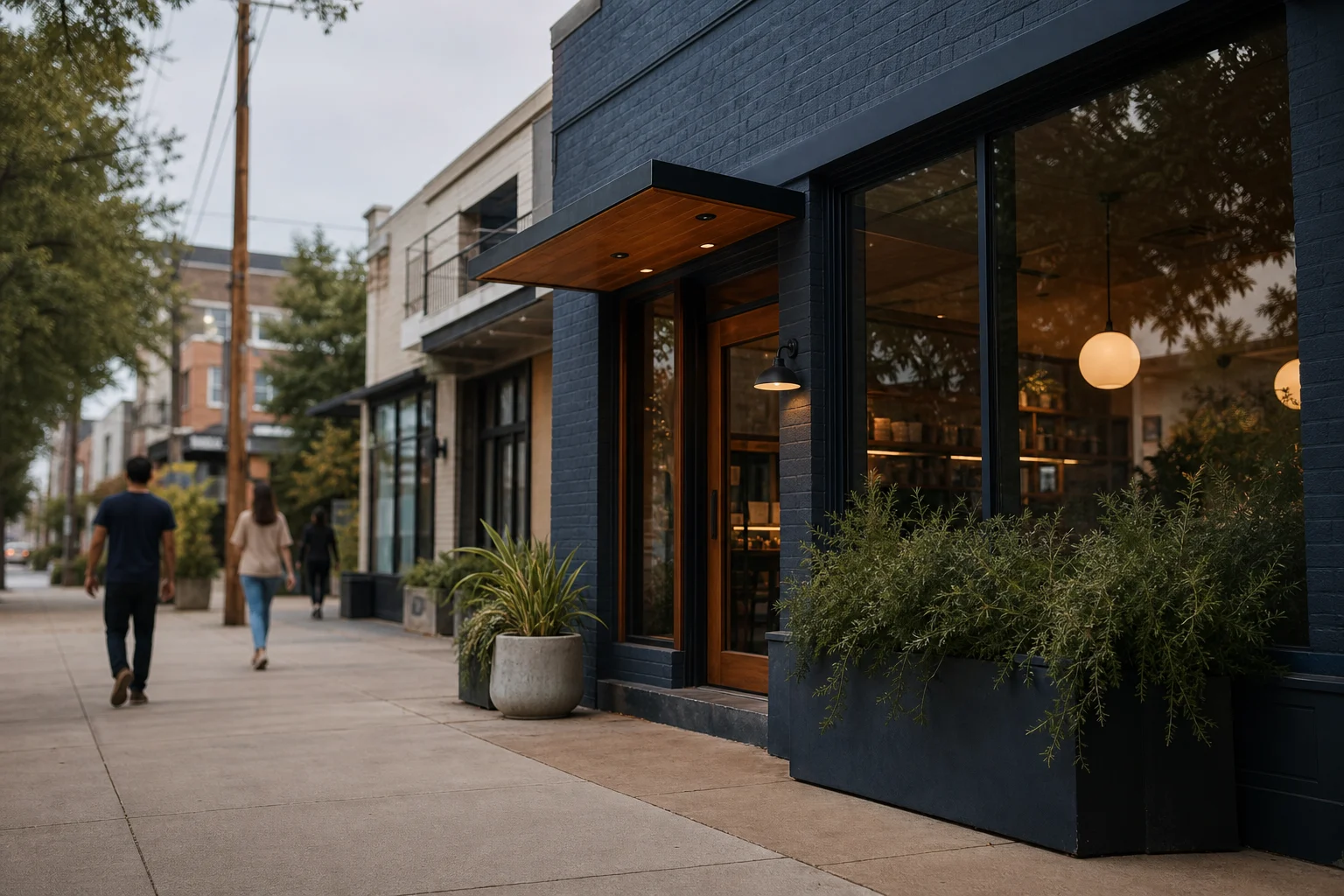
The permit stack to verify
Every ice cream shop in Los Angeles requires a layered approach to compliance. The permit stack includes city business registrations, state health certifications, landlord approvals, fire safety clearances, signage permits, tax registrations, and insurance requirements. Each category has specific documentation and verification steps that must be completed before opening day.
The Los Angeles market shows promising conditions for new ice cream ventures. According to Locavisor neighborhood scoring, Downtown LA (DTLA) ranks as the best area with an overall score of 7.0/10. DTLA ranks #1 on walkability and daytime worker density, making it the strongest lunch-and-afternoon foot-traffic play in the city. The market temperature is promising, with medium competition density and low rent levels.
For founders considering alternative locations, Little Tokyo (6.7/10) presents a proven tourist and local dining destination with excellent walkability and transit via the Little Tokyo/Arts District station. However, competition is notable with two existing ice cream shops: Salt & Straw (4.7★/1,517 reviews) at the edge of the area and Little Tokyo Ice Cream And Yogurt (3.8★/57 reviews). Rent runs roughly $30-50/sqft NNN in this area.
Hollywood (6.5/10) offers strong walkability along the tourist corridor including the Walk of Fame, Ovation Hollywood, and TCL Chinese Theatre, with solid transit via Hollywood/Highland and Hollywood/Vine Metro stations. Interestingly, there are zero dedicated ice cream shops detected in the immediate area, presenting both an opportunity and a potential red flag. Rent also runs roughly $30-50/sqft NNN in Hollywood.
City, state, landlord, health, fire, signage, and tax registrations
City-level requirements include basic business registration and zoning compliance verification. Los Angeles has specific regulations for food service establishments that must be verified before operation. The city will require proof that your location meets zoning requirements for food service businesses.
State-level compliance focuses on health and safety regulations. California mandates that all food establishments meet specific health standards, which typically involve inspections and certifications. The state also requires proper food handling certifications for staff who prepare and serve food.
Landlord approvals are often overlooked but crucial. Most commercial leases require tenant approval for the specific business type you plan to operate. Your lease should explicitly permit food service operations, and you may need additional consent for equipment installation that affects the property structure.
Health department verification is non-negotiable for any food service business. This category includes facility design approvals, equipment certifications, and staff hygiene requirements. The health department will inspect your premises before granting approval to operate.
Fire safety clearances ensure your business meets Los Angeles fire codes. This includes proper exits, fire suppression systems, and storage of flammable materials. The fire department will inspect your facility before granting certification.
Signage permits regulate the size, placement, and illumination of business signs. Los Angeles has specific rules about where and how you can display your business name and logo. These rules vary by neighborhood and building type.
Tax registrations include both state sales tax permits and local business tax certificates. You'll need to collect and remit sales tax on all transactions. The city also requires a business tax certificate for operation.
Documents to collect before lease signing
Before signing a commercial lease, gather all necessary documentation to verify compliance requirements. This includes zoning verification letters confirming the property allows food service operations. Obtain a preliminary health department checklist to understand what modifications your space may require.
Review the building's certificate of occupancy to confirm it permits food service businesses. Check for existing grease trap installations or requirements. Verify that the property has adequate utilities for commercial kitchen equipment, including sufficient electrical capacity and proper ventilation systems.
Document any existing health or fire department permits for the space. If the previously housed a food service business, review their inspection reports for reference. If not, prepare for more rigorous inspections as a new food service operator.
Obtain written confirmation from the landlord regarding your right to install commercial kitchen equipment and signage. Clarify who is responsible for any required property modifications. Document the process for obtaining landlord approvals for any changes during your tenancy.
What varies by ice cream shop format
The specific permits required may vary based on your ice cream shop format. A full-service shop with seating and preparation areas faces more stringent requirements than a simple counter service operation. Mobile ice cream carts have entirely different compliance needs than brick-and-mortar locations.
Shops serving pre-packaged ice cream may have fewer health requirements than those making their own products. If you plan to prepare ice cream on-site, expect more health department oversight. Shops offering novelty items like waffle cones or sundaes may need additional equipment certifications.
Seasonal operations have specific considerations regarding temporary permits and business registration. If you plan to operate only during summer months, verify the requirements for temporary business licenses. Mobile vendors need additional permits for street vending and public space usage.
FAQ
What permits do I need for An Ice Cream Shop in Los Angeles?
You'll need a comprehensive stack of permits including city business registration, state health certifications, landlord approvals, fire safety clearances, signage permits, tax registrations, and appropriate insurance. The exact requirements depend on your specific shop format, location, and operations.
How long does the permit process take in Los Angeles?
The timeline varies significantly based on your shop's complexity and the completeness of your application. Some permits can be obtained quickly while others may require multiple inspections and modifications before approval.
Can I apply for permits before finding a location?
Some registrations like business name filing and tax IDs can be completed in advance. However, location-specific permits like health and fire certifications require a physical address and must be obtained after securing your space.
What happens if I open without proper permits?
Operating without required permits can result in fines, closure orders, and legal action. It may also impact your ability to obtain necessary insurance coverage and could jeopardize your business license in the future.
How much do ice cream shop permits cost in Los Angeles?
Costs vary based on the type of permits required and your business size. Some permits have standard fees while others are calculated based on factors like revenue, square footage, or number of employees.
Last reviewed: 2026-05-08
Sources: U.S. Census Bureau ACS, LEHD LODES, Google Places, OpenStreetMap, Locavisor neighborhood scoring.
Methodology: Locavisor scores neighborhoods across demand, competition fit, rent fit, accessibility, and customer match. Scores reflect a snapshot of recent data and should be combined with on-the-ground research before lease decisions.
Disclaimer: This article provides informational content only and does not constitute legal, financial, accounting, or real-estate advice. Verify lease terms, licensing, local regulations, costs, and professional requirements with qualified local professionals before making business decisions.
Free preview shows top 3 neighborhoods. Full $9.99 report covers all 10 areas with personalized scoring + 90-day check-ins.
Informational only. Verify lease, licensing, local regulations, costs, and professional requirements with qualified local professionals.