Minneapolis, MN · ice cream shop
Ice cream shop permits Minneapolis
Opening an ice cream shop in Minneapolis requires navigating a complex web of permits and licenses. The city's vibrant food scene offers opportunities, but compliance is non-negotiable. Before serving your first scoop, founders must verify all requirements to avoid costly delays or shutdowns. 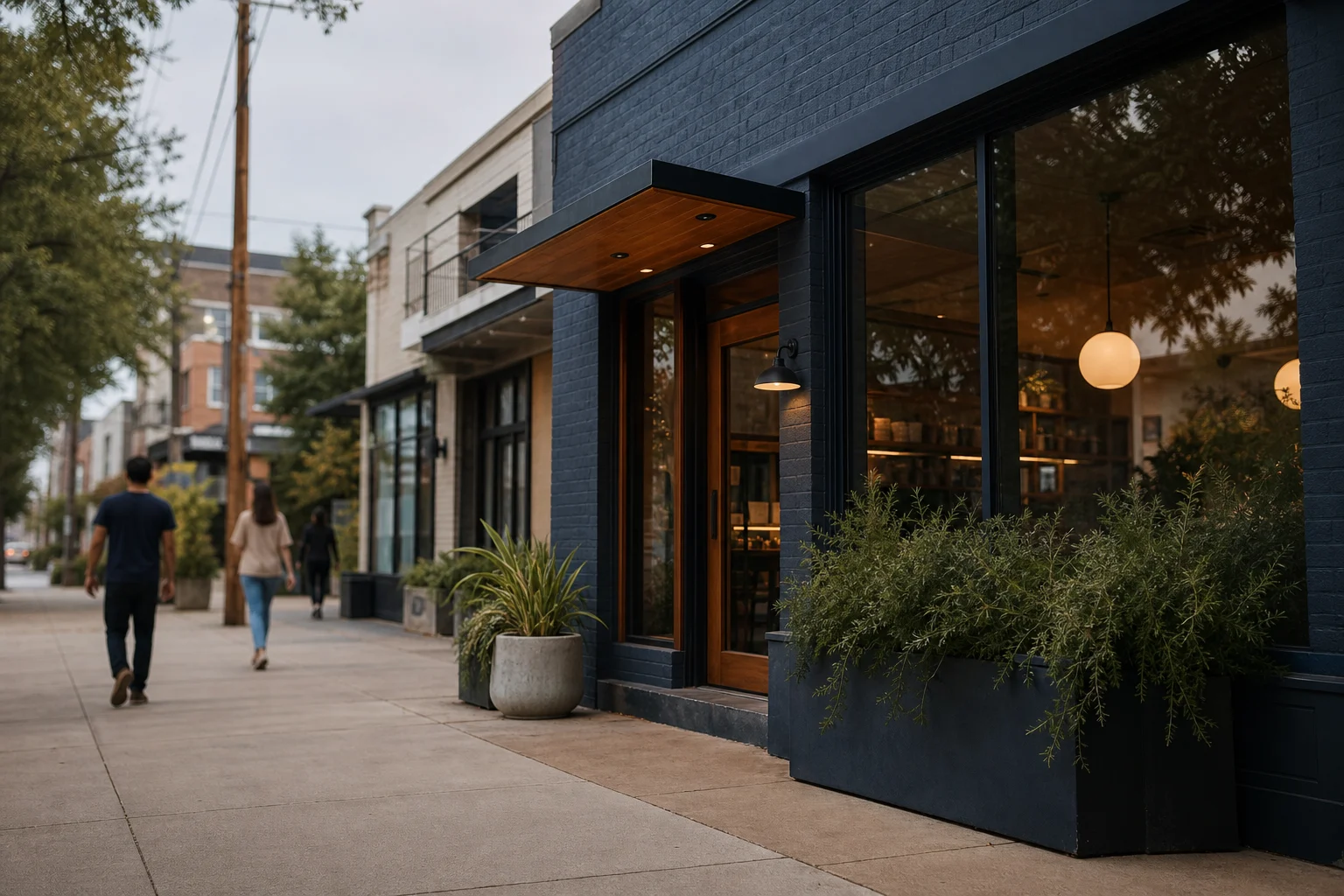
The permit stack to verify
Your ice cream shop will need multiple layers of approval. Think of this as a stack where each layer must be verified before moving to the next. Missing even one element can delay your opening or force operational changes after launch. The verification process should begin before signing any lease or committing to a location.
Minneapolis offers several promising neighborhoods for ice cream shops. Locavisor neighborhood scoring identifies three top areas with distinct characteristics. Each location presents different compliance considerations alongside market factors.
City, state, landlord, health, fire, signage, and tax registrations
City requirements form the foundation of your compliance stack. These include basic business registration and zoning verification. Minneapolis zoning laws dictate where food service operations can be established. Your chosen location must be properly zoned for food service businesses.
State requirements add another layer. Minnesota requires all food establishments to register with state authorities. This registration typically involves verifying your business structure and tax status.
Landlord requirements often catch new founders off guard. Before signing a lease, verify that the property allows food service operations. Some commercial leases contain restrictions on specific types of businesses. Your landlord may also require additional insurance or deposits.
Health regulations are particularly critical for ice cream shops. These cover food handling, storage, preparation, and service areas. Minneapolis health authorities will inspect your facility before granting approval. Focus on sanitation, temperature control, and proper food handling procedures.
Fire safety requirements address both the physical structure and operational practices. Your ice cream shop must meet fire codes for occupancy, exits, and equipment. Fire suppression systems may be required depending on your setup.
Signage regulations control what and where you can display business information. Minneapolis has specific rules about sign size, placement, and illumination. These rules vary by neighborhood and building type.
Tax registrations include both state and local requirements. Minneapolis requires businesses to collect and remit sales tax. You'll need to register with the appropriate tax authorities before opening.
Documents to collect before lease signing
Before committing to a location, gather critical documents. Verify the property's zoning classification through the city planning department. Request a certificate of occupancy for the space. This document confirms the building meets minimum safety standards.
Check if previous food service operations occupied the space. If so, request inspection reports and compliance documentation. This can reveal recurring issues that might affect your operation.
Review the property's utility capacity. Ice cream equipment requires significant electrical power and refrigeration capacity. Verify that the existing systems can support your needs without expensive upgrades.
Research neighborhood-specific regulations. Some Minneapolis neighborhoods have additional requirements beyond citywide standards. These might include operating hours, outdoor seating restrictions, or noise limitations.
What varies by ice cream shop format
Your shop format significantly impacts permit requirements. A traditional storefront has different needs than a food truck or kiosk. Each format presents unique compliance challenges.
Lowry Hill ranks #1 on paper thanks to a maxed-out office index and strong walkability near the Walker Art Center and Sculpture Garden. The catch: Sebastian Joe's Ice Cream Cafe sits 565m away with 2,042 reviews at 4.6★ — a dominant incumbent. This area's competition density is medium with a mixed market temperature and low rent level. Locavisor scoring shows 78% confidence in these metrics from the 2026-05 snapshot.
Stadium Village sits on the U of M campus with a maxed-out student index, strong walkability, and excellent transit via the light-rail station. No direct ice-cream competitors exist in the immediate area. Rent is moderate at roughly $30-50/sqft NNN. The trade-off: the customer archetype skews heavily student (low affluence), and the area goes quiet during summer break and between semesters.
Cedar-Riverside combines Augsburg University, the U of M West Bank, and the Cedar Cultural Center into a dense, walkable corridor with strong transit via the Cedar-Riverside light-rail station. No ice-cream competitors exist here. Rent is moderate at roughly $30-50/sqft NNN. The student + resident mix supports evening traffic, but affluence is below-average, capping price points.
Each neighborhood presents different compliance considerations. Lowry Hill's established food scene may have stricter enforcement. Stadium Village's campus location might require additional student-specific approvals. Cedar-Riverside's diverse community could involve additional cultural compliance considerations.
FAQ
What permits do I need for An Ice Cream Shop in Minneapolis?
Your ice cream shop will require multiple permits across different categories. These include basic business registration, zoning verification, and health department approvals. Fire safety compliance is mandatory, along with proper signage permits. Tax registration for sales tax collection is also required.
How long does the permit process take?
Processing times vary depending on the specific permits and your shop's complexity. Some approvals may be granted quickly, while others require inspections and multiple reviews. Begin the process early to avoid delays.
Can I operate without all permits?
Operating without proper permits can result in fines, forced closures, and legal action. Compliance is essential for long-term success. Verify all requirements before opening.
Do I need different permits for outdoor seating?
Outdoor seating typically requires additional permits. These may include sidewalk use approvals and expanded health inspections. Check with the city about specific outdoor dining requirements.
How do I verify zoning compliance?
Contact Minneapolis planning department to verify your desired location's zoning classification. Some areas have restrictions on food service businesses or specific operating conditions.
What health inspections will my ice cream shop undergo?
Health inspections focus on food safety, sanitation, and proper handling procedures. Inspectors will review your facility, equipment, and operational practices before granting approval.
Are there special requirements for homemade ice cream?
Homemade ice cream may face additional scrutiny regarding ingredient sourcing and production methods. Verify specific requirements with health authorities.
Do I need special equipment approvals?
Certain equipment may require additional approvals. This often includes commercial refrigeration, pasteurization systems, and food preparation machinery.
How often do I need to renew permits?
Permit renewal periods vary by type. Some require annual renewal, while others may be valid for multiple years. Maintain records of expiration dates to avoid lapses.
What happens if I fail an inspection?
Failed inspections typically require corrective actions before reinspection. The specific process depends on the nature of the violations and their severity. Address issues promptly to reopen.
Last reviewed: 2026-05-08
Sources: U.S. Census Bureau ACS, LEHD LODES, Google Places, OpenStreetMap, Locavisor neighborhood scoring.
Methodology: Locavisor scores neighborhoods across demand, competition fit, rent fit, accessibility, and customer match. Scores reflect a snapshot of recent data and should be combined with on-the-ground research before lease decisions.
Disclaimer: This article provides informational content only and does not constitute legal, financial, accounting, or real-estate advice. Verify lease terms, licensing, local regulations, costs, and professional requirements with qualified local professionals before making business decisions.
Free preview shows top 3 neighborhoods. Full $9.99 report covers all 10 areas with personalized scoring + 90-day check-ins.
Informational only. Verify lease, licensing, local regulations, costs, and professional requirements with qualified local professionals.