New Orleans, LA · ice cream shop
Ice cream shop permits New Orleans
Opening an ice cream shop in New Orleans requires navigating a complex web of permits and licenses. The city's unique regulatory environment, combined with its vibrant food culture, means founders must be thorough in their compliance efforts. This guide breaks down the essential permits and licenses you'll need to verify when planning your ice cream shop in New Orleans.
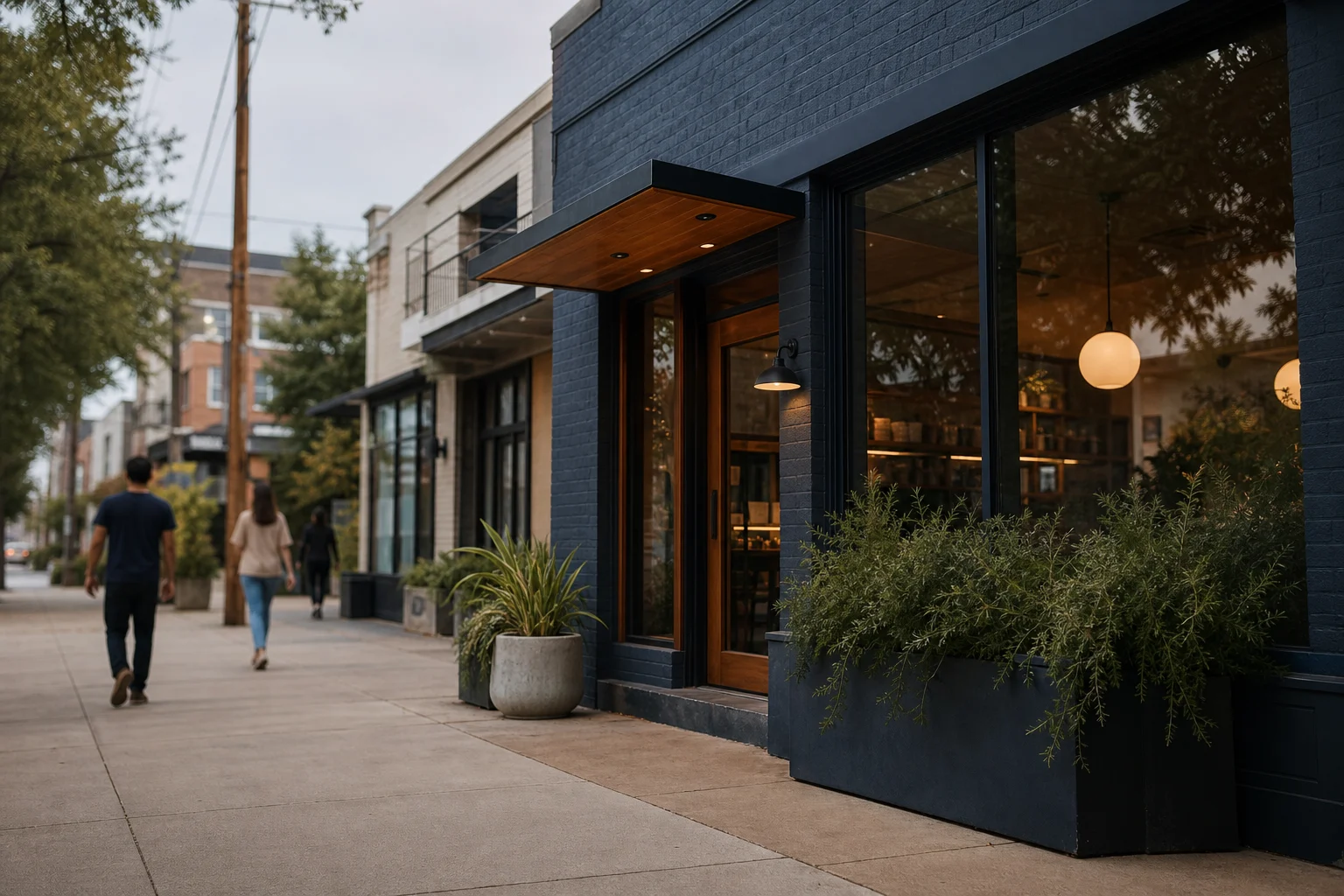
The permit stack to verify
Before signing any lease or making significant investments, founders must verify a comprehensive stack of permits and licenses. The process involves multiple layers of regulation from city, state, and federal authorities. Each category requires specific documentation and approvals before you can legally operate your ice cream shop in New Orleans.
The French Quarter presents an opportunity with a score of 5.3/10, making it the highest-traffic tourist corridor in New Orleans — Jackson Square, Bourbon St, and Canal Place within walking distance. Two existing ice cream shops (Kilwins at 4.5★/1,067 reviews, O.K. Ice Cream at 4.7★/71 reviews) prove demand but also mean you're entering a proven market. Walkability is near ceiling, and the evening daypart is strong.
The Tulane / Loyola Area also scores 5.3/10 and sits at the intersection of two major universities, strong office density, and the St. Charles streetcar line. The daytime worker pool is substantial — expect strong lunch traffic from office workers and campus crowds. Walkability is well above average, and transit access is city-leading.
The CBD / Warehouse District combines convention-center traffic, Superdome event crowds, and a growing residential base in converted warehouse lofts with a score of 5.0/10. Walkability is strong, and the daytime worker pool is large. The only ice cream competitor (Vice Cream, 5★/2 reviews) is negligible.
City, state, landlord, health, fire, signage, and tax registrations
Your ice cream shop permits New Orleans journey begins with city-level registrations. These typically include basic business operating licenses and may have specific requirements for food service establishments. The city's regulatory environment is shaped by its unique cultural and economic landscape.
State-level requirements in Louisiana will include general business registration and potentially specific food service certifications. The state's Department of Health and Hospitals oversees food safety regulations that apply to all ice cream shops, regardless of location.
Landlord approvals are often overlooked but essential. Before signing any lease, verify that the property is zoned for your intended use and that the landlord provides necessary documentation for your business operations. This includes confirming that the space meets building code requirements for your specific ice cream shop format.
Health permits are critical for any food service business. New Orleans has specific health codes that govern food preparation, storage, and service. These regulations ensure customer safety and maintain the city's high standards for food establishments.
Fire safety compliance is non-negotiable. Your ice cream shop must meet all fire safety regulations, including proper exits, fire suppression systems, and electrical safety measures. The city's historic buildings often have additional requirements that must be addressed.
Signage regulations in New Orleans can be particularly complex, especially in historic districts like the French Quarter. Local ordinances govern size, placement, and illumination of signs, with additional restrictions in certain areas.
Tax registrations include both state sales tax permits and local business tax certificates. These are essential for collecting and remitting sales tax on your ice cream products. The city's tourism-driven economy means sales tax compliance is particularly important.
Documents to collect before lease signing
Before committing to a location, gather all necessary documentation to ensure a smooth permitting process. This includes verifying property zoning classifications and confirming that the space meets all health and safety requirements.
Research the specific neighborhood regulations for your chosen location. The French Quarter, Tulane / Loyola Area, and CBD / Warehouse District each have their own character and regulatory considerations. Understanding these nuances can prevent costly delays later in the process.
Obtain copies of all existing permits for the property, if applicable. This includes any previous food service permits, building certificates, and fire safety approvals. These documents provide valuable insight into what will be required for your ice cream shop.
Review the lease agreement carefully for clauses related to renovations, maintenance, and compliance with local regulations. Your landlord may have specific requirements that must be incorporated into your business plan.
Consult with local business associations for guidance on the permitting process. Organizations like the New Orleans Business Alliance can provide valuable insights and connections that facilitate navigating the regulatory landscape.
What varies by ice cream shop format
The specific permits and licenses required for your ice cream shop will vary depending on your business format. A traditional scoop shop has different requirements than a mobile ice cream cart or a combination ice cream café.
Full-service ice cream shops with seating areas typically face more stringent health and safety regulations. These establishments must meet additional requirements for sanitation, waste management, and customer facilities.
Mobile ice cream vendors have unique permitting challenges. New Orleans regulates mobile food vendors through specific ordinances that address locations, operating hours, and health standards. These regulations can change seasonally, particularly in high-traffic tourist areas.
Seasonal ice cream shops, particularly those operating during festivals or in tourist-heavy areas, may have different permitting requirements. These temporary establishments often need special event permits and may face additional inspections.
Ice cream shops producing their own products on-site must comply with additional manufacturing regulations. This includes equipment standards, ingredient sourcing documentation, and production process approvals.
FAQ
What permits do I need for An Ice Cream Shop in New Orleans?
Your ice cream shop will require a combination of city, state, and federal permits. These typically include basic business operating licenses, health permits, fire safety certifications, and tax registrations. The specific requirements vary based on your location, business format, and scale of operations.
How long does the permitting process take in New Orleans?
The timeline for obtaining all necessary permits can vary significantly depending on your specific circumstances and the completeness of your application. Some permits may be issued quickly, while others, particularly health and building permits, may require multiple inspections and approvals.
Are there special considerations for ice cream shops in historic districts?
Yes, historic districts like the French Quarter have additional regulations governing renovations, signage, and exterior modifications. These districts often require review by historic preservation committees, which can extend the permitting timeline.
Do I need different permits for outdoor seating?
Outdoor seating typically requires additional permits and approvals. These may include sidewalk café permits, outdoor furniture approvals, and extensions of your existing health and fire safety certifications to cover the outdoor area.
What are the most common reasons for permit application delays?
Incomplete applications, zoning issues, and failed inspections are the most common causes of delays. Thorough preparation and attention to detail can help avoid these pitfalls and keep your permitting process on track.
Last reviewed: 2026-05-08
Sources: U.S. Census Bureau ACS, LEHD LODES, Google Places, OpenStreetMap, Locavisor neighborhood scoring.
Methodology: Locavisor scores neighborhoods across demand, competition fit, rent fit, accessibility, and customer match. Scores reflect a snapshot of recent data and should be combined with on-the-ground research before lease decisions.
Disclaimer: This article provides informational content only and does not constitute legal, financial, accounting, or real-estate advice. Verify lease terms, licensing, local regulations, costs, and professional requirements with qualified local professionals before making business decisions.
Free preview shows top 3 neighborhoods. Full $9.99 report covers all 10 areas with personalized scoring + 90-day check-ins.
Informational only. Verify lease, licensing, local regulations, costs, and professional requirements with qualified local professionals.