San Antonio, TX · ice cream shop
Ice cream shop permits San Antonio
Opening an ice cream shop in San Antonio requires careful planning and understanding of the local permitting landscape. Before you sign a lease or invest in equipment, you need to know what licenses and permits are required to operate legally in the city. This guide will walk you through the essential permits, where to find them, and how to navigate the process successfully.
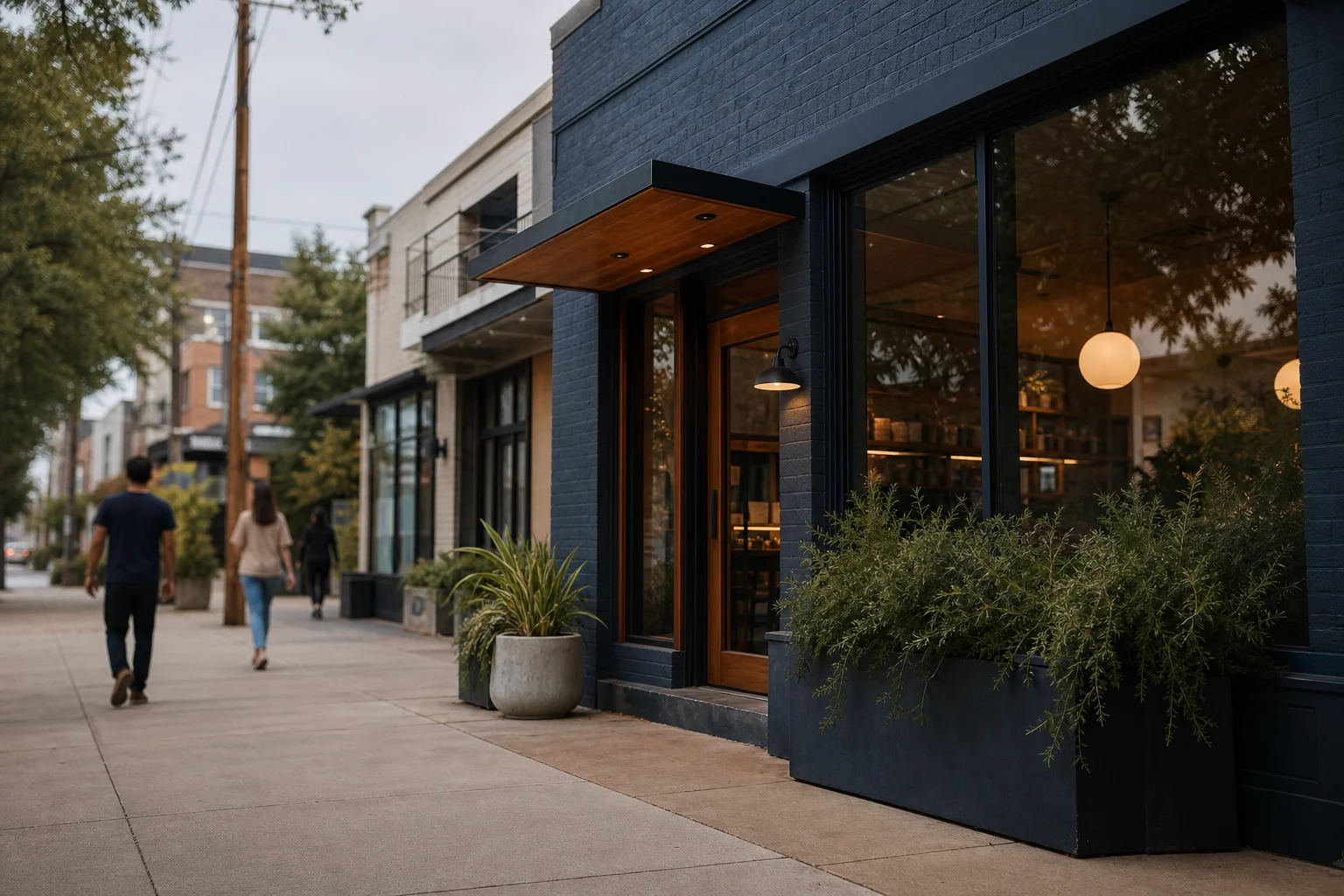
Why permits matter before you sign a lease
Securing the right permits before committing to a location can save you significant time and money. Many entrepreneurs make the mistake of signing a lease first, only to discover that the property doesn't meet health department requirements or zoning regulations. This can lead to costly renovations, delays, or even the inability to open your business.
The permitting process in San Antonio involves multiple city and state agencies. Each has specific requirements that must be met before you can obtain your business license. Understanding these requirements upfront helps you choose a location that's already compliant or identify necessary improvements early in your planning process.
Local ice cream shops like Lick Honest Ice Creams in Southtown and Mr Ice Cream in Downtown San Antonio have successfully navigated this process. Studying their locations and operations can provide valuable insights into what the city expects from new businesses.
Required permits and licenses for a ice cream shop in San Antonio
The question "What permits do I need to open a ice cream shop in San Antonio?" has several answers depending on your specific business model. Generally, you'll need:
- Business license from the City of San Antonio
- Food establishment permit from the San Antonio Metropolitan Health District
- Texas sales tax permit from the Comptroller of Texas
- Signage permit if you plan to install exterior signage
- Alcohol permit if you'll serve alcoholic beverages
- Building permit for any construction or major renovations
The food establishment permit is particularly important for ice cream shops, as it covers your kitchen operations, food storage, and preparation areas. The health department will inspect your facility to ensure it meets sanitation standards and has proper equipment for food safety.
For new businesses, the application process typically requires detailed floor plans, equipment specifications, and proof of insurance. The health department may also require you to complete a food safety course before approving your permit.
Realistic timeline from application to opening
The permitting timeline in San Antonio can vary significantly depending on your business type and the complexity of your application. For a standard ice cream shop, you can expect:
- a variable local timeline for the initial business license approval
- a variable local timeline for the food establishment permit (including inspection)
- a variable local timeline for sales tax permit
- a variable local timeline for signage permit (if required)
These timelines assume no complications or additional requirements. If your location requires zoning changes or significant renovations, the process could extend to several months.
Many successful ice cream shops in San Antonio, like Amorino Gelato on the Riverwalk and Kilwins Ice Cream downtown, planned for these timelines when opening their businesses. They built buffer time into their launch schedules to accommodate any unexpected delays.
Common reasons applications get rejected in San Antonio
Understanding why permits get rejected can help you avoid these pitfalls. Common issues include:
- Incomplete applications: Missing signatures, fees, or required documents
- Non-compliant kitchen layout: Improper spacing, insufficient ventilation, or inadequate storage
- Insufficient equipment: Lack of required refrigeration, handwashing stations, or food safety tools
- Zoning violations: Operating in an area not zoned for food service
- Health code violations: Issues with plumbing, electrical, or sanitation
The San Antonio Metropolitan Health District is particularly thorough in their inspections. They follow strict guidelines to ensure public safety, which means even minor oversights can delay your approval.
Reviewing the experiences of local operators can provide valuable insights. For example, one ice cream shop faced delays due to inconsistent soup inventory and staff training issues, highlighting the importance of thorough preparation.
How to budget for permits and inspections
Permit costs in San Antonio vary based on your business type and location. While exact fees aren't always public, you should budget for:
These costs don't include potential renovations to meet code requirements. The neighborhoods with higher rent bands, like Downtown San Antonio ($40/sqft/yr NNN), may have more stringent requirements that increase your upfront costs.
Successful ice cream shop owners often work with local consultants who understand San Antonio's specific requirements. This investment can save time and prevent costly mistakes during the permitting process.
Quick reference - which neighborhoods minimize permit friction
When choosing a location, consider neighborhoods that have a history of supporting food businesses and may have more streamlined permitting processes. Based on Locavisor research, these top neighborhoods for ice cream shops in San Antonio offer different advantages:
| Neighborhood | Score | Rent Band | Key Advantages |
|---|---|---|---|
| Southtown | 6.4/10 | $22-$48/sqft/yr NNN | Established food scene, transit access |
| Downtown San Antonio | 6.3/10 | $40/sqft/yr NNN | High foot traffic, tourist appeal |
| King William | 6.0/10 | $22-$48/sqft/yr NNN | Historic charm, growing food scene |
| Pearl District | 6.0/10 | $22-$48/sqft/yr NNN | Upscale market, tourist destination |
| West Side / Westside | 6.0/10 | $22-$48/sqft/yr NNN | Lower costs, community focus |
Southtown, with its score of 6.4/10 and rent band of $22-$48/sqft/yr NNN, has proven successful for Lick Honest Ice Creams. The neighborhood offers a balance of affordability and established infrastructure that supports new food businesses.
Downtown San Antonio, scoring 6.3/10 with a higher rent band of $40/sqft/yr NNN, provides high visibility but may come with more regulatory scrutiny due to its tourist-heavy location.
FAQ
Q: Do I need a special permit for outdoor seating at my ice cream shop? A: Yes, outdoor seating in San Antonio typically requires a separate permit from the city's development services department. You'll need to submit plans showing your seating arrangement, ensuring it doesn't obstruct pedestrian traffic or violate zoning regulations.
Q: How do health inspections work for ice cream shops in San Antonio? A: The San Antonio Metropolitan Health District conducts unannounced inspections at least twice per year. They focus on food storage temperatures, cleanliness, employee hygiene, and proper food handling procedures. Ice cream shops like Justin's Ice Cream Co have built their operations around meeting these standards.
Q: Can I operate a mobile ice cream truck in San Antonio? A: Yes, but you'll need a mobile food vendor permit from the city and must comply with specific parking and operational regulations. Coco Leché Chocolatier offers ice cream truck rentals in Downtown San Antonio, demonstrating that mobile operations are possible with the right permits.
Last reviewed: 2026-05-30
Sources: U.S. Census Bureau ACS, LEHD LODES, Google Places, OpenStreetMap, Locavisor neighborhood scoring.
Methodology: Locavisor scores neighborhoods across demand, competition fit, rent fit, accessibility, and customer match. Scores reflect a snapshot of recent data and should be combined with on-the-ground research before lease decisions.
Disclaimer: This article provides informational content only and does not constitute legal, financial, accounting, or real-estate advice. Verify lease terms, licensing, local regulations, costs, and professional requirements with qualified local professionals before making business decisions.
Free preview shows top 3 neighborhoods. Full $9.99 report covers all 10 areas with personalized scoring + 90-day check-ins.
Informational only. Verify lease, licensing, local regulations, costs, and professional requirements with qualified local professionals.