San Jose, CA · ice cream shop
Ice cream shop permits San Jose
Opening an ice cream shop in San Jose requires navigating a complex web of permits and licenses. This ice cream shop permits San Jose checklist breaks down the requirements you'll need to verify before opening your doors. The process involves multiple layers of compliance from different authorities. 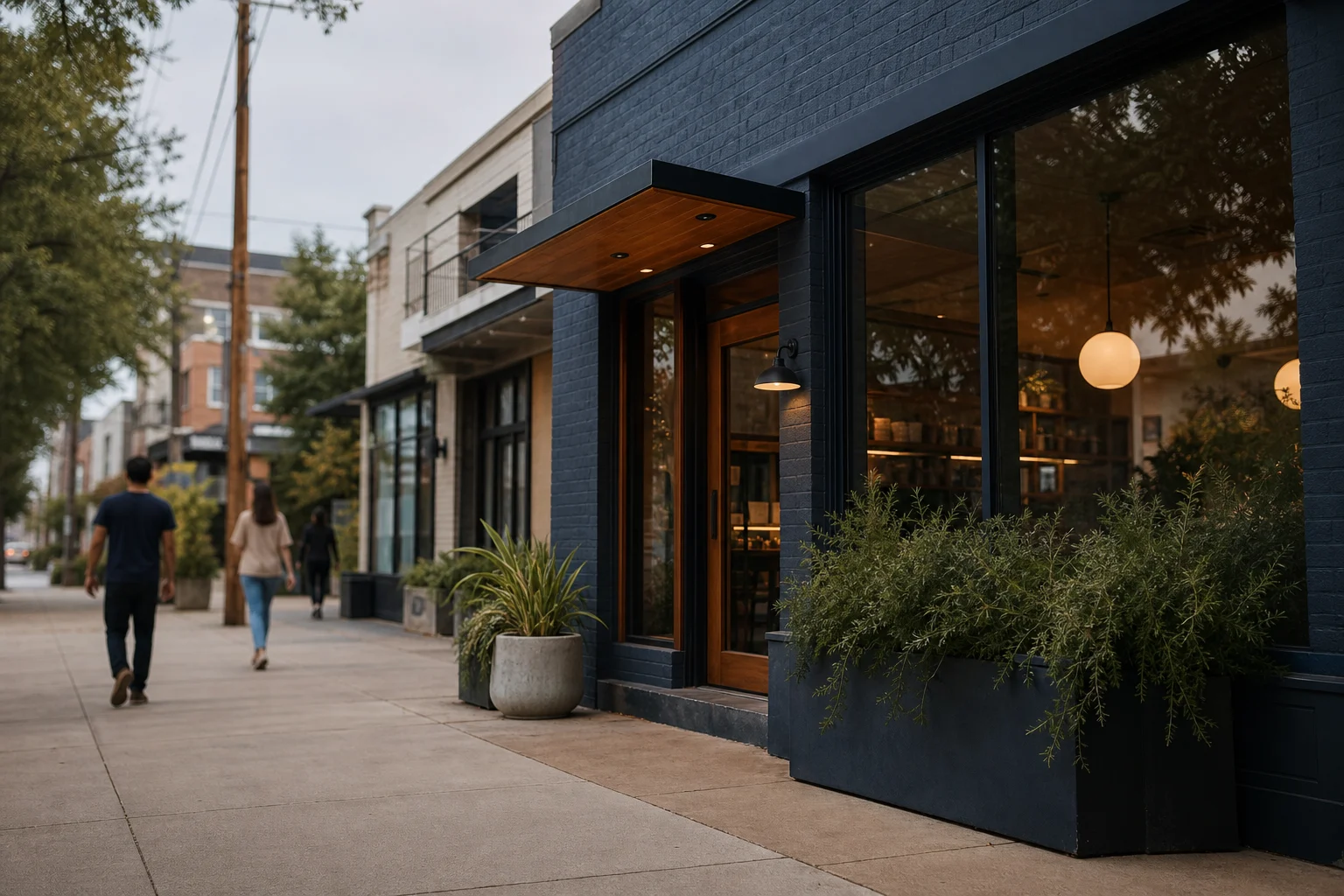
The permit stack to verify
Your ice cream shop will need permits from several different sources. Each category serves a specific purpose in ensuring your business operates legally and safely. The checklist below separates these requirements into manageable sections. This approach helps you track progress and identify potential gaps early in your planning process.
City, state, landlord, health, fire, signage, and tax registrations
City requirements form the foundation of your compliance efforts. San Jose will have specific regulations for food service businesses. These typically include business operating permits and zoning compliance verification. The city may also have requirements for waste management and public sidewalk usage.
State requirements extend beyond city regulations. California mandates specific licenses for food establishments. You'll need to verify state sales tax collection requirements. The state may also have additional labor regulations that apply to your business model.
Landlord requirements often get overlooked in the planning process. Your lease agreement will specify conditions for property alterations. Landlords typically require proof of adequate insurance coverage. You may need landlord approval for specific equipment installations or operational changes.
Health department requirements focus on food safety and sanitation. Your ice cream production and storage areas must meet specific standards. Employee hygiene protocols will be subject to health department review. Regular inspections will verify compliance with food handling regulations.
Fire department requirements address safety concerns specific to your business. Your electrical systems must meet fire safety standards. Fire suppression equipment may be required depending on your setup. Emergency exit routes must remain unobstructed and clearly marked.
Signage regulations control the visual impact of your business. San Jose has specific rules about sign size and placement. Illumination requirements may apply to certain types of signs. Historic districts often have additional signage restrictions.
Tax registrations include multiple components at both state and local levels. You'll need to register for sales tax collection. Business property taxes may apply depending on your lease structure. Local business license taxes are also common in San Jose.
Documents to collect before lease signing
Before committing to a location, gather documentation that will streamline your permitting process. Neighborhood-specific considerations should influence your document collection strategy. The top three areas for ice cream shops in San Jose each present unique opportunities and challenges.
Downtown San Jose (6.7/10) ranks #1 for ice cream thanks to maxed-out walkability, strong evening and late-night daypart scores, and zero direct ice-cream competitors within the core. San Pedro Square Market and SJSU provide built-in foot traffic. Expect roughly $45-70/sqft NNN — a neighborhood-corridor price for an urban-core location. Documentation should verify compliance with downtown zoning regulations and any special event requirements.
Japantown (6.4/10) scores #2 with excellent walkability, strong evening vibrancy, and zero direct ice-cream competitors. The historic Jackson St corridor draws tourists and locals alike, anchored by the Japanese American Museum and a dense restaurant row. Expect roughly $30-50/sqft NNN — neighborhood-corridor pricing. Collect documentation related to historic preservation guidelines and cultural district considerations.
Little Saigon (Story Rd) (6.1/10) ranks #3 with maxed-out walkability, strong residential density, and the highest retail anchor score of any area. Two existing ice-cream shops — Marco Polo Italian Ice Cream (4.6★, 297 reviews) and a Baskin-Robbins (4.5★, 221 reviews) — mean you're not alone, but the corridor's foot traffic and family density are unmatched. Expect roughly $45-70/sqft NNN. Documentation should verify compliance with retail overlay requirements and parking regulations.
What varies by ice cream shop format
Your ice cream shop format significantly impacts your permitting requirements. Brick-and-mortar locations typically require the full suite of permits. Mobile ice cream vendors face different regulatory considerations. Seasonal operations may have simplified requirements but need to verify compliance during active months.
Brick-and-mortar shops require building permits for any construction or significant alterations. Health department inspections will be more comprehensive for fixed locations. Fire safety requirements are typically more stringent for permanent establishments. Parking and accessibility standards apply to traditional storefront locations.
Mobile vendors need specialized permits for food service vehicles. Health department inspections focus on mobile equipment sanitation. Parking restrictions and operational boundaries must be clearly defined. Some areas may have specific time or location restrictions for mobile vendors.
Seasonal operations should verify that all permits remain valid during operating periods. Temporary health permits may be available for seasonal businesses. Signage regulations might differ for temporary installations. Insurance requirements could vary based on seasonal operating schedules.
FAQ
What permits do I need for An Ice Cream Shop in San Jose?
Your ice cream shop will need permits from multiple authorities. City permits typically include business operating licenses and zoning compliance verification. State requirements usually include food service establishment registration. Landlord approval is necessary for any property alterations. Health department permits cover food safety and sanitation protocols. Fire safety permits ensure your equipment and layout meet safety standards. Signage permits regulate the size, placement, and illumination of your business signs. Tax registrations include sales tax collection authorization and business property tax registration. Professional review is recommended to ensure you've covered all requirements specific to your business model and location.
Last reviewed: 2026-05-08
Sources: U.S. Census Bureau ACS, LEHD LODES, Google Places, OpenStreetMap, Locavisor neighborhood scoring.
Methodology: Locavisor scores neighborhoods across demand, competition fit, rent fit, accessibility, and customer match. Scores reflect a snapshot of recent data and should be combined with on-the-ground research before lease decisions.
Disclaimer: This article provides informational content only and does not constitute legal, financial, accounting, or real-estate advice. Verify lease terms, licensing, local regulations, costs, and professional requirements with qualified local professionals before making business decisions.
Free preview shows top 3 neighborhoods. Full $9.99 report covers all 10 areas with personalized scoring + 90-day check-ins.
Informational only. Verify lease, licensing, local regulations, costs, and professional requirements with qualified local professionals.