Seattle, WA · ice cream shop
Ice cream shop permits Seattle
Opening an ice cream shop in Seattle requires navigating a complex web of permits and licenses. The city's vibrant food scene offers promising opportunities, but understanding the regulatory landscape is crucial for success. 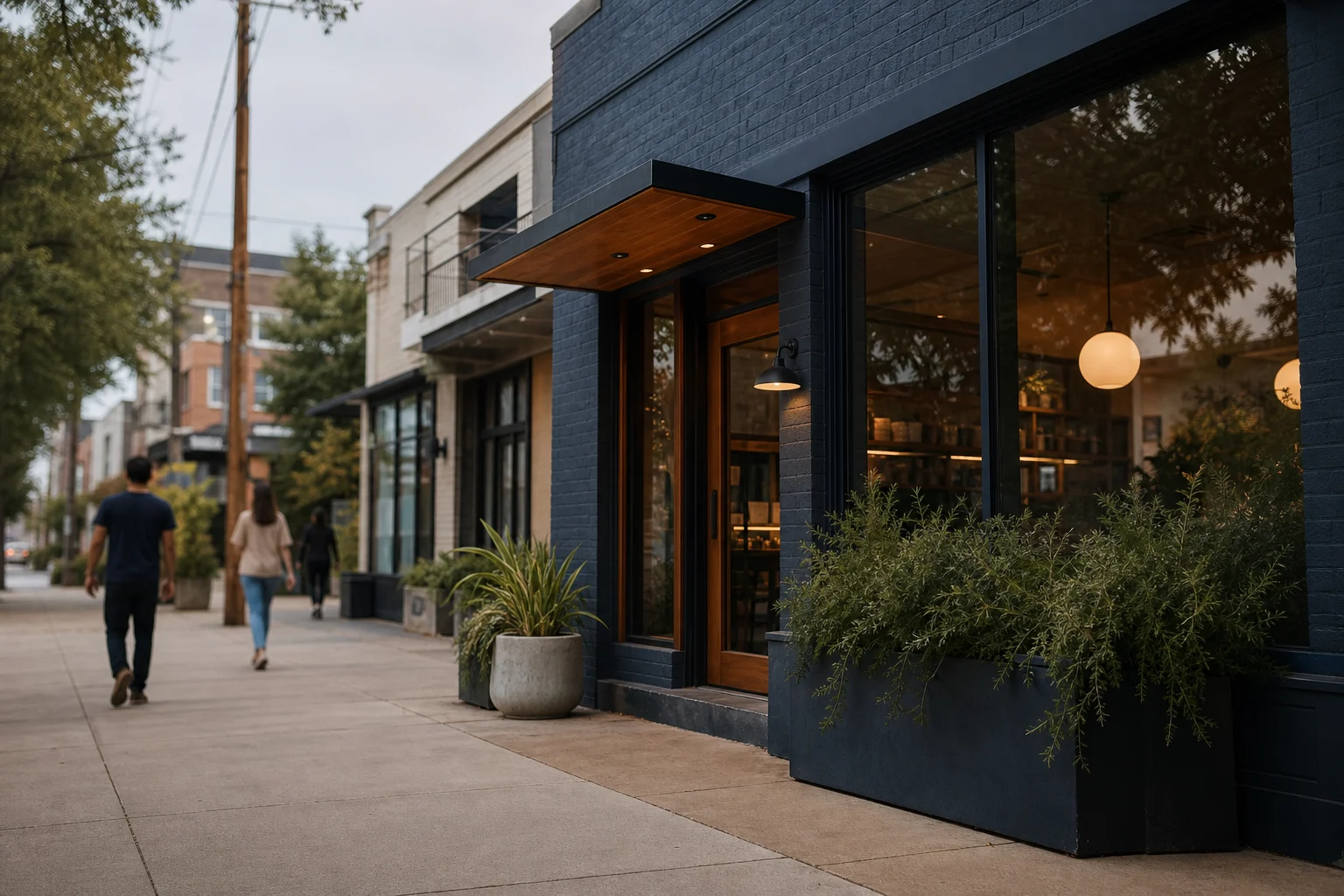
The permit stack to verify
Before signing a lease or purchasing equipment, founders must verify the complete permit stack. This includes city, state, landlord, health, fire, signage, and tax registrations. Each category serves a specific purpose in ensuring your ice cream shop operates legally and safely. Missing even one component can delay opening or result in costly penalties.
City, state, landlord, health, fire, signage, and tax registrations
City requirements typically include basic business registration and zoning compliance. Seattle's zoning regulations determine where ice cream shops can operate and may impose specific restrictions based on location. State requirements generally involve business registration and sales tax collection. The Washington State Department of Revenue handles sales tax matters, which ice cream shops must comply with regardless of location.
Landlord requirements often include additional permits beyond city and state requirements. These may relate to building modifications or specific operational conditions outlined in your lease agreement. Health requirements focus on food safety and handling protocols. Ice cream shops must demonstrate compliance with health codes regarding storage, preparation, and service areas.
Fire requirements address safety standards for equipment and customer areas. These regulations ensure your shop meets minimum safety thresholds for electrical systems, fire extinguishers, and emergency exits. Signage requirements govern the size, placement, and illumination of business signs. These rules vary by neighborhood and building type.
Tax requirements include not only sales tax collection but also employer taxes if you plan to hire staff. Seattle's business and occupation tax applies to most retail operations, including ice cream shops. Insurance requirements typically include general liability and property coverage, which many landlords and city regulations mandate.
Documents to collect before lease signing
Before committing to a location, collect all relevant documentation. This includes zoning verification confirming the property allows ice cream shop operations. Obtain building code compliance documentation if renovations are planned. Health department guidelines for food service establishments provide valuable insights into requirements.
Review your lease for any additional permit obligations. Some landlords require specific approvals for equipment installation or operational changes. Gather information about utility requirements and capacity, especially for refrigeration systems. Seattle's energy codes may impact equipment selection and installation.
What varies by ice cream shop format
The format of your ice cream shop significantly impacts permit requirements. A traditional storefront with seating faces different regulations than a mobile ice cream cart or kiosk. Seasonal operations may have simplified requirements but must still comply with health and safety standards.
International District / Chinatown-ID (7.0/10) offers a promising location with zero direct competitors despite heavy foot traffic from Uwajimaya, light rail, and tourist draws like the Historic Chinatown Gate. Rent is moderate for Seattle — expect roughly $30-50/sqft NNN — and the walkability score is near ceiling. The late-night daypart is workable but not strong, so lean into afternoon/evening impulse buys.
Pioneer Square (7.0/10) ranks second with the highest office density in the dataset — strong weekday lunch dessert demand from the 9-5 workforce. Three existing ice cream shops within 800m (Molly Moon's at 4.4★/160 reviews, Seattle Bay Creamery at 2.7★/127 reviews, Ben & Jerry's at 4.6★/5 reviews) create a competitive but not saturated field.
Capitol Hill (6.8/10) is Seattle's iconic F&B corridor with maxed-out office density and strong evening/bar culture. No dedicated ice cream shops found in the immediate search area, though adjacent dessert operators like Yumm Mochi (4.6★, 304 reviews) and Top Pot Doughnuts (4.6★, 472 reviews) show strong dessert demand.
FAQ
What permits do I need for An Ice Cream Shop in Seattle?
You'll need a combination of city, state, landlord, health, fire, signage, and tax registrations. The specific requirements depend on your shop's format, location, and operational details. Before opening, verify all necessary permits to avoid delays or penalties. Consulting with local professionals familiar with Seattle's regulations can help ensure compliance.
Last reviewed: 2026-05-08
Sources: U.S. Census Bureau ACS, LEHD LODES, Google Places, OpenStreetMap, Locavisor neighborhood scoring.
Methodology: Locavisor scores neighborhoods across demand, competition fit, rent fit, accessibility, and customer match. Scores reflect a snapshot of recent data and should be combined with on-the-ground research before lease decisions.
Disclaimer: This article provides informational content only and does not constitute legal, financial, accounting, or real-estate advice. Verify lease terms, licensing, local regulations, costs, and professional requirements with qualified local professionals before making business decisions.
Free preview shows top 3 neighborhoods. Full $9.99 report covers all 10 areas with personalized scoring + 90-day check-ins.
Informational only. Verify lease, licensing, local regulations, costs, and professional requirements with qualified local professionals.