Atlanta, GA · juice and smoothie bar
Juice and smoothie bar permits Atlanta
Opening a juice and smoothie bar in Atlanta requires navigating a specific set of permits and licenses. Before you blend your first smoothie or press your first juice, you'll need to ensure compliance with local regulations. This guide breaks down the essential permits and licenses you'll need for your Atlanta juice and smoothie bar, helping you avoid costly delays and compliance issues.
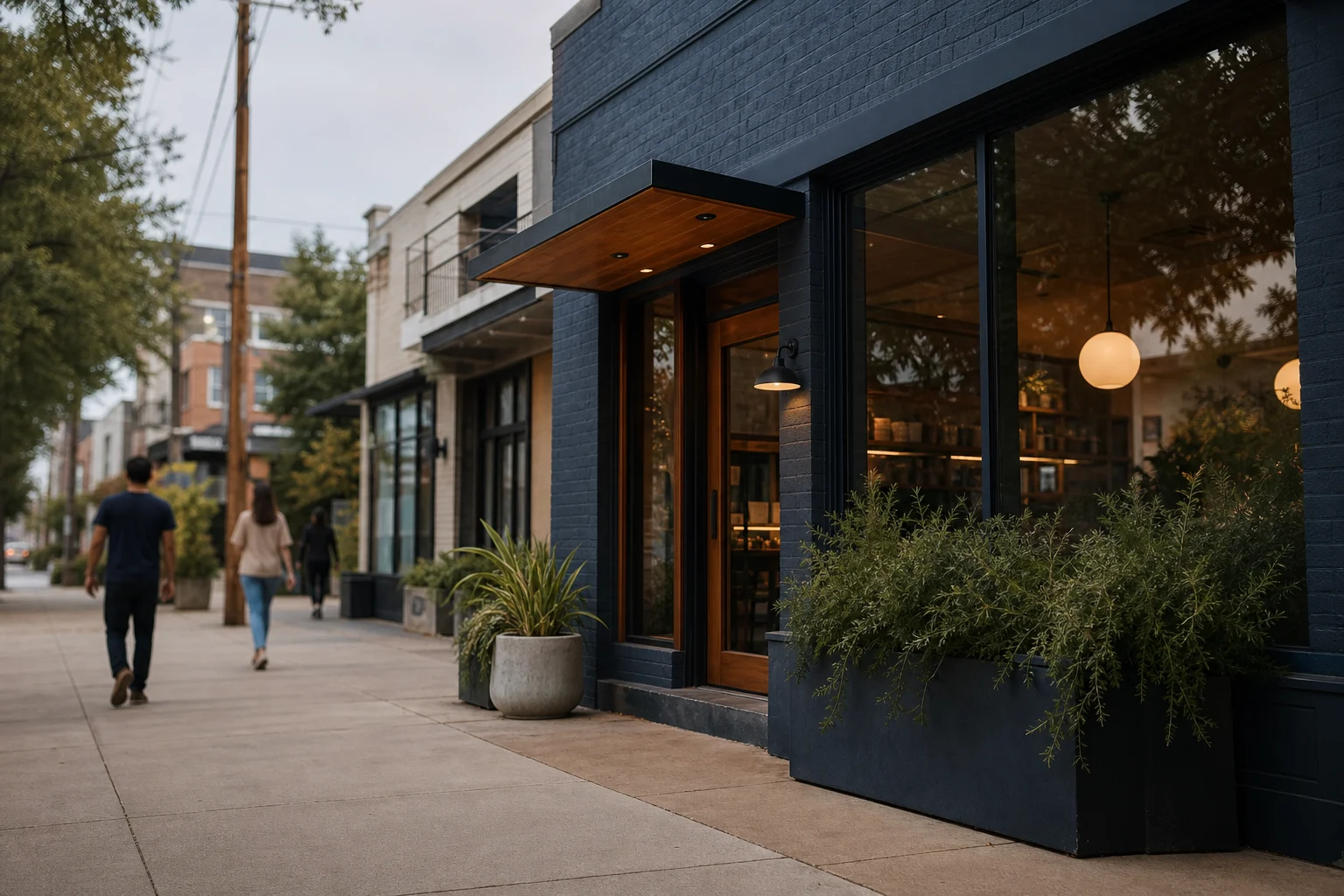
The permit stack to verify
When planning your juice and smoothie bar in Atlanta, understanding the local market is crucial. Locavisor neighborhood scoring identifies Atlantic Station as the top-ranked area for a juice-smoothie concept with a score of 7.2/10. This master-planned mixed-use hub has zero direct competitors and serves 10,500+ weekday office workers within 800m, plus SCAD Atlanta nearby. The market temperature is promising with medium competition density, though rent is high at roughly $90-140/sqft NNN.
Downtown Atlanta ranks second with a 6.8/10 score. It offers the highest concentration of juice-smoothie demand drivers including GSU (30,000+ students), state office buildings, CNN Center, and convention traffic. However, rent is near-trophy level at roughly $90-140/sqft NNN, and there are five existing juice-smoothie operators within 800m, including Smoothie King (4.0★, 293 reviews) and Centennial Juice Bar (4.8★, 17 reviews).
Smyrna / Vinings also scores 6.8/10, presenting a suburban-neighborhood corridor with one established juice operator (Arden's Garden Juice Bar & Smoothies Vinings at 4.7★, 345 reviews). Rent is moderate at roughly $45-70/sqft NNN, with strong office demand near Cumberland Mall and Vinings Jubilee. This location is car-dependent with lower walkability and weak transit options.
City, state, landlord, health, fire, signage, and tax registrations
Your Atlanta juice and smoothie bar will require multiple layers of permits and registrations. City-level requirements typically include basic business registration and zoning verification. State-level requirements often involve sales tax registration and possibly specialized food service certifications.
Landlord approvals are essential before any construction or renovation begins. Health permits are critical for any food service establishment, ensuring your facility meets sanitation standards. Fire safety compliance is non-negotiable, requiring proper equipment and emergency protocols. Signage permits regulate the size, placement, and illumination of your business signs. Tax registrations include both state and local business taxes.
Professional review of your compliance documents is recommended before submission. An attorney or consultant familiar with Atlanta's food service regulations can identify potential issues early, saving you time and money in the long run.
Documents to collect before lease signing
Before signing a lease for your Atlanta juice and smoothie bar, gather all necessary documentation. Verify zoning regulations for your specific location to ensure juice and smoothie operations are permitted. Research historical compliance issues at the property that might affect your business.
Review any existing health department ratings for previous food service tenants. Check for recent fire safety inspections and any outstanding issues. Understand signage restrictions in the area, including size limitations and prohibited locations.
Confirm tax obligations specific to your location within Atlanta. Review insurance requirements specified in the lease agreement. Consult with professionals who can evaluate these documents before you commit to a long-term lease.
What varies by juice and smoothie bar format
The specific permits required for your Atlanta juice and smoothie bar may vary based on your business format. A juice bar with limited food preparation might have different requirements than a full-service smoothie bar offering food items. Mobile juice carts face different regulations than brick-and-mortar locations.
Your hours of operation can impact permit requirements. Late-night establishments often have additional security and noise considerations. If you plan to offer alcohol with your juice or smoothie specials, additional permits will be necessary.
The scale of your operation matters too. Small neighborhood juice bars have different compliance needs than larger establishments with multiple employees. Your specific menu offerings may trigger additional health and safety regulations.
FAQ
What permits do I need for A Juice and Smoothie Bar in Atlanta?
You'll need a combination of city business registration, state tax registration, health permits, fire safety compliance, and signage approval. Specific requirements depend on your location, business format, and scale of operations.
How long does it take to get all permits for a juice and smoothie bar in Atlanta?
Processing times vary depending on the type of permit and current workload. Some permits may be issued quickly, while others, especially health department approvals, may require multiple inspections and take longer to obtain.
Can I operate a juice and smoothie bar from a food truck or cart in Atlanta?
Mobile juice operations are permitted in Atlanta but require specific mobile vendor permits and must comply with health department regulations for mobile food service. Locations may be restricted to certain zones or times.
What are the common reasons for permit denials for juice and smoothie bars in Atlanta?
Common reasons for denial include zoning violations, inadequate health and safety facilities, improper waste disposal plans, insufficient parking, and failure to meet building code requirements.
Do I need special permits to sell pre-packaged juices in Atlanta?
Pre-packaged juice sales typically require less stringent permits than freshly prepared items, but you still need basic business registration and may need special labeling approvals depending on your distribution method.
How often do I need to renew my juice and smoothie bar permits in Atlanta?
Most permits require annual renewal, though some may have different renewal cycles. Check with the appropriate city and state agencies for specific renewal requirements and deadlines.
Last reviewed: 2026-05-08
Sources: U.S. Census Bureau ACS, LEHD LODES, Google Places, OpenStreetMap, Locavisor neighborhood scoring.
Methodology: Locavisor scores neighborhoods across demand, competition fit, rent fit, accessibility, and customer match. Scores reflect a snapshot of recent data and should be combined with on-the-ground research before lease decisions.
Disclaimer: This article provides informational content only and does not constitute legal, financial, accounting, or real-estate advice. Verify lease terms, licensing, local regulations, costs, and professional requirements with qualified local professionals before making business decisions.
Free preview shows top 3 neighborhoods. Full $9.99 report covers all 10 areas with personalized scoring + 90-day check-ins.
Informational only. Verify lease, licensing, local regulations, costs, and professional requirements with qualified local professionals.