Austin, TX · juice and smoothie bar
Juice and smoothie bar permits Austin
Opening a juice and smoothie bar in Austin requires navigating a complex web of permits and licenses. Before you blend your first batch of green goodness, you'll need to verify compliance with city, state, and local regulations. Austin's growing health-conscious population presents opportunities, but proper licensing is non-negotiable for any new food service business.
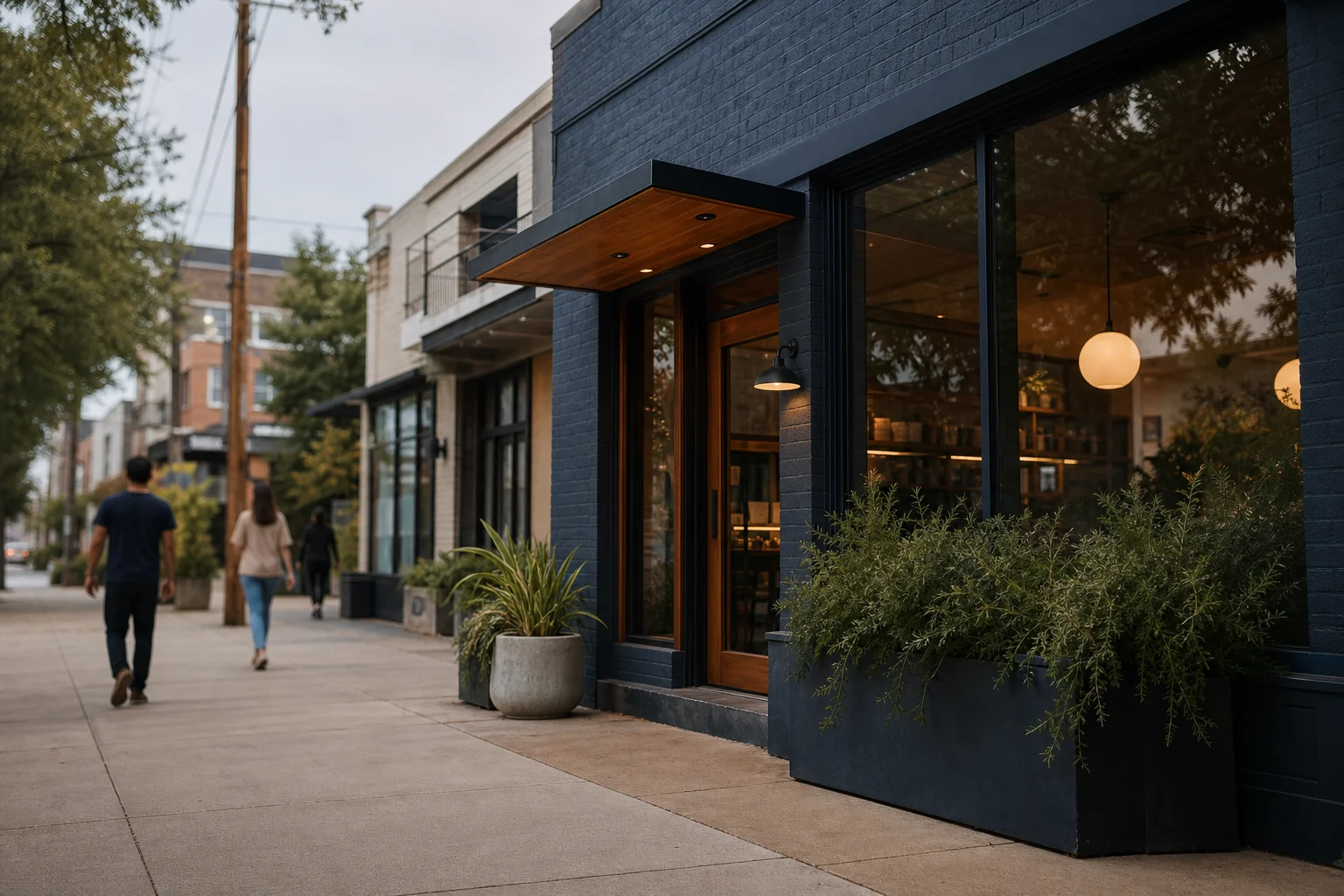
The permit stack to verify
Launching a juice and smoothie bar in Austin means verifying multiple layers of compliance. Each category requires specific attention before you can legally serve customers. The permit stack includes city business licenses, state health department approvals, landlord permissions, health department certifications, fire safety clearances, signage permits, tax registrations, and appropriate insurance coverage.
Austin's market temperature is mixed with medium competition density and medium-high rent levels. Locavisor neighborhood scoring gives a 78% confidence rating to the 2026-05 snapshot data. Understanding these market conditions helps frame your compliance strategy.
City, state, landlord, health, fire, signage, and tax registrations
City-level requirements typically include basic business registration and zoning compliance checks. Austin's zoning regulations may impact where you can operate a juice and smoothie bar, especially in residential areas. Verify your location's specific zoning designation before proceeding.
State-level registration involves health department compliance for food service operations. Juice and smoothie bars fall under food service regulations, requiring proper food handling protocols and facility standards. The Texas Department of State Health Services oversees these requirements.
Landlord permissions often include modifications to the space and operational hours. Your lease agreement should specify what alterations you can make to the property and any restrictions on operating hours that might impact your business model.
Health department compliance covers food preparation areas, equipment sanitation, and employee hygiene protocols. Juice and smoothie bars must meet specific standards for handling fresh produce and maintaining proper refrigeration temperatures.
Fire safety requirements include proper exits, fire extinguishers, and equipment placement. Austin's fire department will inspect your space to ensure it meets safety standards for public occupancy.
Signage permits regulate the size, placement, and illumination of your business signage. Austin has specific guidelines for commercial signs that vary by location and zoning district.
Tax registrations include state sales tax permits and local business tax certificates. You'll need to collect and remit sales tax on all transactions, with proper documentation maintained for audit purposes.
Documents to collect before lease signing
Before signing a commercial lease for your juice and smoothie bar, collect all necessary documentation to avoid compliance issues later. Verify the property's zoning designation matches your intended use. Request any existing health department certifications for the space if it previously housed a food service operation.
Obtain copies of the building's fire safety inspection reports and any previous health department compliance documentation. Review the lease agreement carefully for clauses related to business operations, modifications, and compliance with city regulations.
Check if the property has any outstanding code violations or pending inspections that could delay your opening. Verify that the electrical and plumbing systems meet commercial food service requirements, as juice and smoothie bars often require specialized equipment.
What varies by juice and smoothie bar format
The specific permits and licenses you need may vary depending on your juice and smoothie bar format. A primarily takeout operation with minimal seating will have different requirements than a full-service café with extensive seating and food preparation areas.
Juice bars that sell pre-packaged beverages may have different health department requirements than those that prepare drinks to order with fresh ingredients. If you plan to offer food items beyond beverages, additional health department approvals may be necessary.
Mobile juice bars or those operating at events require different permits than permanent locations. Temporary food service permits and event-specific approvals may be needed for these operations.
FAQ
What permits do I need for A Juice and Smoothie Bar in Austin?
You'll need a combination of city business licenses, state health department approvals, landlord permissions, health department certifications, fire safety clearances, signage permits, tax registrations, and appropriate insurance coverage. The specific requirements depend on your location, business model, and the scope of your operations.
How long does it take to obtain all necessary permits?
Processing times vary depending on the type of permit and current workload. Some permits may be approved within days, while others could take several weeks. It's advisable to begin the application process well before your planned opening date.
Can I operate a juice and smoothie bar from a residential property?
Austin's zoning regulations typically prohibit commercial food service operations in residential zones. You'll need to locate your business in a commercially zoned area or obtain special permission through a zoning variance, which can be a complex process.
What are the top areas for opening a juice and smoothie bar in Austin?
According to Locavisor neighborhood scoring, the top three areas are:
- Domain / North Austin (6.8/10) — The Domain is Austin's premier mixed-use tech hub with Apple, Google, and Indeed offices anchoring a dense daytime workforce. Strong lunch-daypart demand and high retail vibrancy make this a natural fit for a takeout-first juice bar. Rent is manageable at roughly $30-50/sqft NNN — workable for a medium-budget operator.
- Hyde Park (6.5/10) — Hyde Park is a walkable historic neighborhood north of UT Austin with strong student density and a loyal local customer base. Two existing juice-smoothie competitors (JuiceLand at 4.6★/646 reviews and Tropical Smoothie Cafe at 3.9★/82 reviews) mean you're entering a contested space. Rent runs roughly $45-70/sqft NNN — premium for a medium-budget operator.
- Downtown Austin (6.1/10) — Downtown Austin is the CBD core with the highest daytime population density in the city — office towers, state government, and tourist traffic converge here. Three juice-smoothie competitors already operate (JuiceLand Frost Tower at 4.6★/331 reviews, Juiced Up Cafe at 4.8★/355 reviews, and another JuiceLand at 4.7★/148 reviews).
Do I need special equipment for my juice and smoothie bar?
While not a permit requirement, juice and smoothie bars typically require specialized equipment such as commercial-grade blenders, juicers, refrigeration units, and ice machines. Your health department inspection will verify that all equipment meets food safety standards.
What insurance coverage do I need for a juice and smoothie bar?
Basic business insurance typically includes general liability, property damage, and workers' compensation if you have employees. Additional coverage may be needed depending on your specific operations and location requirements.
Last reviewed: 2026-05-08
Sources: U.S. Census Bureau ACS, LEHD LODES, Google Places, OpenStreetMap, Locavisor neighborhood scoring.
Methodology: Locavisor scores neighborhoods across demand, competition fit, rent fit, accessibility, and customer match. Scores reflect a snapshot of recent data and should be combined with on-the-ground research before lease decisions.
Disclaimer: This article provides informational content only and does not constitute legal, financial, accounting, or real-estate advice. Verify lease terms, licensing, local regulations, costs, and professional requirements with qualified local professionals before making business decisions.
Free preview shows top 3 neighborhoods. Full $9.99 report covers all 10 areas with personalized scoring + 90-day check-ins.
Informational only. Verify lease, licensing, local regulations, costs, and professional requirements with qualified local professionals.