Boston, MA · juice and smoothie bar
Juice and smoothie bar permits Boston
Opening a juice and smoothie bar in Boston requires navigating a complex web of permits and licenses. The city's regulations ensure food safety and proper business operations, but understanding what you need can be overwhelming. This guide breaks down the essential permits and licenses for your juice and smoothie bar in Boston, helping you focus on what matters most: serving healthy, delicious drinks to your customers.
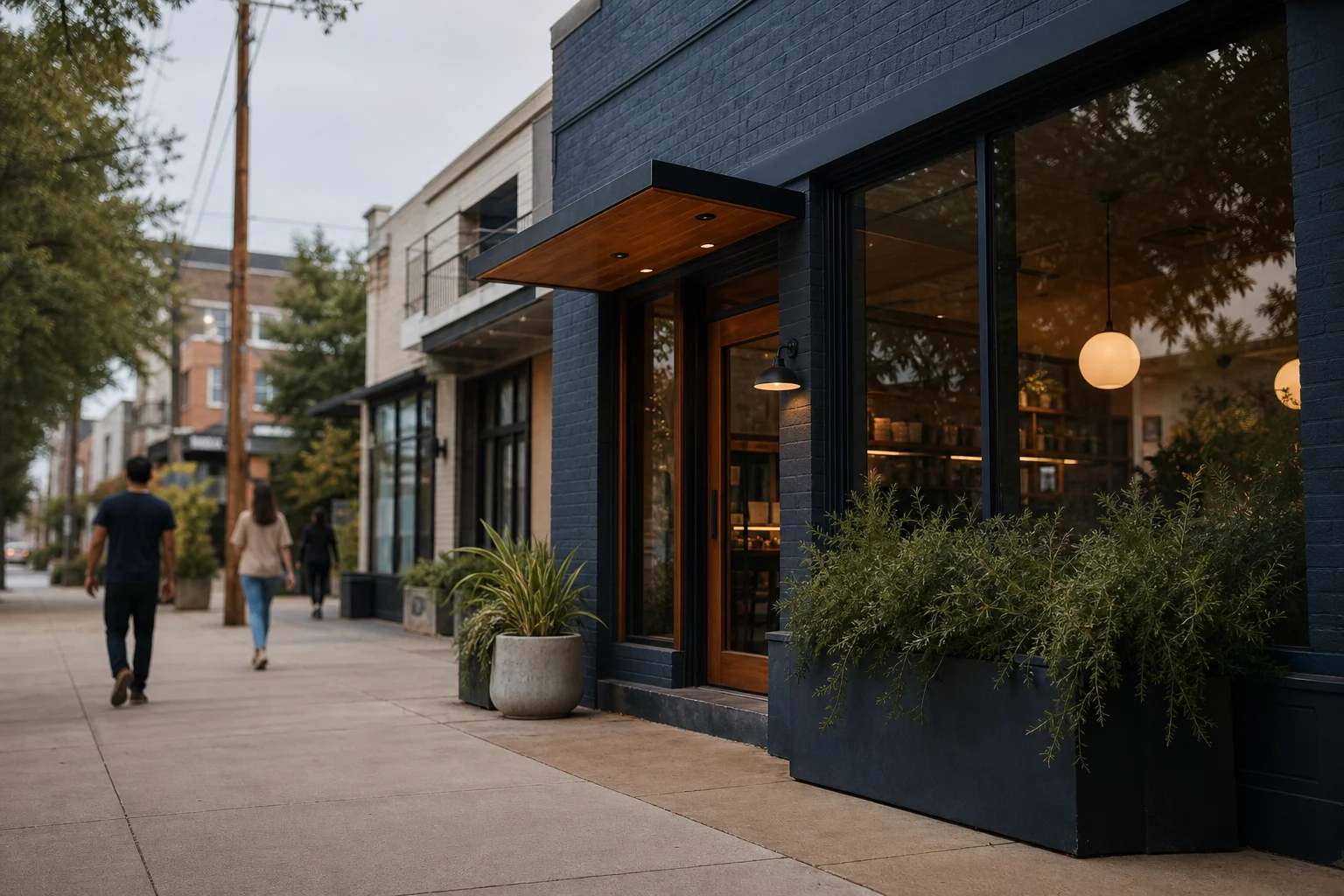
The permit stack to verify
Before opening your juice and smoothie bar, you'll need to verify several categories of permits and licenses. Each category serves a specific purpose in ensuring your business operates legally and safely. The permit stack includes city, state, landlord, health, fire, signage, and tax registrations. Missing any of these can delay your opening or result in fines.
Boston's market for juice and smoothie bars shows promising temperature with medium competition density. According to Locavisor neighborhood scoring, Quincy Center / North Quincy stands out as your strongest play with a score of 7.8/10. This area has zero direct juice-smoothie competitors, strong morning and lunch daypart scores, and a dense residential base near the Red Line. Rent levels are high in Boston, but Quincy Center / North Quincy offers roughly $30-50/sqft NNN, making it the only area where rent won't squeeze a medium budget.
City, state, landlord, health, fire, signage, and tax registrations
Your juice and smoothie bar will require multiple registrations across different levels of government. City-level permits typically include basic business operating licenses and zoning compliance. State requirements often involve sales tax registration and food handler certifications. Landlord permissions may be needed for modifications to your space. Health permits are critical for any food service business, ensuring your facility meets sanitation standards. Fire safety compliance is non-negotiable, protecting both customers and staff. Signage regulations control the visual impact of your business on the neighborhood. Finally, tax registrations ensure you're properly reporting and remitting sales and other taxes.
When considering locations, Cambridge's Kendall Square / MIT area scores 7.3/10 with exceptional demand (9.7) and customer match (9.3). The biotech/tech workforce and student population represent your ideal juice-and-smoothie demographic. However, rent is trophy-tier at roughly $90-140/sqft NNN, with a rentFit score of 0 that signals potential budget challenges for medium-budget operators.
Back Bay presents another option with a score of 7.1/10. This premier retail corridor offers maxed-out walkability, strong tourist and student indexes, and already hosts two direct juice competitors: Mother Juice at 4.5★/338 reviews and Pressed Juicery at 3.5★/143 reviews. The presence of these competitors validates demand but also sets a quality bar that new entrants must meet.
Documents to collect before lease signing
Before committing to a lease, gather all necessary documentation to ensure smooth permitting later. This includes property zoning verification confirming your business type is permitted at the location. Floor plans showing your proposed layout help with planning reviews. Proof of insurance coverage protects against liability claims. Financial documentation may be required for certain permits. Building history reports can reveal past issues that might affect your application. Neighborhood association approvals might be necessary depending on your location.
Quincy Center / North Quincy's 7.8/10 score reflects zero direct competitors in the juice-smoothie space, giving you a first-mover advantage in this promising market area. The dense residential base near the Red Line provides built-in customer potential, especially during morning and lunch hours when juice and smoothie consumption typically peaks.
What varies by juice and smoothie bar format
The specific permits you need may vary based on your juice and smoothie bar format. A primarily juice-focused operation might have different requirements than one emphasizing smoothies with added supplements. If you plan to sell pre-packaged foods alongside your beverages, additional permits may apply. Mobile juice bars face different regulations than fixed locations. Your hours of operation could impact certain permit requirements. Even the equipment you use—such as cold-press juicers versus blenders—might influence health and safety regulations.
In Kendall Square / MIT, the exceptional demand score of 9.7 indicates strong potential for a juice and smoothie business. The biotech/tech workforce and student population align perfectly with typical juice and smoothie customer demographics. However, the trophy-tier rent of roughly $90-140/sqft NNN presents a significant challenge for medium-budget operators, as reflected in the 0 rentFit score.
Back Bay's Newbury St / Boylston corridor offers maximum walkability and exposure to both tourists and students. The existing competitors—Mother Juice and Pressed Juicery—demonstrate market validation while setting quality benchmarks. Their review counts (338 and 143 respectively) suggest substantial customer traffic in this area, though competition is more established here than in Quincy Center / North Quincy.
FAQ
What permits do I need for A Juice and Smoothie Bar in Boston?
Your juice and smoothie bar will require permits across multiple categories. City-level permits typically include basic business operating licenses. State requirements often involve sales tax registration. Landlord permissions may be needed for space modifications. Health permits are essential for food service operations. Fire safety compliance is mandatory. Signage regulations control your business's visual impact. Tax registrations ensure proper reporting and remittance.
How long does the permitting process take in Boston?
The permitting timeline varies based on your specific location and the completeness of your application. Some permits may be processed quickly, while others might require additional reviews or inspections. Starting the process early is advisable to avoid delays in your opening timeline.
Are there special considerations for juice bars compared to other food businesses?
Juice bars may have specific requirements related to equipment like juicers and blenders. If you're offering fresh-squeezed juices, additional health considerations might apply. Some jurisdictions have specific regulations for businesses selling primarily beverages rather than prepared meals.
Do I need different permits if I want to sell pre-packaged foods?
Selling pre-packaged foods alongside your juices and smoothies may require additional permits. The specific requirements depend on the types of foods you plan to sell and how they're prepared and stored.
Can I apply for permits myself or should I hire a professional?
While many permits can be applied for directly, hiring a professional familiar with Boston's regulations can streamline the process and ensure compliance. This is particularly valuable if you're unfamiliar with local requirements or have a complex business model.
What happens if I open without the proper permits?
Operating without proper permits can result in fines, forced closure, and legal complications. It can also impact your ability to obtain necessary insurance coverage. Ensuring you have all required permits before opening is essential for long-term business success.
How do zoning regulations affect my juice and smoothie bar?
Zoning regulations determine where your business can be located and how it can operate. Certain areas may have restrictions on food service businesses or specific requirements for signage, parking, or operating hours. Verifying zoning compliance before signing a lease is crucial.
Are there any neighborhood-specific requirements in Boston?
Some neighborhoods in Boston may have additional requirements or restrictions beyond citywide regulations. Homeowners associations or business improvement districts might have specific guidelines for new businesses. Researching neighborhood-specific requirements is part of due diligence.
What insurance do I need for a juice and smoothie bar?
Typical insurance requirements for a juice and smoothie bar include general liability, property, and workers' compensation coverage. Additional coverage might be needed depending on your specific operations and location.
How often do permits need to be renewed?
Permit renewal frequencies vary by type and jurisdiction. Some permits may need annual renewal, while others might be valid for multiple years. Keeping track of renewal deadlines is important to maintain compliance.
Last reviewed: 2026-05-08
Sources: U.S. Census Bureau ACS, LEHD LODES, Google Places, OpenStreetMap, Locavisor neighborhood scoring.
Methodology: Locavisor scores neighborhoods across demand, competition fit, rent fit, accessibility, and customer match. Scores reflect a snapshot of recent data and should be combined with on-the-ground research before lease decisions.
Disclaimer: This article provides informational content only and does not constitute legal, financial, accounting, or real-estate advice. Verify lease terms, licensing, local regulations, costs, and professional requirements with qualified local professionals before making business decisions.
Free preview shows top 3 neighborhoods. Full $9.99 report covers all 10 areas with personalized scoring + 90-day check-ins.
Informational only. Verify lease, licensing, local regulations, costs, and professional requirements with qualified local professionals.