Denver, CO · juice and smoothie bar
Juice and smoothie bar permits Denver
Opening a juice and smoothie bar in Denver requires navigating a specific set of permits and licenses. The city's growing market temperature and medium competition density make it a promising location for this business model. Before signing any lease or investing in equipment, founders must verify compliance requirements across multiple categories. Denver's neighborhoods offer distinct opportunities, with LoDo (Lower Downtown) scoring 8.5/10 as the best area for a juice and smoothie bar based on Locavisor neighborhood scoring.
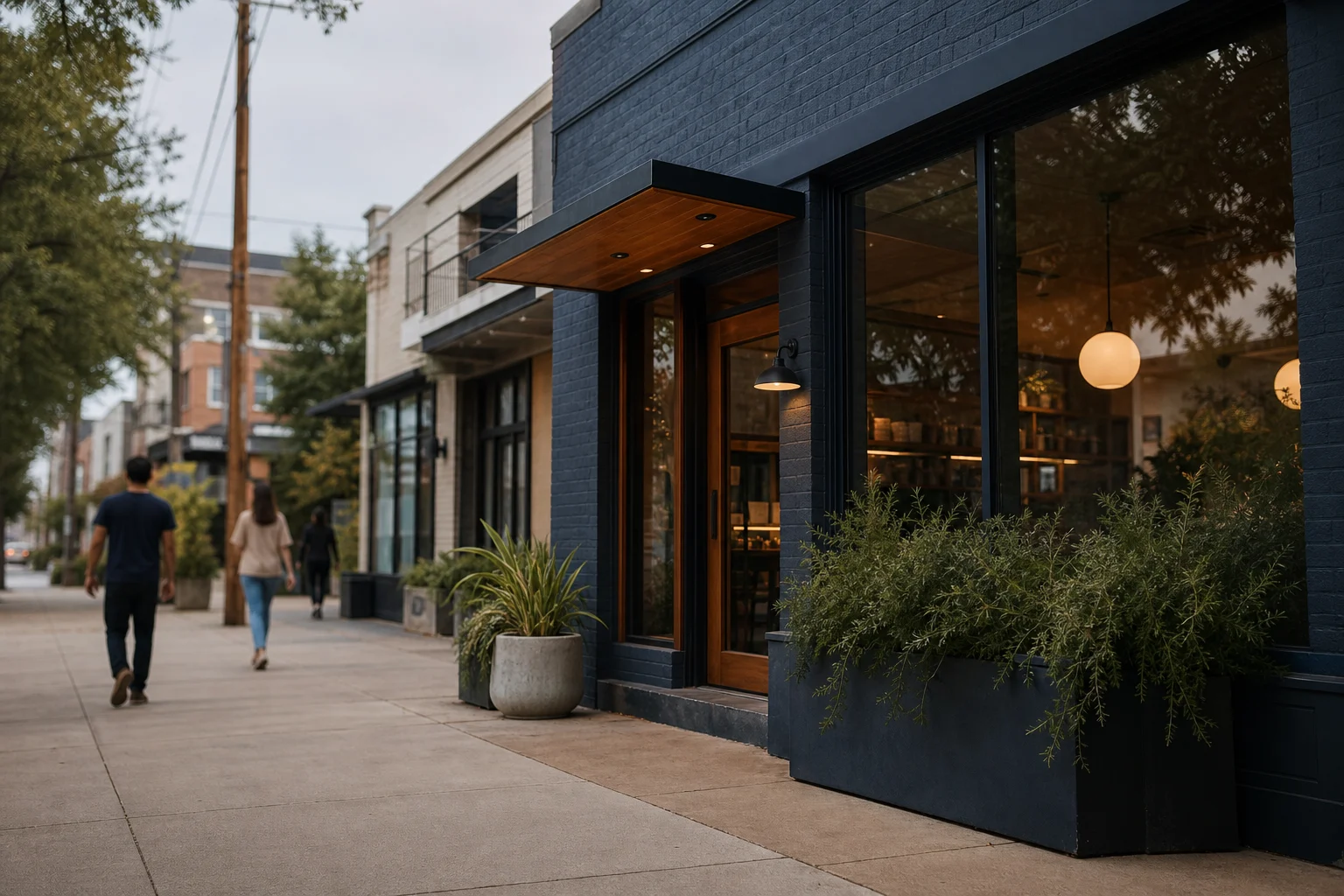
The permit stack to verify
Every juice and smoothie bar in Denver requires verification of multiple permit categories. Founders must confirm compliance with city regulations, state requirements, landlord stipulations, health standards, fire safety protocols, signage rules, and tax registrations. This comprehensive checklist helps prevent costly delays and ensures your business opens smoothly. The permit verification process should begin before lease signing to avoid surprises.
City, state, landlord, health, fire, signage, and tax registrations
Denver city permits form the foundation of your compliance framework. These local requirements address zoning, business operation, and specific regulations for food service establishments. State-level registrations cover broader business operations, including sales tax collection and business entity formation. Landlord requirements often include additional operational restrictions beyond city mandates.
Health permits ensure your juice and smoothie bar meets food safety standards. These requirements cover equipment sanitation, food handling procedures, and employee hygiene practices. Fire safety compliance involves proper equipment placement, emergency exits, and fire prevention measures. Signage regulations dictate where and how you can display your business name and operating hours.
Tax registrations include both state sales tax collection authorization and local business tax permits. Professional review of these requirements is recommended, as regulations may change or have nuanced applications specific to juice and smoothie operations. The 82% score confidence in Locavisor neighborhood scoring suggests these requirements are well-documented but should be verified with current sources.
Documents to collect before lease signing
Before committing to a commercial space, collect all necessary documentation to verify compliance requirements. This includes zoning confirmation for your specific business type, building code compliance certificates, and health department guidelines for juice preparation facilities. The rent level in Denver's top areas ranges from $30-50/sqft NNN, making document verification a cost-effective step.
In LoDo (Lower Downtown), verify that your location meets requirements for serving approximately 10,500 weekday office workers within 800m. The area's Union Station, Larimer Square, Coors Field, and 16th Street Mall create a breakfast-and-lunch volume play opportunity. Existing operators like Rush Bowls at 3.8★ and Juice Kitchen at 4.6★ demonstrate the area's viability but also highlight the need for proper compliance.
For RiNo (River North Art District), confirm compliance with the creative-class corridor's unique requirements. The area's murals, breweries, Denver Central Market, and coworking cluster create a distinct operational environment. Nearby competitors include Campo Juice + Kitchen (4.9★, 306 reviews) and Rush Bowls (4.5★, 68 reviews), suggesting compliance standards are established but specific to each location.
Five Points presents a different compliance landscape with no direct juice competitors within the area. The historic neighborhood's strong walkability, light-rail access (25th-Welton, 27th-Welton stations), and growing food scene anchored by Denver Central Market and Rosenberg's Bagels require specific verification of operational requirements. The absence of direct competitors means fewer precedents for compliance.
What varies by juice and smoothie bar format
Juice and smoothie bar formats impact compliance requirements significantly. Juice-focused establishments may have different equipment and sanitation requirements than those emphasizing smoothies or blended beverages. Mobile juice bars face different compliance considerations than fixed-location establishments.
The market temperature in Denver is promising, but competition density varies by neighborhood. LoDo's established juice operators suggest mature compliance expectations, while Five Points' lack of direct competitors may require more thorough due diligence. Rent levels remain consistent across top areas at $30-50/sqft NNN, but operational requirements may differ based on specific business models.
Professional advice becomes increasingly valuable as business complexity grows. Juice bars offering fresh-squeezed juices may require additional verification compared to those using pre-packaged ingredients. The 2026-05 snapshot data indicates a stable regulatory environment, but founders should verify current requirements before finalizing plans.
FAQ
What permits do I need for A Juice and Smoothie Bar in Denver?
Your juice and smoothie bar will require verification of multiple permit categories. These include city business operation permits, state business entity registrations, landlord compliance requirements, health department certifications, fire safety approvals, signage permits, and tax registrations. Each category has specific requirements that must be verified before opening.
How do neighborhood requirements differ in Denver?
Denver's top neighborhoods have distinct compliance considerations. LoDo (Lower Downtown) requires verification for serving office workers near Union Station, Larimer Square, Coors Field, and 16th Street Mall. RiNo (River North Art District) has specific requirements for operating in a creative-class corridor with nearby competitors like Campo Juice + Kitchen. Five Points, with no direct juice competitors, requires thorough verification of its unique regulatory environment.
When should I start the permit verification process?
Begin permit verification before lease signing to avoid costly surprises. Collect all necessary documentation early in your planning process. The verification timeline varies based on business complexity and location-specific requirements, but early preparation prevents delays in your opening timeline.
Can I operate a juice bar without professional help?
While founders can handle basic permit verification, professional advice becomes valuable as business complexity grows. Juice bars with specialized equipment or unique operational models may benefit from expert guidance. The 82% score confidence in Locavisor neighborhood scoring suggests requirements are well-documented, but professional review ensures comprehensive compliance.
How do rent levels impact permit requirements?
Denver's rent levels range from $30-50/sqft NNN across top areas, but rent doesn't directly affect permit requirements. However, budget considerations may influence how thoroughly you can address compliance needs. Higher rent locations may require more comprehensive verification to justify the investment, while lower rent areas might offer more flexibility in operational approaches.
Last reviewed: 2026-05-08
Sources: U.S. Census Bureau ACS, LEHD LODES, Google Places, OpenStreetMap, Locavisor neighborhood scoring.
Methodology: Locavisor scores neighborhoods across demand, competition fit, rent fit, accessibility, and customer match. Scores reflect a snapshot of recent data and should be combined with on-the-ground research before lease decisions.
Disclaimer: This article provides informational content only and does not constitute legal, financial, accounting, or real-estate advice. Verify lease terms, licensing, local regulations, costs, and professional requirements with qualified local professionals before making business decisions.
Free preview shows top 3 neighborhoods. Full $9.99 report covers all 10 areas with personalized scoring + 90-day check-ins.
Informational only. Verify lease, licensing, local regulations, costs, and professional requirements with qualified local professionals.