San Diego, CA · juice and smoothie bar
Juice and smoothie bar permits San Diego
Opening a juice and smoothie bar in San Diego requires navigating a web of permits and licenses to operate legally. For small-business founders, understanding these requirements upfront can prevent costly delays and ensure compliance from day one. This guide breaks down the essential permits, timelines, and common pitfalls to help you plan your launch.
Why permits matter before you sign a lease
Securing permits before signing a lease is non-negotiable. Landlords often require proof of compliance to protect their property and avoid liability. A juice and smoothie bar involves food preparation, which triggers health and safety regulations-ignoring these can lead to fines, closure, or even legal action. For example, neighborhoods like University City / UTC (score 8.9/10, rent $37-$85/sqft/yr NNN) have established juice bars like JOE & THE JUICE and Vitality Bowls, meaning local authorities are familiar with the permitting process for this business type. Skipping permits risks losing your deposit or facing retroactive compliance orders that disrupt operations.
Required permits and licenses for a juice and smoothie bar in San Diego
A juice and smoothie bar typically needs several permits to operate legally in San Diego:
- City business license: Issued by the City of San Diego, this is the baseline for operating a business within city limits.
- Health permit: Required by the San Diego County Department of Environmental Health, this covers food preparation, storage, and handling.
- Fire permit: Mandated by the San Diego Fire-Rescue Department, especially if your space includes cooking equipment or large refrigeration units.
- Signage permit: Regulates outdoor signs to comply with city zoning and aesthetic standards.
- Tax permits: Includes state sales tax (California Department of Tax and Fee Administration) and local business taxes.
- Insurance: General liability and workers' compensation insurance are often required by landlords and lenders.
- Professional review: Depending on your buildout, you may need a licensed architect or engineer to sign off on structural or mechanical plans.
Always verify requirements with the issuing agency-permits can vary based on your specific location and business model.
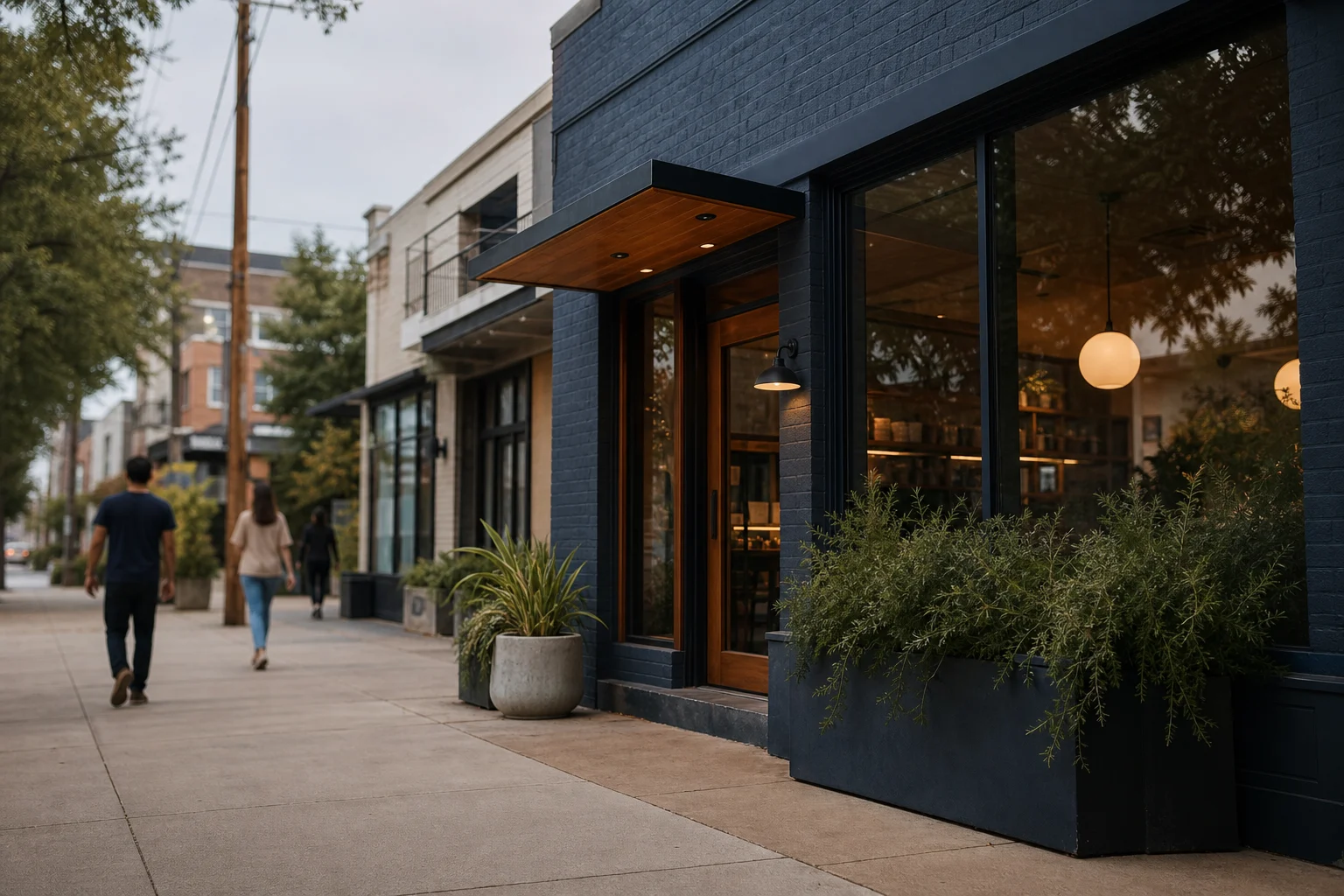
Realistic timeline from application to opening
The timeline for permit approval can range from a variable local timeline, depending on the permit type and application completeness. Health permits often take the longest due to inspections, while business licenses may process faster. Start early: submit applications at least a variable local timeline before your target opening date to account for revisions or additional documentation. For instance, neighborhoods like Downtown / Gaslamp Quarter (score 7.0/10, rent $60/sqft/yr NNN) have established juice bars like Nekter Juice Bar, where the permitting process is streamlined but still requires advance planning.
Common reasons applications get rejected in San Diego
Rejections often stem from avoidable mistakes:
- Incomplete applications: Missing signatures, fees, or supporting documents (e.g., floor plans, health department checklists).
- Health code violations: Improper food storage, lack of handwashing stations, or inadequate ventilation.
- Zoning issues: Operating in a zone not zoned for food service (check San Diego's zoning map before leasing).
- Fire safety gaps: Missing fire extinguishers, blocked exits, or unapproved equipment.
Review each application thoroughly and consult a local professional if unsure-small fixes can save weeks of delays.
How to budget for permits and inspections
Permit costs vary, but budgeting for fees, inspections, and potential corrections is critical. While exact fees aren't listed here, rent bands from Locavisor research (e.g., $37-$85/sqft/yr NNN in University City / UTC or Little Italy) give context for operational costs. Factor in:
- Application fees (city, health, fire).
- Inspection fees (re-inspections if corrections are needed).
- Professional fees (architect, engineer, or consultant).
- Contingency funds for unexpected issues (e.g., outdated electrical systems requiring upgrades).
Neighborhoods like Convoy Asian Cultural District (score 6.9/10, rent $37-$85/sqft/yr NNN) have juice bars like R3FRESH Juice Bar, where operators likely accounted for these costs upfront.
Quick reference - which neighborhoods minimize permit friction
San Diego's top neighborhoods for juice and smoothie bars, per Locavisor scoring, balance foot traffic, rent, and permitting familiarity. Use this table to compare options:
| Neighborhood | Score | Rent Band (NNN) | Key Anchors |
|---|
Higher scores (e.g., University City / UTC) often mean more established businesses and smoother permitting, but rent may be pricier. Lower scores (e.g., Mission Valley) offer affordability but may require more due diligence.
| Neighborhood | Locavisor score | Rent band | Local operator signal | Founder validation check |
|---|---|---|---|---|
| University City / UTC | 8.9/10 | $37-$85/sqft/yr NNN | JOE & THE JUICE, Vitality Bowls | Confirm zoning, landlord approvals, inspections, and license timing. |
| Downtown / Gaslamp Quarter | 7.0/10 | $60/sqft/yr NNN | Nekter Juice Bar, Moonwalk juice bar and cafe | Confirm zoning, landlord approvals, inspections, and license timing. |
| Little Italy | 7.0/10 | $37-$85/sqft/yr NNN | Choice Juicery | Confirm zoning, landlord approvals, inspections, and license timing. |
| Convoy Asian Cultural District | 6.9/10 | $37-$85/sqft/yr NNN | R3FRESH Juice Bar | Confirm zoning, landlord approvals, inspections, and license timing. |
| Mission Valley | 6.6/10 | $37-$85/sqft/yr NNN | Everbowl Mission Valley, Robeks Fresh Juices & Smoothies | Confirm zoning, landlord approvals, inspections, and license timing. |
FAQ
Q: What permits do I need to open a juice and smoothie bar in San Diego?
A: You'll need a city business license, health permit (San Diego County), fire permit (if applicable), signage permit, tax permits (state and local), and insurance. Verify with each agency for your specific location.
Q: How long does it take to get permits in San Diego?
A: Timelines vary, but expect a variable local timeline. Health permits often take the longest due to inspections. Start applications a variable local timeline before opening.
Q: Do I need a professional review for my juice bar buildout?
A: If your space requires structural changes or new mechanical systems, a licensed architect or engineer may be required to sign off. Check with the City of San Diego's planning department.
Q: Can I open a juice bar in a residential zone?
A: San Diego zoning laws restrict food service in residential zones. Always confirm your lease space is zoned for commercial use before signing.
This guide provides a framework, but always consult local agencies and professionals to ensure compliance. With proper planning, your juice and smoothie bar can launch smoothly in San Diego's vibrant market.
Last reviewed: 2026-05-30
Sources: U.S. Census Bureau ACS, LEHD LODES, Google Places, OpenStreetMap, Locavisor neighborhood scoring.
Methodology: Locavisor scores neighborhoods across demand, competition fit, rent fit, accessibility, and customer match. Scores reflect a snapshot of recent data and should be combined with on-the-ground research before lease decisions.
Disclaimer: This article provides informational content only and does not constitute legal, financial, accounting, or real-estate advice. Verify lease terms, licensing, local regulations, costs, and professional requirements with qualified local professionals before making business decisions.
Free preview shows top 3 neighborhoods. Full $9.99 report covers all 10 areas with personalized scoring + 90-day check-ins.
Informational only. Verify lease, licensing, local regulations, costs, and professional requirements with qualified local professionals.