San Jose, CA · juice and smoothie bar
Juice and smoothie bar permits San Jose
Opening a juice and smoothie bar in San Jose requires navigating a specific set of permits and licenses. This guide breaks down what you need to know before launching your business in California's third-largest city. San Jose's business environment demands careful planning, especially when it comes to regulatory compliance. Understanding the permit landscape can save you time, money, and headaches as you build your local health-focused beverage business.
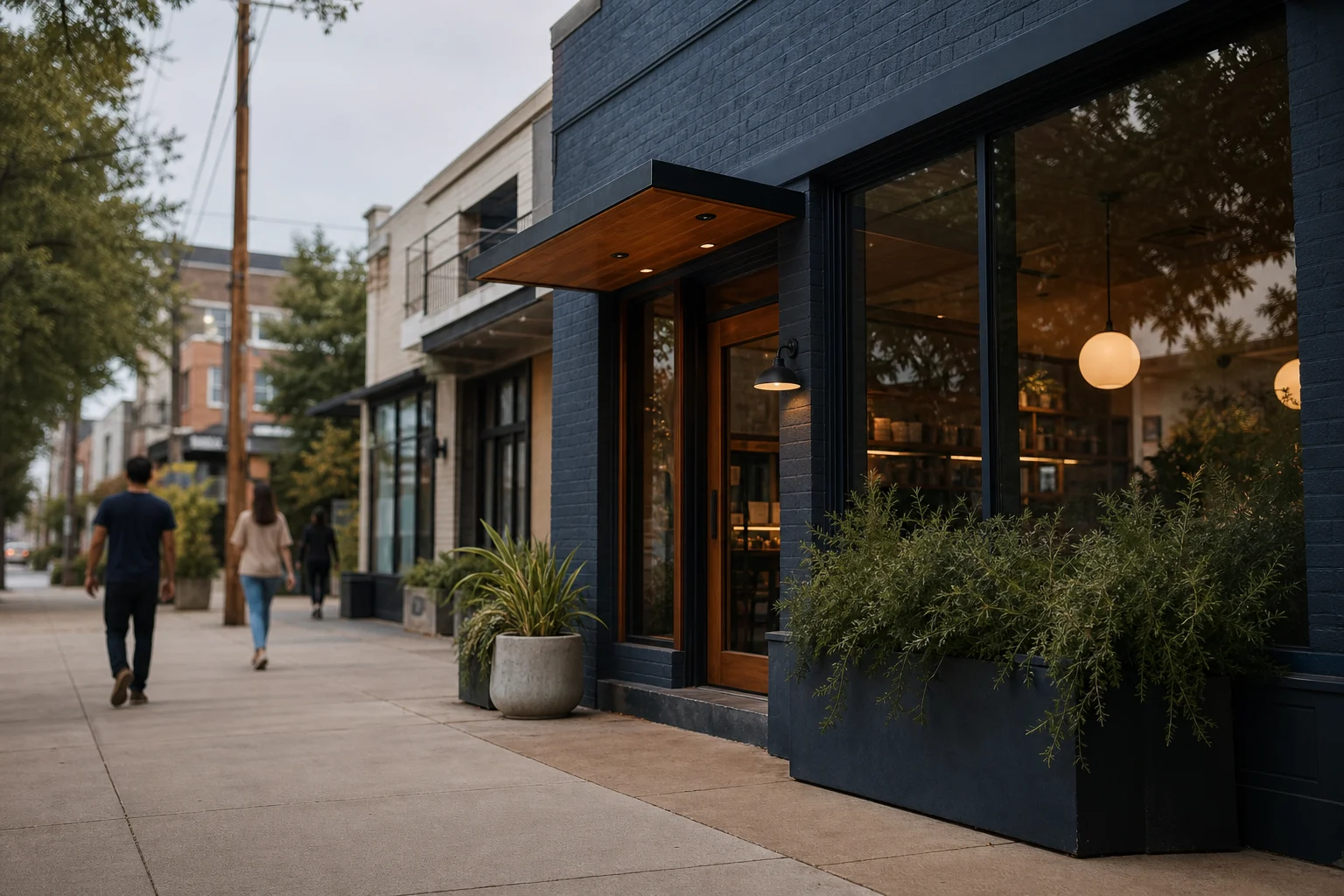
Why permits matter before you sign a lease
Securing the right permits isn't just a bureaucratic formality-it's a critical step that impacts your business viability. Many entrepreneurs make the mistake of signing a lease before understanding their permit requirements, only to discover later that their chosen location isn't zoned for food service or requires costly modifications. In San Jose, health department regulations for food preparation spaces can be particularly stringent, with specific requirements for refrigeration, handwashing stations, and floor materials.
The city's planning department enforces zoning codes that may restrict certain types of food businesses in residential areas or require additional parking studies for commercial zones. Before committing to a space, verify that your intended use aligns with the property's zoning classification. This due diligence can prevent expensive lease terminations or renovation costs that could have been avoided with proper planning.
Local competition analysis shows that established players like Pressed Juicery and Planet Smoothie have already navigated San Jose's regulatory landscape. Their presence in neighborhoods like Santana Row / Valley Fair indicates these areas have the necessary infrastructure to support juice and smoothie operations. Understanding where these businesses thrive can provide clues about permit-friendly locations.
Required permits and licenses for a juice and smoothie bar in San Jose
The core permits for a juice and smoothie bar typically fall into several categories: business licensing, health department approval, building permits, and signage authorization. San Jose's Business Tax Registration is your first step, establishing your legal right to operate within city limits. This registration connects you to the city's tax system and provides your business with official recognition.
Health department permits are non-negotiable for any establishment handling food and beverages. The Santa Clara County Environmental Health Division oversees food service operations, requiring inspections of your preparation areas, storage facilities, and employee hygiene practices. For juice and smoothie bars, this includes verifying that your equipment meets food safety standards and that your staff completes required food handler training.
Building permits become necessary if your space requires construction or significant renovations. Even seemingly minor changes, like installing new plumbing for additional sinks or modifying electrical systems for refrigeration units, may trigger permit requirements. The city's building department will review your plans to ensure compliance with fire safety codes, accessibility standards, and structural integrity.
Signage permits regulate the size, placement, and illumination of your business signage. San Jose has specific guidelines about how close signs can be to property lines and street intersections. These rules aim to maintain the city's visual character while allowing businesses to attract customers effectively.
Realistic timeline from application to opening
The permit process in San Jose typically takes several weeks to months, depending on the complexity of your project and the completeness of your application. Simple juice bars with minimal construction may move through the system in a variable local timeline, while those requiring significant buildouts could take a variable local timeline or longer. Planning authorities often experience backlogs, especially during peak development seasons.
Health department inspections usually occur after your space is ready for review but before you begin operations. Scheduling these inspections requires coordination with the county health department, and you may need to provide access to inspectors during regular business hours. Some entrepreneurs find it helpful to schedule their final health inspection a week or two before their planned opening date, allowing time to address any issues that arise.
The business tax registration process is relatively quick, often completed within a few days of submission. However, this doesn't mean you can begin operations immediately-health and building permits must be in place first. Many successful juice bar owners recommend starting the permit process at least 90 days before their target opening date to accommodate potential delays and revisions.
Common reasons applications get rejected in San Jose
Incomplete applications are the most frequent cause of delays and rejections. San Jose's permitting departments require thorough documentation, including detailed floor plans, equipment specifications, and proof of insurance. Missing even one document can send your application back to the bottom of the queue, adding weeks to your timeline.
Health department rejections often stem from inadequate handwashing facilities or improper food storage arrangements. Juice bars must demonstrate proper separation of raw ingredients, adequate refrigeration temperatures, and easy access to handwashing stations. Inspectors pay close attention to cross-contamination prevention, especially when handling fresh produce and dairy products.
Zoning violations represent another common rejection reason. San Jose's zoning code may restrict certain types of food businesses in specific areas, particularly those near residential zones or schools. Understanding these restrictions before submitting your application can save significant time and resources.
How to budget for permits and inspections
Permit costs in San Jose vary based on your business type, location, and the scope of your project. Building permits alone can range from a few hundred to several thousand dollars, depending on the complexity of your renovations. Health department fees typically run several hundred dollars for initial inspections and follow-up visits.
Many juice bar owners find that budgeting 2-5% of their total startup costs for permits and inspections provides a reasonable estimate. This range accounts for application fees, inspection costs, potential plan revisions, and any required equipment upgrades to meet code standards. The rent bands in San Jose neighborhoods like Downtown San Jose ($55/sqft/yr NNN) versus Santana Row / Valley Fair ($110/sqft/yr NNN) significantly impact your overall budget, with higher-rent areas often correlating with more stringent permitting requirements.
Insurance requirements add another layer to your budget considerations. San Jose businesses must carry general liability insurance, and food service operations typically need product liability coverage as well. These policies protect your business from potential claims and may be required before the city issues certain permits.
Professional assistance can be worth the investment, especially for first-time entrepreneurs. Local consultants familiar with San Jose's permitting process can help you navigate complex requirements and avoid common pitfalls. While this adds to your startup costs, it often results in faster approval and fewer costly mistakes.
Quick reference - which neighborhoods minimize permit friction
San Jose's neighborhoods present different opportunities and challenges for juice and smoothie bar operators. Downtown San Jose, with its score of 7.4/10 and rent band of $55/sqft/yr NNN, offers a dense customer base near San Jose State University and major transit hubs. The area's mix of office buildings, shopping centers, and educational institutions creates consistent foot traffic throughout the day.
Santana Row / Valley Fair, scoring 6.7/10 with a rent band of $110/sqft/yr NNN, represents a higher-end market with established competitors like Pressed Juicery. This neighborhood's premium retail environment may come with more stringent aesthetic and operational requirements but also offers customers accustomed to premium pricing.
Willow Glen, scoring 6.2/10 with a rent band of $48/sqft/yr NNN, offers a more neighborhood-focused environment with consistent local patronage. The area's smaller scale may mean less foot traffic but also potentially lower competition and more personalized customer relationships.
| Neighborhood | Score | Rent Band | Key Considerations |
|---|---|---|---|
| Downtown San Jose | 7.4/10 | $55/sqft/yr NNN | High foot traffic, diverse customer base, near transit |
| Santana Row / Valley Fair | 6.7/10 | $110/sqft/yr NNN | Premium market, established competition, higher costs |
| Willow Glen | 6.2/10 | $48/sqft/yr NNN | Neighborhood focus, potential for local loyalty |
FAQ
What permits do I need to open a juice and smoothie bar in San Jose?
You'll need several key permits: a San Jose Business Tax Registration, Santa Clara County Health Department food service permit, building permits for any construction or renovations, and signage permits for your business signage. The health department permit is particularly critical, as it ensures your space meets food safety standards for preparing and serving beverages.
How long does the permit process typically take in San Jose?
The timeline varies based on your project complexity, but expect a variable local timeline for most juice bar applications. Simple operations with minimal construction may move faster, while those requiring significant buildouts or facing zoning reviews can take longer. Starting the process 90 days before your target opening date is recommended.
Can I operate a juice bar from a home kitchen in San Jose?
Home-based food businesses face significant restrictions in San Jose. The city's zoning codes and health department regulations generally prohibit commercial food preparation in residential properties. You'll need a commercially zoned location with approved facilities to legally operate a juice and smoothie bar.
What are the most common reasons juice bar permit applications get rejected in San Jose?
Incomplete documentation, inadequate handwashing facilities, improper food storage arrangements, and zoning violations are the primary reasons for rejection. Ensuring your application is thorough and your space meets all code requirements before submission can prevent these issues.
Do I need special permits for outdoor seating or patio space?
Yes, outdoor seating typically requires additional permits and may be subject to neighborhood review processes. San Jose has specific regulations about sidewalk cafés and patio installations, including requirements for barriers, lighting, and accessibility. These permits ensure your outdoor space integrates safely with the surrounding environment.
Last reviewed: 2026-05-30
Sources: U.S. Census Bureau ACS, LEHD LODES, Google Places, OpenStreetMap, Locavisor neighborhood scoring.
Methodology: Locavisor scores neighborhoods across demand, competition fit, rent fit, accessibility, and customer match. Scores reflect a snapshot of recent data and should be combined with on-the-ground research before lease decisions.
Disclaimer: This article provides informational content only and does not constitute legal, financial, accounting, or real-estate advice. Verify lease terms, licensing, local regulations, costs, and professional requirements with qualified local professionals before making business decisions.
Free preview shows top 3 neighborhoods. Full $9.99 report covers all 10 areas with personalized scoring + 90-day check-ins.
Informational only. Verify lease, licensing, local regulations, costs, and professional requirements with qualified local professionals.