Seattle, WA · laundromat
Laundromat permits Seattle
Opening a laundromat in Seattle requires navigating a specific set of permits and licenses. This guide breaks down the compliance requirements for laundromat permits in Seattle to help founders prepare for their launch.
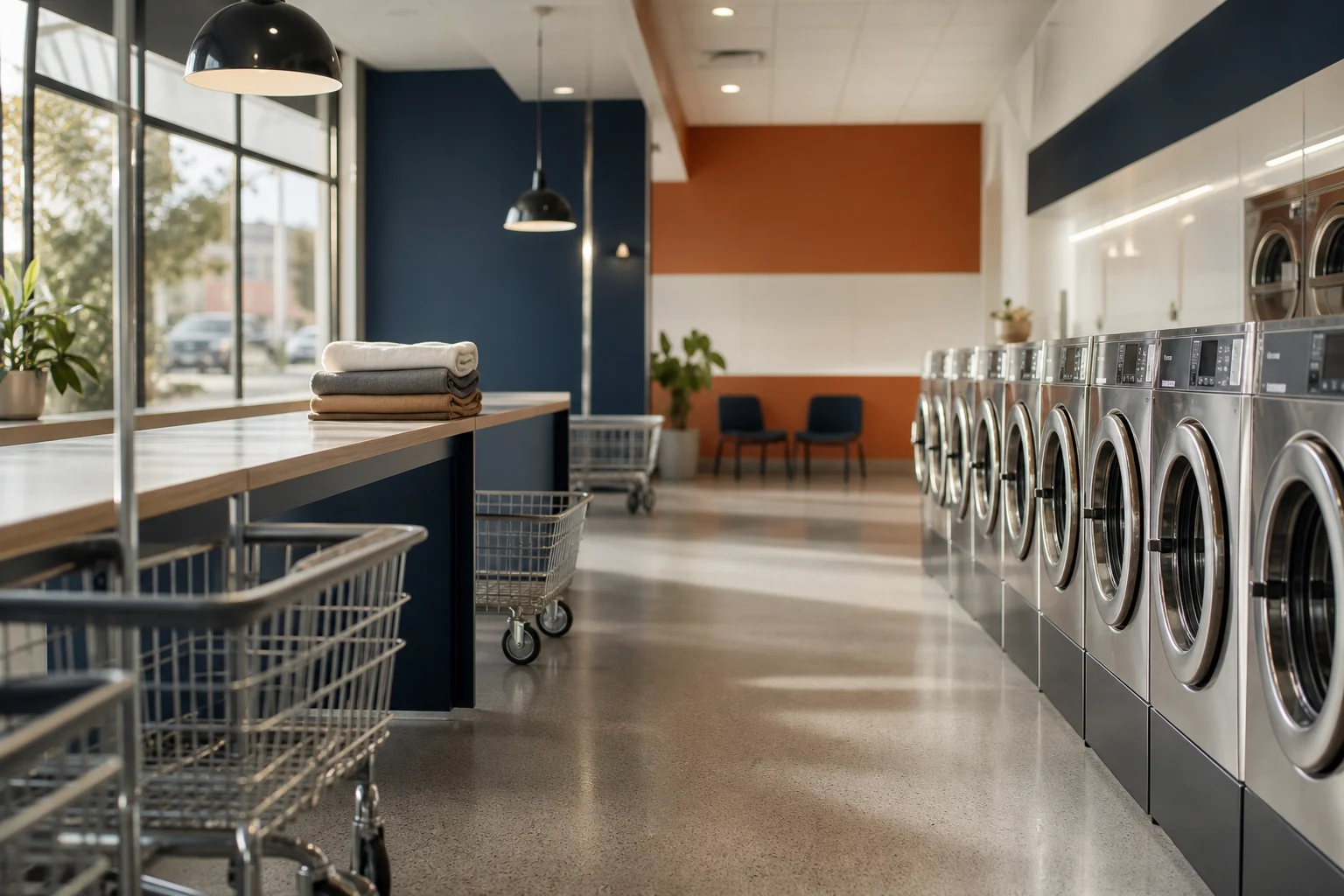
The permit stack to verify
Before signing any lease or making significant investments, verify you have all necessary permits and licenses. The laundromat permits Seattle requires fall into several categories: city, state, landlord, health, fire, signage, and tax registrations. Each category has specific requirements that must be addressed before opening your doors.
Top Seattle neighborhoods for laundromats
Based on Locavisor neighborhood scoring, here are the top three areas for a laundromat business in Seattle:
U-District (University District) (7.0/10) — U-District ranks #1 for a laundromat — zero direct competitors, massive student + residential density, and strong late-night activity. Rent is manageable for a medium-budget operator at roughly $30-50/sqft NNN. The customer base skews young and transient — ideal for self-service laundry with a wash-and-fold drop-off add-on.
Wallingford (6.7/10) — Wallingford offers a strong residential base with good walkability and one existing laundromat — Wallingford Laundromat (4.0★, 25 reviews) — that operates only 11 AM–4 PM weekdays and is closed weekends. That's a clear service gap you can exploit with extended hours and wash-and-fold.
Roosevelt (6.3/10) — Roosevelt is a growing corridor anchored by a light rail station and Roosevelt Square. No laundromat competitors exist. The residential base is solid and the area is emerging — but daytime office traffic is moderate and late-night activity is weaker than U-District or Wallingford.
City, state, landlord, health, fire, signage, and tax registrations
City requirements
Seattle requires specific city permits for laundromat operations. These typically include a business license and potentially zoning permits. Verify your location is properly zoned for commercial laundry operations. Some Seattle neighborhoods may have additional requirements based on local regulations.
State requirements
Washington state requires certain registrations for laundromat businesses. These typically include a state business license and potentially sales tax permits if you'll be selling products beyond laundry services.
Landlord requirements
Your lease agreement will outline specific requirements from the property owner. These may include proof of insurance, specific operating hours, or restrictions on modifications to the space. Review your lease carefully to understand all landlord-imposed requirements.
Health requirements
Laundromats in Seattle must meet health department standards. This typically includes proper ventilation, water quality standards, and maintenance of clean facilities. Regular inspections may be required to ensure compliance.
Fire requirements
Fire safety is critical for laundromat operations. Seattle's fire department will likely require specific safety measures including proper fire extinguishers, emergency exits, and possibly sprinkler systems depending on the size of your operation.
Signage requirements
Seattle has specific regulations regarding business signage. These may include permits for exterior signs, restrictions on sign size and placement, and requirements for business identification.
Tax registrations
Proper tax registration is essential for your laundromat business. This includes federal employer identification number (EIN), state tax registration, and local business tax registration as required by Seattle.
Documents to collect before lease signing
Before committing to a location, gather all necessary documentation:
- Verify zoning regulations for commercial laundry operations
- Confirm availability of required permits for the specific location
- Review utility requirements and capacity for laundry equipment
- Assess parking availability and accessibility for customers
- Check for any neighborhood-specific regulations that might affect operations
What varies by laundromat format
Different laundromat formats may have additional requirements:
- Traditional self-service laundromats focus on coin-operated machines
- Wash-and-fold services may require additional business licenses
- Combination laundromats with retail elements may need additional permits
- High-end laundromats with premium amenities may have stricter building requirements
FAQ
What permits do I need for A Laundromat in Seattle?
You'll need several permits including a Seattle business license, state business registration, and potentially zoning permits. Health department permits for facility standards and fire safety permits are also typically required. Signage permits may be necessary depending on your exterior signage plans.
How long does it take to get permits in Seattle?
Processing times vary depending on the type of permit and current workload. Some permits may be issued quickly while others, especially those requiring inspections, may take several weeks.
Can I operate a laundromat from home?
Seattle zoning regulations typically prohibit commercial laundry operations in residential zones. You'll need a properly zoned commercial location for your laundromat.
Do I need special insurance for my laundromat?
Business liability insurance is essential for any laundromat. You may also want to consider equipment coverage and business interruption insurance depending on your specific situation.
Are there any special requirements for coin-operated machines?
Seattle may have specific requirements for coin-operated equipment including registration with local authorities and proper labeling.
Last reviewed: 2026-05-08
Sources: U.S. Census Bureau ACS, LEHD LODES, Google Places, OpenStreetMap, Locavisor neighborhood scoring.
Methodology: Locavisor scores neighborhoods across demand, competition fit, rent fit, accessibility, and customer match. Scores reflect a snapshot of recent data and should be combined with on-the-ground research before lease decisions.
Disclaimer: This article provides informational content only and does not constitute legal, financial, accounting, or real-estate advice. Verify lease terms, licensing, local regulations, costs, and professional requirements with qualified local professionals before making business decisions.
Free preview shows top 3 neighborhoods. Full $9.99 report covers all 10 areas with personalized scoring + 90-day check-ins.
Informational only. Verify lease, licensing, local regulations, costs, and professional requirements with qualified local professionals.