Seattle, WA · nail salon
Nail salon permits Seattle
Opening a nail salon in Seattle requires navigating a complex web of permits and licenses. The city's regulatory environment demands careful attention to compliance requirements. Before investing in your dream business, understanding the necessary permits can save you time and money down the road. 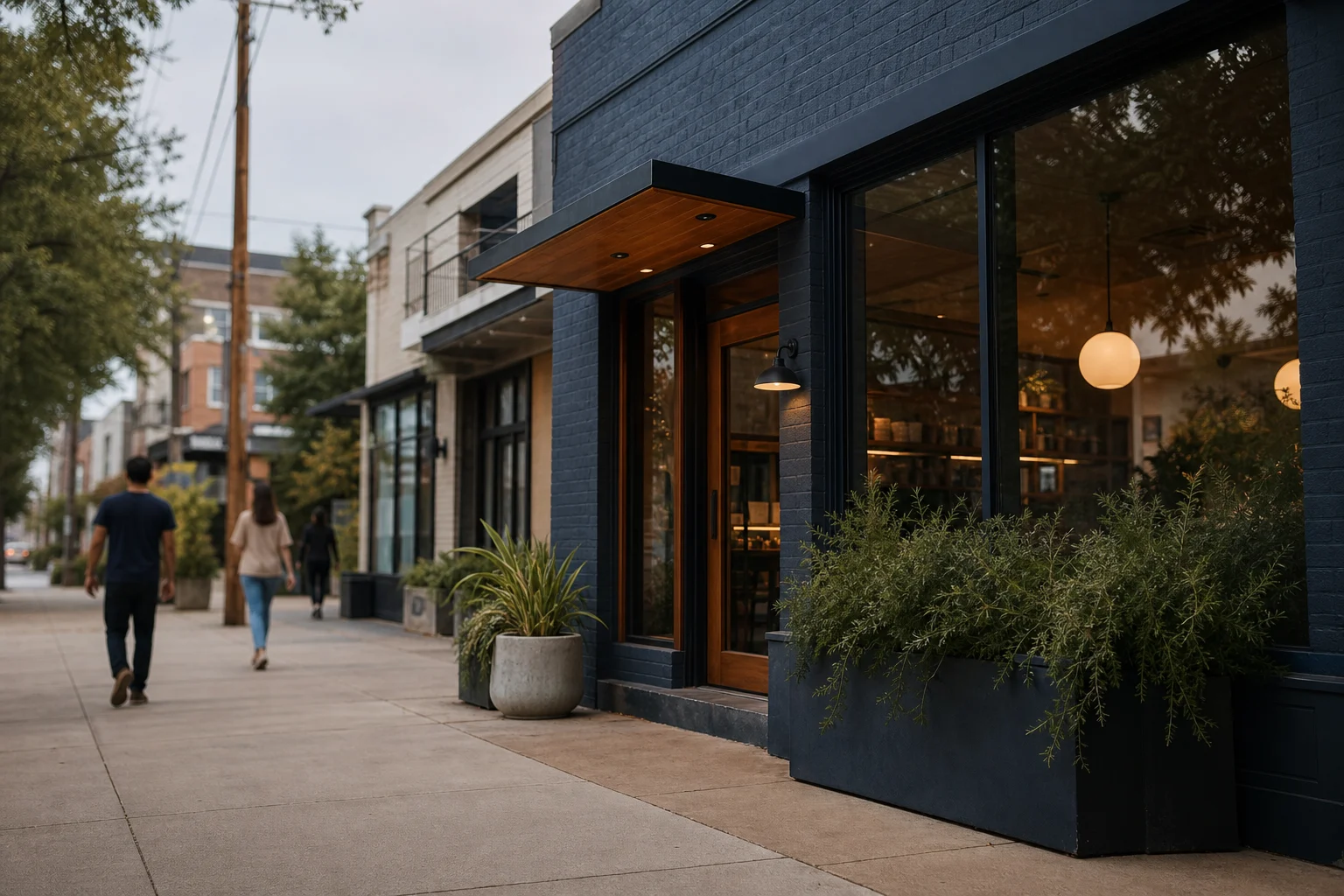
The permit stack to verify
Every nail salon in Seattle must obtain multiple permits and licenses from various authorities. These requirements ensure your business operates safely and legally. The permit stack typically includes city business licenses, state professional registrations, landlord approvals, health department certifications, fire safety compliance, signage permits, and tax registrations.
City, state, landlord, health, fire, signage, and tax registrations
City requirements
Seattle requires all businesses to obtain a city business license before operating. This basic registration allows you to legally conduct business within city limits. The application process typically verifies your business location and activities.
State requirements
Washington state regulates nail technicians through professional licensing. Each nail technician must hold a current cosmetology or nail technician license. The state also requires businesses to register with the Department of Revenue for tax collection purposes.
Landlord requirements
Your lease agreement will likely contain specific clauses about business operations. Landlords may require proof of insurance, business registration, and compliance with local regulations before granting approval to operate a nail salon in their commercial space.
Health requirements
Nail salons must meet health department standards for sanitation and safety. This includes proper sterilization equipment, ventilation systems, and waste disposal procedures. Health inspectors will verify compliance during routine inspections.
Fire requirements
Fire safety regulations mandate proper emergency exits, extinguishers, and electrical systems. Your salon must pass a fire inspection before receiving final approval to operate.
Signage requirements
Seattle has specific regulations for business signage, including size, placement, and illumination. You'll need approval before installing any exterior signs promoting your nail salon.
Tax registrations
Businesses must register with state and local tax authorities. This includes sales tax collection and reporting requirements. Proper tax documentation is essential for maintaining good standing with regulatory agencies.
Documents to collect before lease signing
Before committing to a commercial space, gather all necessary documentation to verify compliance requirements. This includes zoning confirmation for nail salon operations, building code compliance certificates, and health department guidelines for salon facilities.
Research the neighborhood's competitive landscape and market temperature. For example, Madrona / Leschi (6.8/10) offers zero direct nail-salon competitors with strong walkability and a dense residential base of ~8,000 households within reach. Expect roughly $30-50/sqft NNN rent in this area.
Eastlake / Cascade (6.7/10) sits adjacent to South Lake Union's tech office cluster with strong daytime worker density — roughly 10,500 weekday lunch workers within 800m. Fremont (6.6/10) is Seattle's most walkable, tourist-heavy neighborhood but also the most competitive with 5 nail salons already operating.
Verify that your chosen location meets all health and safety requirements before signing any lease agreements. This includes proper plumbing for manicure stations, adequate ventilation, and sufficient electrical capacity for salon equipment.
What varies by nail salon format
Different nail salon formats may have varying permit requirements. A full-service nail salon offering manicures, pedicures, and nail art will need more comprehensive health and safety certifications than a basic nail-only establishment.
Mobile nail salons have different licensing requirements than brick-and-mortar locations. These businesses must comply with additional regulations regarding transportation of equipment and chemicals.
Franchise nail salons often have their own compliance requirements that supplement or exceed local regulations. Before signing with a franchise, review their specific permit requirements alongside Seattle's regulations.
FAQ
What permits do I need for A Nail Salon in Seattle?
You'll need a Seattle business license, Washington state cosmetology/nail technician licenses, landlord approval, health department certification, fire safety compliance, signage permits, and tax registrations. The specific requirements may vary based on your salon's size, services offered, and location within Seattle. Always verify current requirements with local authorities before opening your business.
When selecting a location, consider neighborhoods like Madrona / Leschi with zero direct nail-salon competitors, Eastlake / Cascade with strong daytime worker density, or Fremont with high walkability despite more competition. Each area offers different advantages for your nail salon business.
Last reviewed: 2026-05-08
Sources: U.S. Census Bureau ACS, LEHD LODES, Google Places, OpenStreetMap, Locavisor neighborhood scoring.
Methodology: Locavisor scores neighborhoods across demand, competition fit, rent fit, accessibility, and customer match. Scores reflect a snapshot of recent data and should be combined with on-the-ground research before lease decisions.
Disclaimer: This article provides informational content only and does not constitute legal, financial, accounting, or real-estate advice. Verify lease terms, licensing, local regulations, costs, and professional requirements with qualified local professionals before making business decisions.
Free preview shows top 3 neighborhoods. Full $9.99 report covers all 10 areas with personalized scoring + 90-day check-ins.
Informational only. Verify lease, licensing, local regulations, costs, and professional requirements with qualified local professionals.