San Antonio, TX · pet grooming salon
Pet grooming salon permits San Antonio
For small business founders looking to open a pet grooming salon in San Antonio, understanding the local permit requirements is crucial for a smooth launch. The city's mixed market temperature and medium competition density present both opportunities and challenges for new entrants. With rent levels classified as low, aspiring entrepreneurs have a favorable environment to establish their business 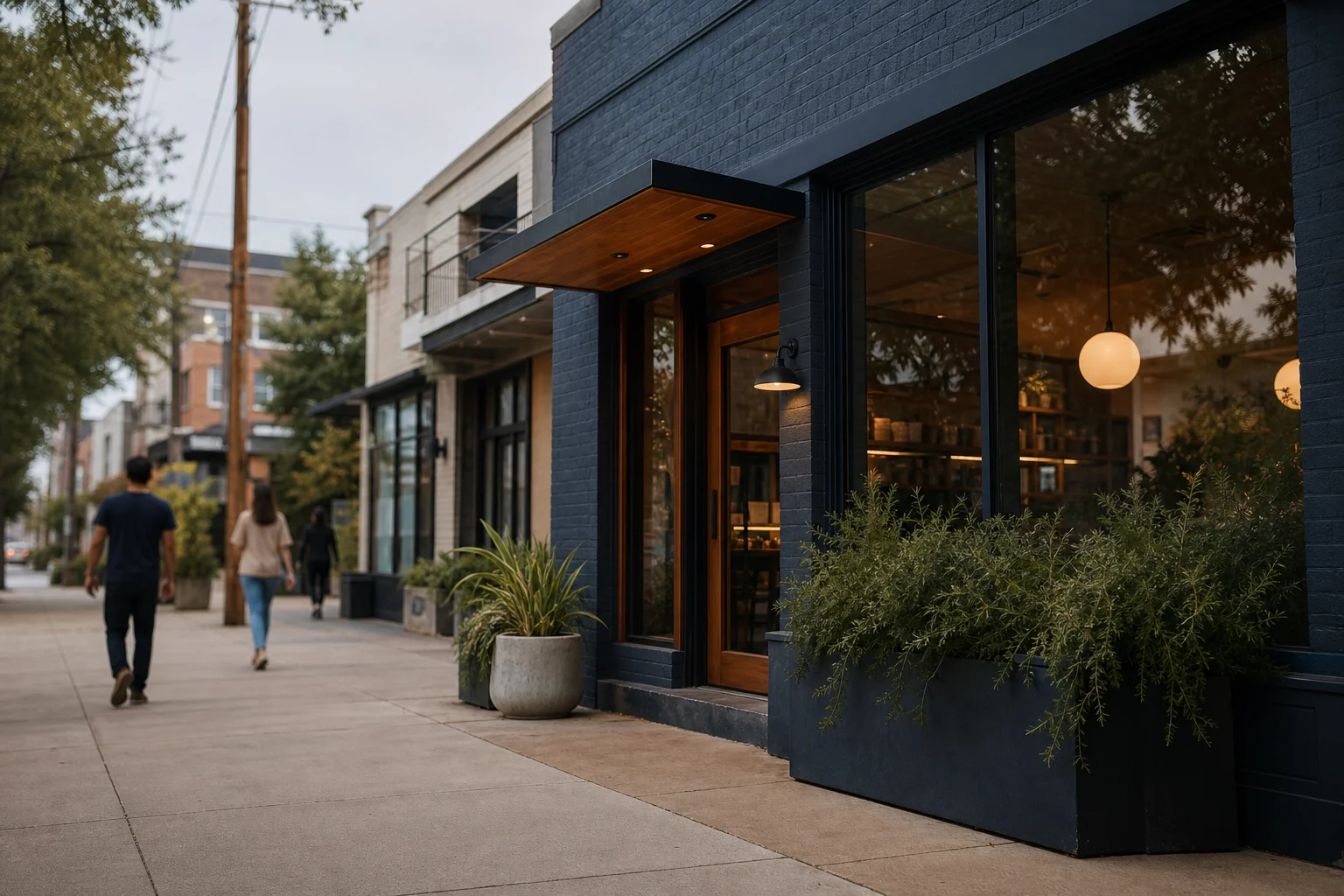
The permit stack to verify
Before signing any lease or investing in equipment, founders must verify a comprehensive stack of permits and licenses. This process involves multiple layers of compliance from different authorities. Each category serves a specific purpose in ensuring your pet grooming salon operates legally and safely within San Antonio's regulatory framework.
City, state, landlord, health, fire, signage, and tax registrations
City-level permits form the foundation of your compliance structure. These typically include basic business operating licenses specific to San Antonio's municipal requirements. The city may have zoning regulations that affect where you can operate a pet grooming salon, particularly in residential areas.
State-level requirements extend beyond city regulations. Texas state law mandates certain professional registrations for businesses handling animals. These state-level requirements ensure your business meets statewide standards for animal care and handling.
Landlord permissions are often overlooked but essential. Before making any physical changes to your space, you'll need written approval from your property owner. This includes modifications for grooming stations, bathing areas, and customer waiting spaces.
Health department compliance is non-negotiable for any business handling animals. San Antonio's health regulations will govern your sanitation procedures, waste disposal methods, and facility maintenance standards. These requirements protect both animal and human health.
Fire safety regulations apply to all commercial spaces, including pet grooming salons. Your facility must meet minimum safety standards for emergency exits, fire extinguishers, and electrical systems. These requirements are in place to protect your customers, employees, and the animals in your care.
Signage permits control the visual landscape of commercial areas. San Antonio may have specific regulations about the size, placement, and illumination of business signs. These rules maintain aesthetic consistency across neighborhoods.
Tax registrations include both state and federal requirements. You'll need to register for sales tax collection and employer identification numbers if you plan to hire staff. These registrations ensure your business meets its fiscal obligations to government authorities.
Documents to collect before lease signing
Before committing to a commercial space, gather all necessary documentation to verify compliance requirements. This research prevents costly surprises after signing a lease. The San Antonio market offers several promising neighborhoods for pet grooming salons.
Stone Oak ranks #1 for pet grooming in San Antonio with a score of 6.5/10. This area features a strong family-oriented residential base, above-average affluence, and two existing groomers within 100m that validate demand. Expect roughly $30-50/sqft NNN for a neighborhood-corridor lease.
West Side / Westside offers strong rent value with a score of 6.4/10. Expect roughly $30-50/sqft NNN in this area that already has a PetSmart (4.2★, 1,945 reviews) and Graceful Pet Grooming (4.6★, 270 reviews) operating nearby. The area has solid residential density and above-average office-index, supporting daytime lunch-adjacent grooming appointments.
Alamo Heights presents an upscale residential option with a score of 6.2/10. Expect roughly $30-50/sqft NNN in this affluent, walkable corridor adjacent to Trinity University and UIW. The area scores well on customer match for high-income pet owners, and the retail-anchor density (Alamo Quarry Market, The Shops at Lincoln Heights) drives consistent daytime traffic.
Each neighborhood may have slightly different regulatory requirements based on its specific zoning and commercial characteristics. Researching these differences before choosing a location can streamline your compliance process.
What varies by pet grooming salon format
The specific permits required may vary depending on your salon's format and services. Mobile grooming operations face different regulatory requirements than brick-and-mortar locations. Similarly, salons offering specialized services like veterinary grooming or cosmetic procedures may need additional compliance measures.
The scale of your operation also affects your permit requirements. A small salon with two grooming stations will have different needs than a large facility with multiple employees and specialized equipment. Your business model should guide your compliance research process.
Service offerings determine additional regulatory considerations. Salons providing bathing, brushing, and basic nail trims have different requirements than those offering more complex services like dental cleaning or medicated treatments. Each service category may trigger specific health and safety regulations.
FAQ
What permits do I need for A Pet Grooming Salon in San Antonio?
A pet grooming salon in San Antonio requires multiple layers of permits and licenses. These include city business operating licenses, state professional registrations, landlord permissions for facility modifications, health department compliance certificates, fire safety certifications, signage permits, and tax registrations. The specific requirements may vary based on your salon's location, size, and service offerings.
How do I verify zoning requirements for my pet grooming salon?
Before leasing a space, verify that the property is properly zoned for commercial pet grooming services. San Antonio's zoning regulations may restrict certain types of businesses in residential areas. Contact the city planning department or consult with a local commercial real estate professional familiar with San Antonio's zoning codes.
Are there special requirements for handling hazardous grooming chemicals?
San Antonio's health and safety regulations may have specific requirements for storing and handling grooming chemicals. These requirements typically include proper ventilation, storage cabinets, and safety equipment. Consult with health department officials to ensure compliance with chemical handling standards.
Do I need special certifications for grooming certain breeds?
While Texas state law may not require specific breed certifications, some specialized grooming services might require additional training or certification. Professional organizations offer voluntary certifications that can demonstrate expertise in handling specific breeds or grooming techniques.
How often do I need to renew my permits and licenses?
Permit and license renewal periods vary depending on the type of permit and issuing authority. Some may require annual renewal, while others might have multi-year validity periods. Check with each issuing authority to determine specific renewal requirements and timelines.
What should I do if my permit application is denied?
If your permit application is denied, request a detailed explanation of the reasons for denial. Address any deficiencies in your application or facility modifications before reapplying. In some cases, you may need to appeal the decision or consider alternative locations with different regulatory requirements.
How can I ensure my salon remains compliant after opening?
Maintain detailed records of all permits and licenses. Regularly review regulatory changes that might affect your business. Schedule routine inspections to proactively address potential compliance issues before they become violations. Consider consulting with a local business attorney specializing in regulatory compliance.
Last reviewed: 2026-05-08
Sources: U.S. Census Bureau ACS, LEHD LODES, Google Places, OpenStreetMap, Locavisor neighborhood scoring.
Methodology: Locavisor scores neighborhoods across demand, competition fit, rent fit, accessibility, and customer match. Scores reflect a snapshot of recent data and should be combined with on-the-ground research before lease decisions.
Disclaimer: This article provides informational content only and does not constitute legal, financial, accounting, or real-estate advice. Verify lease terms, licensing, local regulations, costs, and professional requirements with qualified local professionals before making business decisions.
Free preview shows top 3 neighborhoods. Full $9.99 report covers all 10 areas with personalized scoring + 90-day check-ins.
Informational only. Verify lease, licensing, local regulations, costs, and professional requirements with qualified local professionals.