Boston, MA · ramen and pho shop
Ramen and pho shop permits Boston
Opening a ramen or pho shop in Boston requires navigating a web of permits and licenses to operate legally. For small-business founders, understanding these requirements upfront can prevent costly delays and ensure compliance from day one. This guide breaks down the essential permits, timelines, and common pitfalls for launching a ramen or pho shop in Boston, with insights into top neighborhoods and real-world market context.
Why permits matter before you sign a lease
Permits are not just bureaucratic hurdles-they protect your business, customers, and community. Skipping or delaying permit applications can lead to fines, forced closures, or even legal action. For ramen and pho shops, which handle food preparation and potentially serve alcohol (e.g., sake or beer), compliance with health, fire, and zoning codes is non-negotiable. Landlords often require proof of permits before signing a lease, so securing approvals early is critical to securing a location.
Required permits and licenses for a ramen and pho shop in Boston
The core permits for a ramen or pho shop in Boston fall into five categories: city, state, health, fire, and signage. Below is a breakdown of what you'll need, with a focus on Boston-specific requirements:
- City Business License: All businesses operating in Boston must obtain a city license. This is your baseline permit to conduct business within city limits.
- State Food Service License: Issued by the Massachusetts Department of Public Health, this license covers food preparation, storage, and handling. For ramen and pho shops, this includes verifying that your kitchen meets sanitary standards for broth, noodles, and raw ingredients.
- Health Department Inspection: Boston's Inspectional Services Department (ISD) conducts routine inspections to ensure compliance with food safety codes. Focus areas include temperature control, cross-contamination prevention, and employee hygiene.
- Fire Department Permit: If your shop has a commercial kitchen (e.g., woks, steamers), you'll need a fire safety permit to ensure proper ventilation, fire suppression systems, and exit routes.
- Signage Permit: Outdoor signs (e.g., storefront, awnings) require approval from the Boston Planning & Development Agency (BPDA) to comply with zoning and aesthetic rules.
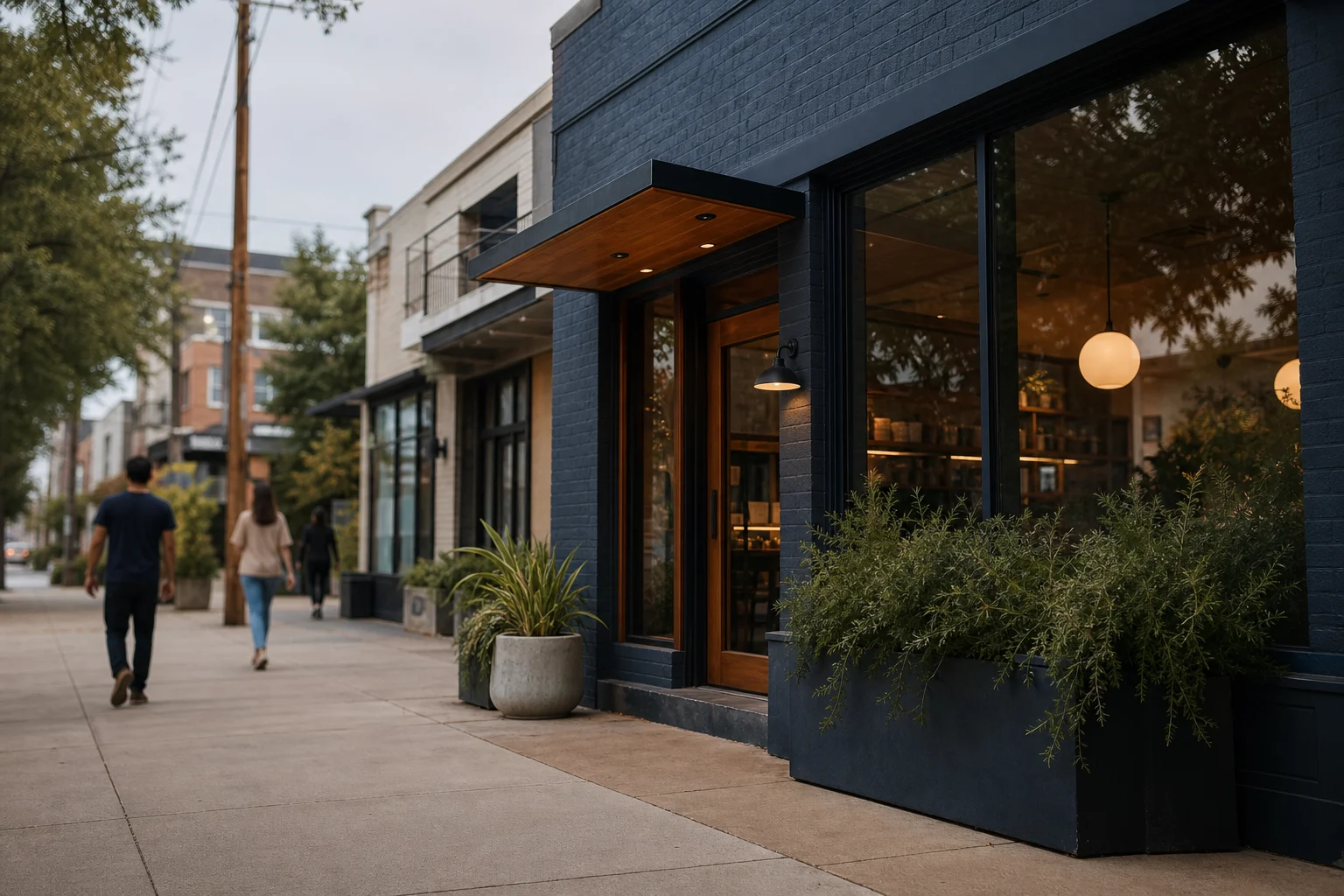
For ramen and pho shops, additional considerations include liquor licenses (if serving alcohol) and outdoor seating permits (if expanding to sidewalks or patios). Always verify requirements with the issuing agency, as rules can change.
Realistic timeline from application to opening
Permit timelines vary, but here's a typical flow for Boston:
- Pre-application research (a variable local timeline): Confirm zoning eligibility for your target neighborhood (e.g., Back Bay or Cambridge) and gather documents like floor plans.
- Application submission (a variable local timeline): Submit permits to the ISD, Fire Department, and BPDA.
- Inspections (a variable local timeline): Health and fire inspections may require corrections (e.g., updating ventilation or storage).
- Approval (a variable local timeline): Once inspections pass, permits are issued.
- Final setup (a variable local timeline): Install signage, finalize kitchen equipment, and train staff.
Total time: a variable local timeline. Delays often stem from incomplete applications or failed inspections, so thorough preparation is key.
Common reasons applications get rejected in Boston
Boston's ISD and Fire Department are strict about compliance. Common rejection triggers include:
- Incomplete paperwork: Missing floor plans, health department checklists, or proof of insurance.
- Kitchen violations: Improper storage of raw ingredients (e.g., meat, broth) or lack of handwashing stations.
- Fire code gaps: Inadequate fire suppression systems or blocked exit routes.
- Zoning conflicts: Operating in a residential zone without a variance or exceeding noise limits.
Reviewing Boston's municipal codes (e.g., Chapter 12: Health and Sanitation) and consulting a local attorney can help avoid these pitfalls.
How to budget for permits and inspections
Permit costs in Boston vary, but here's how to plan:
Quick reference - which neighborhoods minimize permit friction
Boston's neighborhoods vary in permit complexity and market density. Below is a comparison of top areas for ramen and pho shops, based on Locavisor scoring, rent bands, and key anchors:
| Neighborhood | Locavisor Score | Rent Band (NNN) | Key Anchors |
|---|
Neighborhoods like Quincy Center offer lower rent but may have less foot traffic, while Back Bay and Harvard Square have higher rent but established food scenes (e.g., Hokkaido Ramen Santouka Harvard Square, Pho Basil). Choose based on your budget and target audience.
| Neighborhood | Locavisor score | Rent band | Local operator signal | Founder validation check |
|---|---|---|---|---|
| Quincy Center / North Quincy | 6.5/10 | $26-$150/sqft/yr NNN | No direct operator listed | Confirm zoning, landlord approvals, inspections, and license timing. |
| Cambridge (Harvard Square) | 6.3/10 | $85/sqft/yr NNN | Hokkaido Ramen Santouka Harvard Square | Confirm zoning, landlord approvals, inspections, and license timing. |
| Cambridge (Kendall Square / MIT) | 6.0/10 | $85/sqft/yr NNN | No direct operator listed | Confirm zoning, landlord approvals, inspections, and license timing. |
| Back Bay | 5.8/10 | $150/sqft/yr NNN | Pho Basil, REDWHITE BONELESS RAMEN | Confirm zoning, landlord approvals, inspections, and license timing. |
| Fenway-Kenmore | 5.8/10 | $26-$150/sqft/yr NNN | Pho Basil, REDWHITE BONELESS RAMEN | Confirm zoning, landlord approvals, inspections, and license timing. |
FAQ
Q: What permits do I need to open a ramen and pho shop in Boston?
A: You'll need a city business license, state food service license, health department inspection, fire department permit, and signage permit. If serving alcohol, add a liquor license.
Q: Do I need a separate permit for outdoor seating?
A: Yes. Boston requires a sidewalk café permit from the BPDA, which includes safety and accessibility checks.
Q: How long does the health department inspection take?
A: Inspections typically take 1-2 hours, but corrections (e.g., fixing storage issues) can add a variable local timeline to approval.
Q: Can I operate a ramen shop from a home kitchen?
A: No. Boston prohibits home-based food businesses for commercial ramen or pho shops due to health and zoning rules.
This guide provides a framework for navigating Boston's permit landscape. Always verify requirements with local agencies and consult a professional to ensure compliance.
Last reviewed: 2026-05-30
Sources: U.S. Census Bureau ACS, LEHD LODES, Google Places, OpenStreetMap, Locavisor neighborhood scoring.
Methodology: Locavisor scores neighborhoods across demand, competition fit, rent fit, accessibility, and customer match. Scores reflect a snapshot of recent data and should be combined with on-the-ground research before lease decisions.
Disclaimer: This article provides informational content only and does not constitute legal, financial, accounting, or real-estate advice. Verify lease terms, licensing, local regulations, costs, and professional requirements with qualified local professionals before making business decisions.
Free preview shows top 3 neighborhoods. Full $9.99 report covers all 10 areas with personalized scoring + 90-day check-ins.
Informational only. Verify lease, licensing, local regulations, costs, and professional requirements with qualified local professionals.