Chicago, IL · ramen and pho shop
Ramen and pho shop permits Chicago
Opening a ramen or pho shop in Chicago requires navigating a web of permits and licenses to ensure compliance with local regulations. For small-business founders, understanding these requirements upfront can prevent costly delays and legal issues. This guide breaks down the essential permits, timelines, and common pitfalls to help you plan your launch.
Why permits matter before you sign a lease
Securing the right permits is non-negotiable-without them, your lease could become a liability. Chicago's Department of Business Affairs and Consumer Protection (BACP) and Department of Public Health (CDPH) enforce strict rules to protect public safety and zoning integrity. For example, a ramen shop in Hyde Park (score 6.4/10, rent band $22-$80/sqft/yr NNN) must meet health codes for food preparation, while a pho spot in Chinatown (score 6.3/10, same rent band) needs signage permits to avoid fines. Skipping this step risks shutdowns, fines, or even lease termination.
Verified operators like Strings Ramen Shop Hyde Park (4.6 stars, 795 reviews) and DaiFuku Ramen (4.7 stars, 786 reviews) in Chinatown demonstrate that compliance is table stakes. These businesses thrive because they aligned with local requirements early, avoiding disruptions that could harm their reputation.
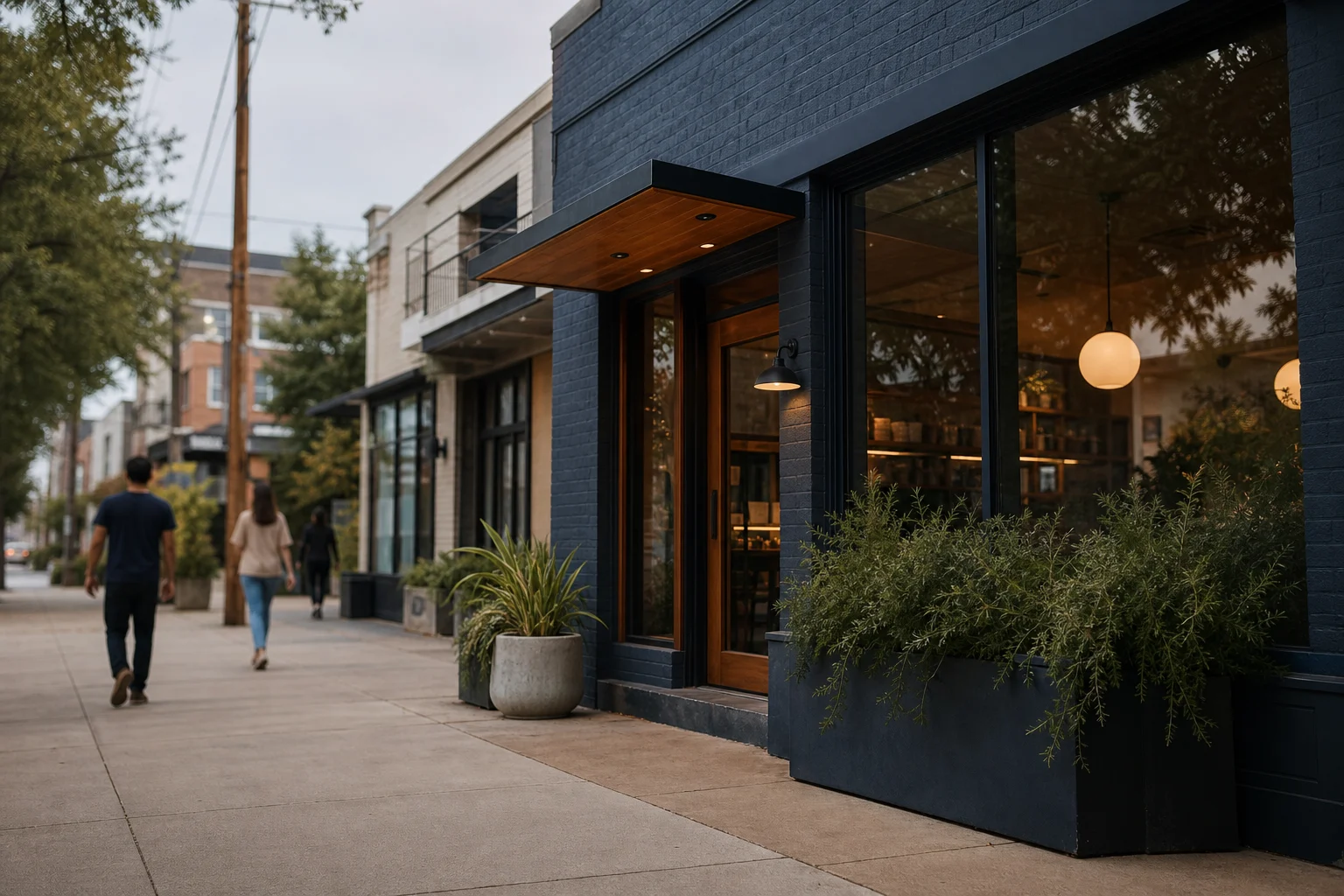
Required permits and licenses for a ramen and pho shop in Chicago
Chicago mandates several permits for food service businesses. Here's a breakdown:
- Business License: Issued by the city, this is your baseline to operate legally.
- Health Department Permit: The CDPH requires inspections for food storage, preparation, and sanitation.
- Fire Department Permit: Ensures your space meets fire safety codes, especially for commercial kitchens.
- Signage Permit: Regulates outdoor signs to maintain neighborhood aesthetics.
- Tax Registration: State and local taxes, including sales tax, must be filed.
- Insurance: General liability and workers' compensation are often required by landlords or the city.
- Professional Review: A licensed architect or engineer may need to sign off on kitchen layouts.
Always verify with the issuing agency-requirements can change, and missing a step (like a health inspection) can delay your opening by weeks.
Realistic timeline from application to opening
The permit process typically takes a variable local timeline, but delays are common. Start early: submit applications to BACP and CDPH simultaneously. For example, a ramen shop in Edgewater (score 6.0/10, rent band $22-$80/sqft/yr NNN) might wait 6 weeks for a health inspection, while a pho spot in Devon Ave / West Ridge (score 6.1/10) could face zoning reviews adding another 2 weeks. Factor in time for corrections-if your kitchen layout fails inspection, you'll need to resubmit.
Common reasons applications get rejected in Chicago
Rejections often stem from avoidable mistakes:
- Incomplete paperwork: Missing signatures or forms.
- Health code violations: Cross-contamination risks or improper storage.
- Zoning issues: Operating in a residential zone without a variance.
- Signage non-compliance: Signs too large or placed in restricted areas.
Customer reviews highlight operational pain points (e.g., service delays at peak times) that can signal underlying permit issues-address these proactively to avoid scrutiny.
How to budget for permits and inspections
Prioritize permits in your budget-skipping them to save money risks far greater losses.
Quick reference - which neighborhoods minimize permit friction
Chicago's top neighborhoods for ramen and pho shops balance demand and compliance. Here's a comparison:
| Neighborhood | Score | Rent Band | Key Anchors |
|---|---|---|---|
| Hyde Park | 6.4 | $22-$80/sqft/yr NNN | Hyde Park Shopping Center, University of Chicago |
| Chinatown | 6.3 | $22-$80/sqft/yr NNN | Chinatown Square Plaza, Cermak-Chinatown transit |
| Devon Ave / West Ridge | 6.1 | $22-$80/sqft/yr NNN | Loyola University Chicago, Devon & Ridge transit |
| Rogers Park | 6.1 | $22-$80/sqft/yr NNN | Gateway Centre Plaza, Rogers Park transit |
| Edgewater | 6.0 | $22-$80/sqft/yr NNN | Captains Walk Shopping Mall, Granville transit |
Neighborhoods with higher scores (e.g., Hyde Park) often have established food scenes, reducing zoning surprises. Rent bands are consistent across areas, but demand varies-Chinatown, for instance, has dense competition (Strings Ramen Shop, Slurp Slurp Noodles) but strong foot traffic.
| Neighborhood | Locavisor score | Rent band | Local operator signal | Founder validation check |
|---|---|---|---|---|
| Hyde Park | 6.4/10 | $22-$80/sqft/yr NNN | Strings Ramen Shop Hyde Park | Confirm zoning, landlord approvals, inspections, and license timing. |
| Chinatown | 6.3/10 | $22-$80/sqft/yr NNN | Strings Ramen Shop, DaiFuku Ramen | Confirm zoning, landlord approvals, inspections, and license timing. |
| Devon Ave / West Ridge | 6.1/10 | $22-$80/sqft/yr NNN | No direct operator listed | Confirm zoning, landlord approvals, inspections, and license timing. |
| Rogers Park | 6.1/10 | $22-$80/sqft/yr NNN | No direct operator listed | Confirm zoning, landlord approvals, inspections, and license timing. |
| Edgewater | 6.0/10 | $22-$80/sqft/yr NNN | Blowfish Sushi & Ramen Chicago, KOHOKU-KU RAMEN CHICAGO | Confirm zoning, landlord approvals, inspections, and license timing. |
FAQ
Q: What permits do I need to open a ramen and pho shop in Chicago?
A: You'll need a business license, health department permit, fire department permit, signage permit, tax registration, and insurance. Verify with the city's BACP and CDPH.
Q: How long does the permit process take in Chicago?
A: Typically a variable local timeline, but delays for inspections or corrections can extend this. Start a variable local timeline before your target opening.
Q: Can I open a ramen shop in a residential area in Chicago?
A: Most residential zones prohibit commercial food service. Check zoning with the city-variances are rare and costly. Stick to commercial districts like Hyde Park or Chinatown.
Q: Do I need a separate permit for delivery?
A: No, but ensure your kitchen layout complies with health codes for packaging and storage. Delivery apps may require additional business registrations.
Q: What if my health inspection fails?
A: The CDPH will provide a list of violations. Correct them and request a re-inspection-most businesses pass on the second try.
This guide equips you to tackle permits with confidence. By aligning with local rules and leveraging Chicago's top neighborhoods, you'll set your ramen or pho shop up for success.
Last reviewed: 2026-05-30
Sources: U.S. Census Bureau ACS, LEHD LODES, Google Places, OpenStreetMap, Locavisor neighborhood scoring.
Methodology: Locavisor scores neighborhoods across demand, competition fit, rent fit, accessibility, and customer match. Scores reflect a snapshot of recent data and should be combined with on-the-ground research before lease decisions.
Disclaimer: This article provides informational content only and does not constitute legal, financial, accounting, or real-estate advice. Verify lease terms, licensing, local regulations, costs, and professional requirements with qualified local professionals before making business decisions.
Free preview shows top 3 neighborhoods. Full $9.99 report covers all 10 areas with personalized scoring + 90-day check-ins.
Informational only. Verify lease, licensing, local regulations, costs, and professional requirements with qualified local professionals.