Detroit, MI · ramen and pho shop
Ramen and pho shop permits Detroit
For ramen and pho shop founders in Detroit, navigating the permit landscape can be complex. This guide breaks down the essential compliance requirements for opening your restaurant in Detroit's top neighborhoods. 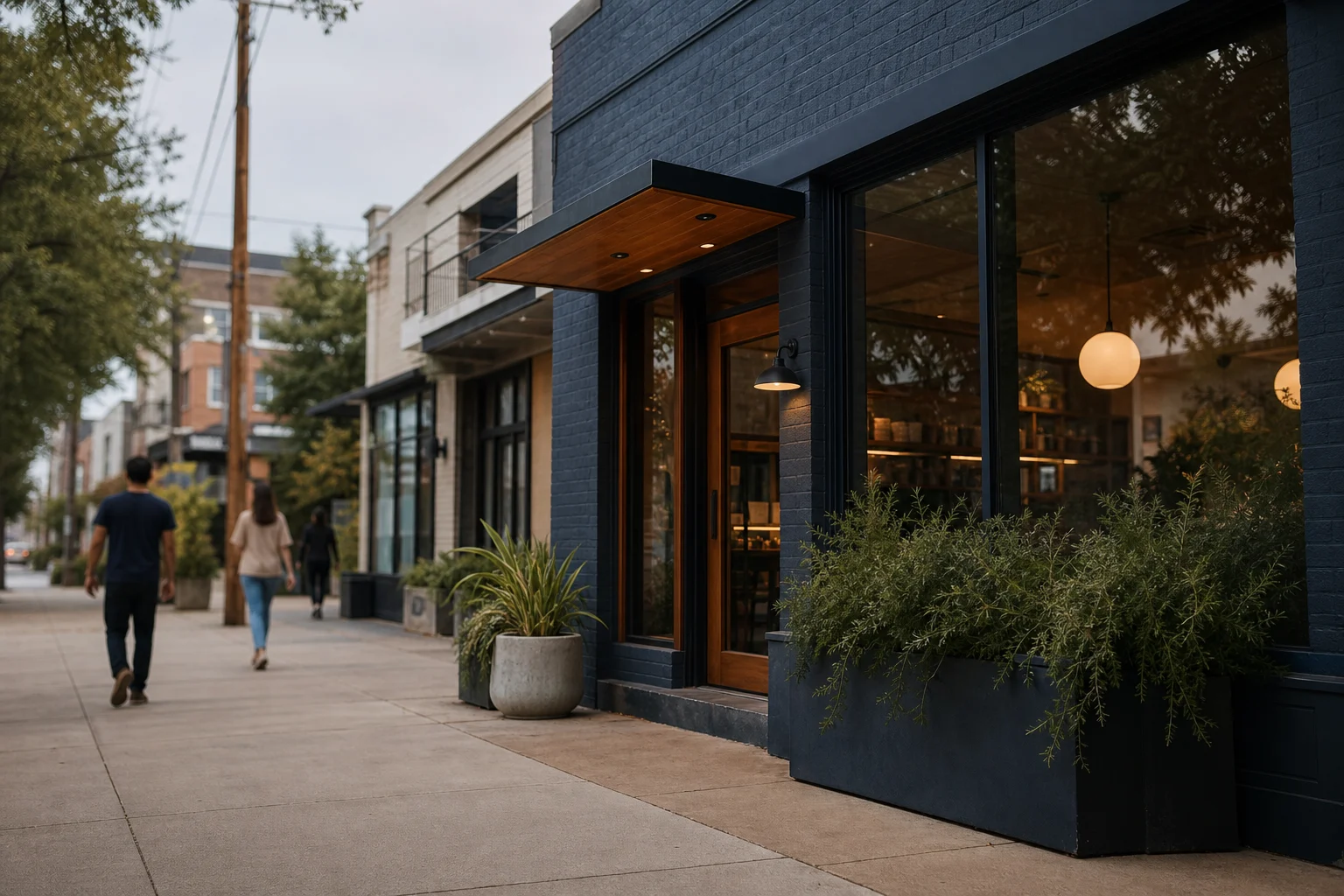
The permit stack to verify
Opening a ramen and pho shop in Detroit requires verifying multiple compliance categories. Each category serves a distinct purpose in ensuring your business operates legally and safely. The verification process varies based on your specific location and business format.
City, state, landlord, health, fire, signage, and tax registrations
Detroit's ramen and pho shop entrepreneurs must verify city business registration requirements. State-level licensing covers food service operations and employee regulations. Landlord approvals often include modifications to existing spaces and specific operational restrictions.
Health department compliance covers food preparation, storage, and service protocols. Fire safety verification addresses occupancy limits, emergency exits, and equipment placement. Signage regulations govern exterior displays and promotional materials. Tax registration includes sales tax collection and business tax obligations.
Documents to collect before lease signing
Before signing a lease for your ramen and pho shop, collect specific documentation. Verify zoning regulations allow food service operations in your chosen location. Confirm the property has existing certificates for health, fire, and building compliance.
Review previous inspection reports for any outstanding issues. Obtain utility capacity information for water, gas, and electrical systems. Check for any planned construction or roadwork that might impact access. Document the condition of existing facilities and equipment included in the lease.
What varies by ramen and pho shop format
Your ramen and pho shop format significantly impacts permit requirements. A full-service restaurant with seating faces different compliance than a takeout-only operation. Alcohol service requires additional verification beyond standard food service permits.
Drive-thru or curbside pickup options may have specific signage and operational requirements. Food trucks or pop-up locations have separate mobile vendor regulations. Delivery operations require additional business registration and insurance considerations.
FAQ
What permits do I need for A Ramen and Pho Shop in Detroit?
Your ramen and pho shop requires verification across multiple compliance categories. City business registration establishes your legal operating status. State licensing covers food service operations and employee regulations. Landlord approvals address space modifications and operational restrictions.
Health department compliance ensures food safety protocols. Fire safety verification addresses emergency systems and equipment. Signage regulations govern exterior displays. Tax registration includes sales tax collection and business tax obligations. The specific requirements vary based on your location, format, and operational details.
Which Detroit neighborhoods are best for a ramen and pho shop?
Locavisor neighborhood scoring identifies three top areas for ramen and pho shops in Detroit:
Downtown Detroit (6.5/10) — Detroit's downtown core — Woodward Ave, Campus Martius, GM Renaissance Center — is the city's densest weekday lunch market. Zero direct ramen/pho competitors within the search radius, which is both an opportunity and a yellow flag: the concept is unproven here. Expect roughly $30-50/sqft NNN.
Lafayette Park (6.3/10) — Lafayette Park sits just east of downtown — Mies van der Rohe townhouses, strong residential density, and a 12-min walk to the core. Expect roughly $30-50/sqft NNN. Office density is near ceiling, which powers a strong lunch daypart, but the family index is very low and affluence is moderate. No direct ramen/pho competitors found.
Corktown (6.2/10) — Corktown — Michigan Ave corridor anchored by the Ford Michigan Central Station redevelopment and Slows Bar BQ. Expect roughly $30-50/sqft NNN. The area has a strong evening bar-and-dining scene (Corktown Taphouse, Lager House, Sugar House) but the lunch daypart is below-average compared to downtown. No direct ramen/pho competitors.
How does competition impact permit requirements?
Competition density doesn't directly affect permit requirements. However, market conditions influence business strategy and format decisions. Areas with zero direct competitors like Downtown Detroit present both opportunity and risk. The unproven nature of the concept may affect your business planning but doesn't change compliance obligations.
What should I consider before choosing a location?
Consider the market temperature and competition density in your chosen area. Evaluate the rent level against your budget and business model. Assess the alignment between your concept and the area's demographic profile. Consider operational hours that match the area's peak activity periods.
How does the takeout-first concept affect permits?
A takeout-first concept simplifies some compliance aspects. Reduced seating capacity may affect occupancy calculations and fire safety requirements. Limited seating often results in lower health department scrutiny regarding customer areas. However, kitchen operations and food preparation standards remain the same regardless of service format.
What professional advice should I seek?
Consult with legal professionals specializing in restaurant business formation. Engage an architect or contractor familiar with food service regulations. Consider financial advisors for tax planning and business structure. Industry consultants can provide insights specific to ramen and pho operations in Detroit's market.
How do I verify compliance before opening?
Create a checklist covering all compliance categories. Schedule inspections with relevant authorities well in advance of your opening date. Maintain detailed records of all verifications and approvals. Allow buffer time for addressing any issues that arise during the verification process.
What happens if I don't complete all verifications?
Operating without proper compliance can result in fines, closure orders, or legal action. Health violations may lead to immediate shutdown of food service operations. Fire safety non-compliance can restrict occupancy or prevent opening. Tax issues can result in penalties and interest charges.
How often do I need to renew permits?
Compliance requirements typically need periodic renewal. Business registrations usually require annual updates. Health department certifications often need regular inspections and renewals. Fire safety certifications may require periodic testing and documentation updates. Tax registrations need ongoing compliance and periodic filings.
Can I open with partial compliance?
Partial compliance generally isn't sufficient for legal operation. Some aspects may have temporary approvals during setup, but full compliance is typically required before serving customers. Authorities may allow phased implementation for certain requirements, but core safety and health standards must be met before opening.
Last reviewed: 2026-05-08
Sources: U.S. Census Bureau ACS, LEHD LODES, Google Places, OpenStreetMap, Locavisor neighborhood scoring.
Methodology: Locavisor scores neighborhoods across demand, competition fit, rent fit, accessibility, and customer match. Scores reflect a snapshot of recent data and should be combined with on-the-ground research before lease decisions.
Disclaimer: This article provides informational content only and does not constitute legal, financial, accounting, or real-estate advice. Verify lease terms, licensing, local regulations, costs, and professional requirements with qualified local professionals before making business decisions.
Free preview shows top 3 neighborhoods. Full $9.99 report covers all 10 areas with personalized scoring + 90-day check-ins.
Informational only. Verify lease, licensing, local regulations, costs, and professional requirements with qualified local professionals.