Portland, OR · ramen and pho shop
Ramen and pho shop permits Portland
Opening a ramen and pho shop in Portland requires navigating a complex web of permits and licenses. This guide breaks down what you need to know before you sign a lease or start construction. Portland's food scene is competitive, with established players like Ramen Ryoma and Kizuki Ramen & Izakaya already serving customers downtown. Understanding the permit process is your first step toward joining this vibrant culinary community.
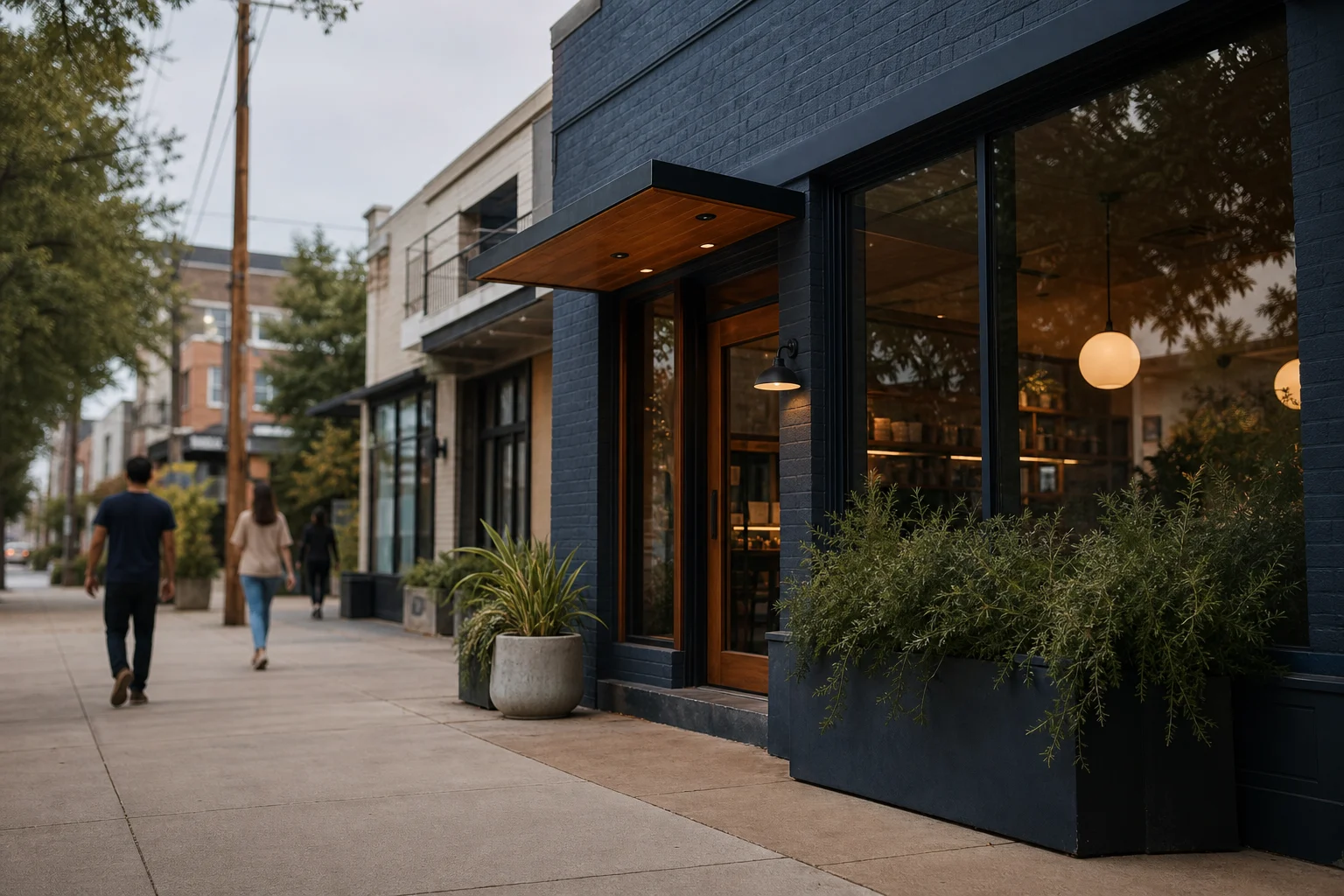
Why permits matter before you sign a lease
Permits aren't just bureaucratic hurdles-they're your protection against costly mistakes. Signing a lease before securing necessary permits can lead to unexpected delays, fines, or even having to redesign your space. Portland's building codes and health regulations are designed to ensure public safety, and compliance starts with proper permitting.
The neighborhoods where you'll operate have different requirements and inspection standards. Downtown Portland, with its high foot traffic and established food scene, has different considerations than St. Johns, which offers a more community-focused environment. Understanding these differences before committing to a location can save you time and money.
Ramen Ryoma and Kizuki Ramen & Izakaya have successfully navigated Portland's permitting landscape, but each neighborhood presents unique challenges. Downtown's rent band of $42/sqft/yr NNN reflects its prime location, but this comes with more stringent regulations. In contrast, Goose Hollow offers a rent band of $25-$42/sqft/yr NNN, potentially reducing your initial costs while still providing access to customers.
Required permits and licenses for a ramen and pho shop in Portland
So, what permits do I need to open a ramen and pho shop in Portland? The answer depends on your specific location and business model, but most ramen and pho shops will need several key permits:
- Business License: Required for all businesses operating in Portland, available through the City of Portland.
- Food Service License: Issued by the Oregon Health Authority, this permit ensures your kitchen meets health and safety standards.
- Building Permit: Necessary for any construction or renovation, including kitchen installations and plumbing.
- Signage Permit: Regulates the size, placement, and illumination of your business sign.
- Fire Permit: Ensures your space meets fire safety codes, especially important for restaurants with open cooking areas.
The House of Ramen PDX and Aiko Ramen in downtown Portland have all secured these permits, demonstrating that compliance is achievable. Each permit has specific requirements, and the application process can vary depending on your location within Portland.
Health permits are particularly critical for ramen and pho shops, as these cuisines involve handling raw ingredients and preparing broths. The Oregon Health Authority inspects kitchens for proper food storage, preparation surfaces, and employee hygiene practices. Ramen Ciro SW3rd Av. has successfully navigated these requirements, maintaining a 4.5-star rating.
Realistic timeline from application to opening
The permit process in Portland typically takes a variable local timeline, but this can vary based on the complexity of your project and the specific neighborhood. Downtown locations may face longer review times due to higher traffic and more stringent regulations, while areas like Hollywood District might have quicker processing.
The Bulgogi + Dukuhbee Noodle in Hollywood District likely went through this timeline, opening their doors after securing all necessary permits. Their 4.5-star rating suggests they met Portland's standards for food safety and business operations.
During this period, you'll need to coordinate with multiple agencies. The City of Portland handles business licenses and building permits, while the Oregon Health Authority manages food service licenses. Fire permits are typically reviewed by the Portland Fire & Rescue department.
Customer reviews of Portland ramen shops mention service quality and atmosphere, but rarely discuss the permit process. However, the absence of health code violations in reviews of successful establishments like Ramen Ryoma indicates they've successfully navigated inspections.
Common reasons applications get rejected in Portland
Permit applications get rejected for several avoidable reasons. The most common issues include incomplete applications, failure to meet zoning requirements, and non-compliance with health codes. Downtown Portland, with its strict regulations, sees more rejections due to its higher standards.
Another frequent problem is incorrect signage. Portland has specific rules about sign size, placement, and illumination that many new business owners overlook. The Hollywood District, with its mix of commercial and residential areas, has particular signage restrictions that The Bulgogi + Dukuhbee Noodle likely had to navigate.
Health code violations are the most serious rejection reasons. These include improper food storage, inadequate handwashing facilities, and insufficient ventilation. Ramen shops like Kizuki Ramen & Izakaya maintain high ratings partly because they've mastered these requirements.
Construction-related issues also cause delays. Unpermitted electrical work, improper plumbing installations, and failure to meet accessibility standards are common problems. The House of Ramen PDX likely avoided these issues by working with licensed contractors familiar with Portland's building codes.
How to budget for permits and inspections
Inspection costs can add up, especially if you need multiple follow-up inspections. Health inspections may require corrections that involve additional expenses. The rent bands in Portland neighborhoods provide context for these costs-Downtown's $42/sqft/yr NNN means higher operating costs that should be factored into your permit budget.
Insurance is another consideration. Portland requires businesses to carry general liability insurance, and food establishments often need additional coverage for equipment and inventory. These costs, while not permits, are part of your overall business setup budget.
The customer review themes from Portland ramen shops mention atmosphere and service quality, but not permit costs. However, successful establishments like Ramen Ryoma have likely factored these expenses into their business model to maintain quality while covering regulatory requirements.
Quick reference - which neighborhoods minimize permit friction
Portland's neighborhoods offer different advantages when it comes to permitting. Here's a quick comparison of the top locations for ramen and pho shops:
| Neighborhood | Score | Rent Band | Permit Considerations |
|---|---|---|---|
| Downtown | 5.9/10 | $42/sqft/yr NNN | Strict regulations, higher fees, more inspections |
| Goose Hollow | 5.9/10 | $25-$42/sqft/yr NNN | Balanced regulations, good transit access |
| St. Johns | 5.6/10 | $25-$42/sqft/yr NNN | Community-focused, potentially more flexible |
| OHSU / South Waterfront | 5.6/10 | $25-$42/sqft/yr NNN | Health-focused area, specific regulations |
| Hollywood District | 5.5/10 | $25-$42/sqft/yr NNN | Mixed-use, signage restrictions |
Downtown Portland offers the highest foot traffic but comes with the most stringent regulations. Ramen Ryoma and Kizuki Ramen & Izakaya have successfully navigated these requirements, proving it's possible but requiring careful planning.
Goose Hollow provides a middle ground with slightly lower rent bands of $25-$42/sqft/yr NNN while maintaining good access to downtown customers. This area might offer a balance of visibility and regulatory complexity.
St. Johns, with its rent band of $25-$42/sqft/yr NNN, offers a more neighborhood-focused environment that could be advantageous for building a local customer base. The area's proximity to University of Portland may attract student customers.
OHSU / South Waterfront, also with a rent band of $25-$42/sqft/yr NNN, is ideal for health-conscious customers but comes with specific regulations related to its medical district status.
Hollywood District, with the same rent band, offers good transit access and a mix of commercial and residential spaces. The Bulgogi + Dukuhbee Noodle has found success here, suggesting the area is viable for ramen and pho shops.
FAQ
What's the first permit I should apply for when opening a ramen shop in Portland?
The first permit you should apply for is your Business License from the City of Portland. This establishes your legal right to operate in the city and is typically required before you can obtain other permits like food service licenses.
How long does the health permit process take in Portland?
The health permit process in Portland typically takes a variable local timeline, but this can vary based on the completeness of your application and whether your space meets all health code requirements. The Oregon Health Authority may require follow-up inspections if initial issues are found.
Do I need a special permit for outdoor seating at my ramen shop in Portland?
Yes, outdoor seating in Portland requires additional permits, including a Sidewalk Café Permit and potentially a Public Right-of-Way Use Permit. These permits have specific requirements for seating placement, barriers, and operational hours.
Last reviewed: 2026-05-30
Sources: U.S. Census Bureau ACS, LEHD LODES, Google Places, OpenStreetMap, Locavisor neighborhood scoring.
Methodology: Locavisor scores neighborhoods across demand, competition fit, rent fit, accessibility, and customer match. Scores reflect a snapshot of recent data and should be combined with on-the-ground research before lease decisions.
Disclaimer: This article provides informational content only and does not constitute legal, financial, accounting, or real-estate advice. Verify lease terms, licensing, local regulations, costs, and professional requirements with qualified local professionals before making business decisions.
Free preview shows top 3 neighborhoods. Full $9.99 report covers all 10 areas with personalized scoring + 90-day check-ins.
Informational only. Verify lease, licensing, local regulations, costs, and professional requirements with qualified local professionals.