San Antonio, TX · ramen and pho shop
Ramen and pho shop permits San Antonio
Opening a ramen and pho shop in San Antonio requires navigating a complex web of permits and licenses. The city's food scene is growing, with specific neighborhoods showing particular promise for this type of establishment. Before you can serve your first bowl of ramen or pho, you'll need to verify multiple compliance requirements at the city, state, landlord, health, fire, signage, and tax levels.
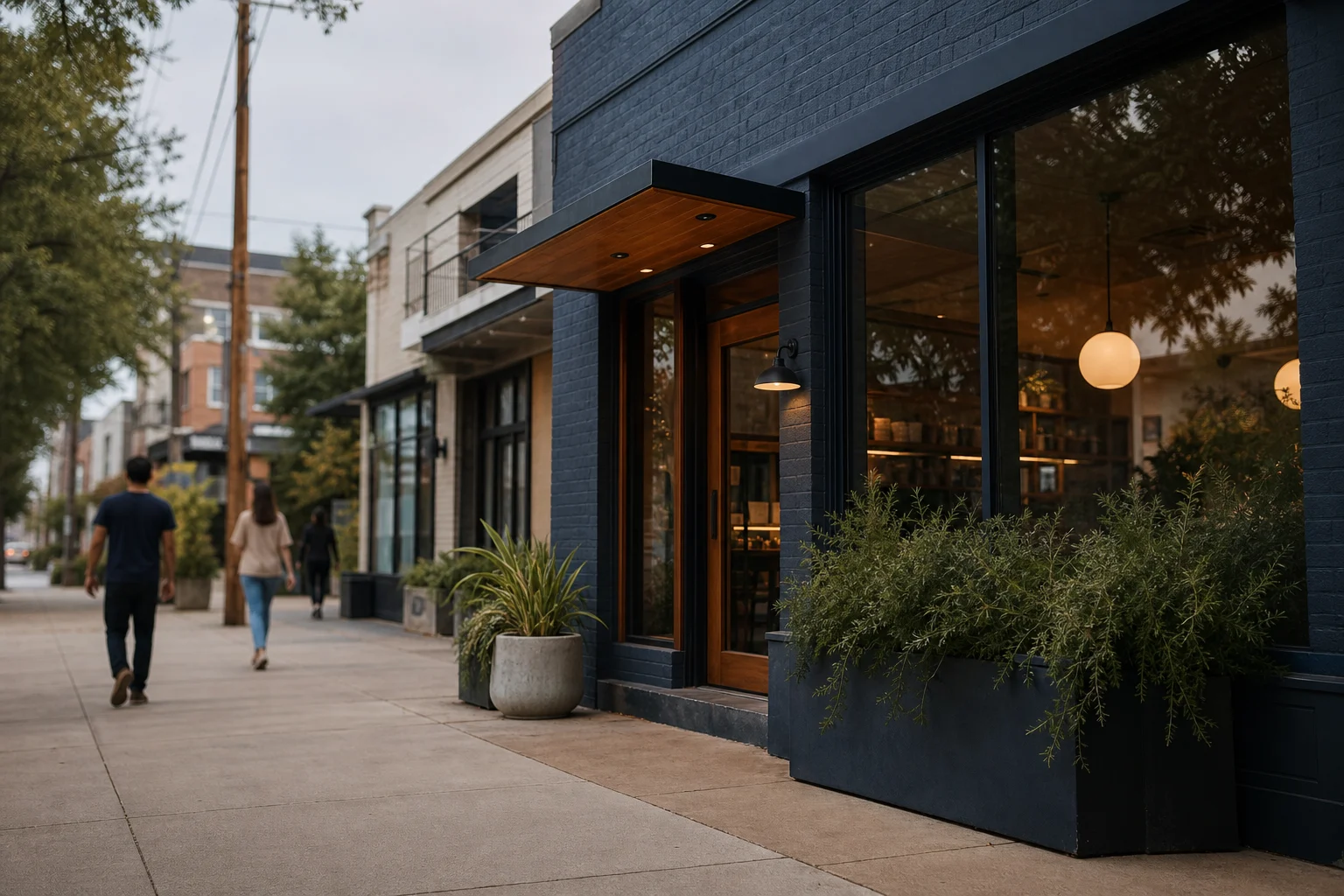
The permit stack to verify
When planning your ramen and pho shop in San Antonio, understanding the permit landscape is crucial. The city offers several promising locations based on Locavisor neighborhood scoring. UTSA Main Campus area ranks highest at 6.9/10, offering first-mover advantage with zero direct ramen/pho competitors within the campus zone. The area benefits from UTSA's 30K+ student population and strong lunch-daypart dynamics. Walkability is near-ceiling for a suburban campus, and the student index is maxed out.
West Side / Westside follows at 6.3/10, with strong rentFit (9.9) and competitionFit (10) scores. Two existing ramen/pho operators—Ginza Ramen and Poke (4.4★, 729 reviews) and Thai Lao and Pho (4.2★, 215 reviews)—are already within 600m, proving concept demand but also creating direct competition. Rent sits in the $30-50/sqft NNN neighborhood corridor range.
Downtown San Antonio ranks third at 6.1/10, with strong rentFit (9.7) and competitionFit (10)—zero ramen/pho competitors in the core downtown area. The River Walk, Alamo, and Shops at Rivercenter drive strong tourist and daytime office traffic. However, demand score (3.3) and customerMatch (3.3) are low: the tourist-heavy daypart skews toward evening entertainment and quick-service, not noodle-soup lunch.
City, state, landlord, health, fire, signage, and tax registrations
Your ramen and pho shop will require multiple registrations across different jurisdictions. At the city level, you'll need to verify basic business registration requirements. San Antonio has specific regulations for food establishments that you must comply with.
State-level requirements include business entity registration and tax obligations. Texas has particular requirements for food service businesses that you'll need to address.
Your landlord may have additional requirements beyond the city and state regulations. These often include specific operational hours, signage restrictions, and maintenance responsibilities.
Health permits are non-negotiable for any food service operation. You'll need to ensure your facility meets all health standards for food preparation, storage, and service.
Fire safety compliance is another critical component. Your ramen and pho shop must meet all fire safety requirements, including proper exits, fire suppression systems, and hazard storage.
Signage regulations vary by location in San Antonio. You'll need to verify what types of signs are permitted and where they can be placed.
Tax registration includes both state and local requirements. You'll need to register for sales tax and any local business taxes that apply to your location.
Documents to collect before lease signing
Before signing a lease for your ramen and pho shop, gather all necessary documentation. This includes proof of business registration, zoning verification for your specific location, and any historical compliance reports for the property.
Verify that the property has the necessary utility connections and capacity for your ramen and pho shop operations. This includes water, gas, electrical, and ventilation systems.
Check for any existing health or fire department permits that may transfer to your business. If the property has housed a previous food service business, review their inspection history.
Ensure you have all required insurance documentation before committing to a lease. This may include general liability, property insurance, and workers' compensation coverage.
Review any neighborhood association or business improvement district requirements that might apply to your location. These can include additional operational restrictions or assessment fees.
What varies by ramen and pho shop format
The specific permits required for your ramen and pho shop may vary based on your format. A quick-service counter operation will have different requirements than a full-service restaurant with seating.
Takeout-focused ramen and pho shops may have different health and safety requirements than establishments with dine-in service. Your seating capacity and layout will impact fire safety regulations.
If you plan to serve alcohol, additional permits and registrations will be required. This includes separate health inspections and specific signage requirements.
Food trucks and pop-up ramen and pho shops have their own set of permits and regulations. These may include mobile vendor permits and temporary event approvals.
Seasonal or holiday-specific operations may require additional temporary permits. Verify these requirements if your business model includes periodic closures or special events.
FAQ
What permits do I need for A Ramen and Pho Shop in San Antonio?
You'll need a combination of city, state, landlord, health, fire, signage, and tax registrations. Specific requirements vary based on your shop format and location within San Antonio. The UTSA Main Campus area offers first-mover advantage with zero direct ramen/pho competitors, while West Side has existing operators but strong rent and competition scores. Downtown has no direct competitors but faces lower demand scores for noodle-soup lunch service.
How do I verify zoning for my ramen and pho shop location?
Before signing a lease, verify that your intended location is properly zoned for food service operations. Check with the city planning department to confirm your specific address allows for the type of ramen and pho shop you plan to operate.
What health requirements apply to ramen and pho shops specifically?
Health requirements focus on food safety, proper storage temperatures, and sanitation protocols. Your ramen and pho shop must meet all health department standards for handling raw ingredients, cooking temperatures, and preventing cross-contamination.
Are there special considerations for ramen and pho shop ventilation systems?
Ventilation systems must handle the specific cooking methods used in ramen and pho preparation, including boiling broths and frying ingredients. Your system must meet local air quality standards and fire safety requirements.
How do I handle health inspections for my ramen and pho shop?
Schedule regular health inspections and address any violations promptly. Maintain detailed records of food safety procedures, staff training, and maintenance schedules to demonstrate compliance during inspections.
What signage restrictions apply to ramen and pho shops in San Antonio?
Signage regulations vary by neighborhood and zoning district. Verify permitted sign types, sizes, and placement restrictions for your specific location before designing your shop's exterior signage.
How do I register for sales tax for my ramen and pho shop?
Register with the Texas Comptroller's office for sales tax collection. You'll need to collect sales tax on all taxable food and beverage sales and remit these taxes according to the state's reporting schedule.
What insurance requirements apply to ramen and pho shops?
Typical insurance requirements include general liability, property insurance, and workers' compensation coverage. Your specific needs may vary based on your shop size, services offered, and number of employees.
How do I verify fire safety requirements for my ramen and pho shop?
Consult with fire safety professionals to ensure your shop meets all fire codes, including proper exits, fire suppression systems, and hazard storage requirements. Regular fire safety inspections may be required.
What landlord requirements might affect my ramen and pho shop operations?
Your lease may include specific operational hours, signage restrictions, and maintenance responsibilities. Review these carefully before signing to ensure they align with your business plan.
Last reviewed: 2026-05-08
Sources: U.S. Census Bureau ACS, LEHD LODES, Google Places, OpenStreetMap, Locavisor neighborhood scoring.
Methodology: Locavisor scores neighborhoods across demand, competition fit, rent fit, accessibility, and customer match. Scores reflect a snapshot of recent data and should be combined with on-the-ground research before lease decisions.
Disclaimer: This article provides informational content only and does not constitute legal, financial, accounting, or real-estate advice. Verify lease terms, licensing, local regulations, costs, and professional requirements with qualified local professionals before making business decisions.
Free preview shows top 3 neighborhoods. Full $9.99 report covers all 10 areas with personalized scoring + 90-day check-ins.
Informational only. Verify lease, licensing, local regulations, costs, and professional requirements with qualified local professionals.