San Francisco, CA · ramen and pho shop
Ramen and pho shop permits San Francisco
Opening a ramen and pho shop in San Francisco requires navigating a complex web of permits and licenses. The city's vibrant food scene presents both opportunity and regulatory hurdles for entrepreneurs. Before you can serve your first bowl of ramen or pho, you'll need to verify several compliance requirements across multiple jurisdictions.
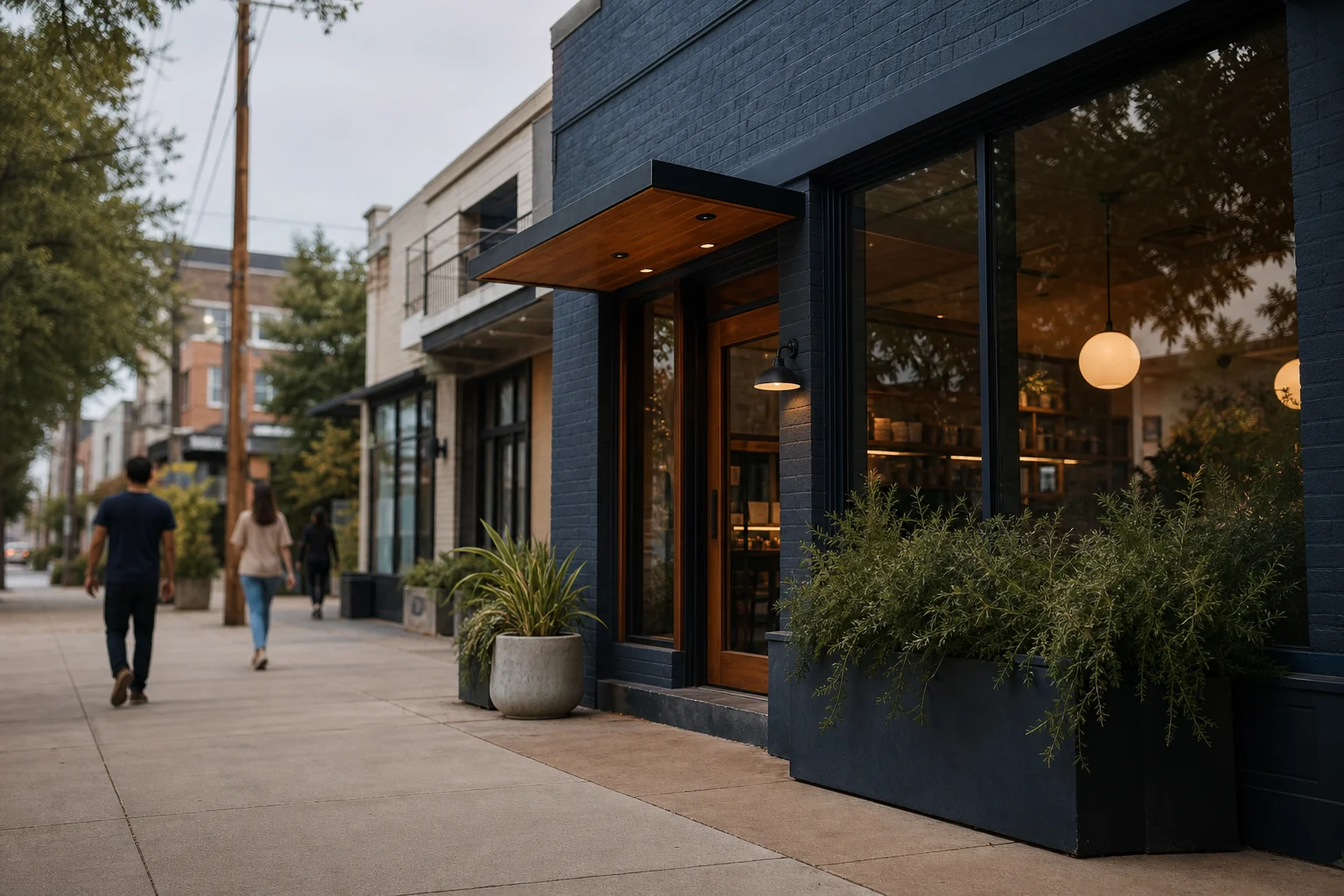
The permit stack to verify
When planning your ramen and pho shop in San Francisco, understanding the full permit stack is essential. The city's regulatory environment requires verification across multiple categories. Each category has specific requirements that must be addressed before opening your doors.
City, state, landlord, health, fire, signage, and tax registrations
Your ramen and pho shop will need to register with various city and state authorities. These registrations form the foundation of your legal operation. San Francisco requires specific business registrations that differ from state-level requirements.
Landlord approvals are often overlooked but critical for compliance. Your lease agreement should address specific requirements related to your food service operation. Health department regulations govern everything from food preparation to storage requirements. Fire safety compliance ensures your space meets safety standards for both customers and staff.
Signage regulations in San Francisco control what and where you can display your business name. Tax registrations include both state sales tax and local business tax requirements. Insurance requirements vary based on your specific business model and location.
Documents to collect before lease signing
Before signing a lease for your ramen and pho shop, collect all necessary documentation. Verify zoning regulations for your specific neighborhood and business type. Obtain proof of business registration from the appropriate city and state authorities.
Review health department requirements specific to food service establishments. Check fire safety codes that may impact your build-out plans. Understand signage restrictions in your chosen location. Gather tax registration documents and proof of required insurance coverage.
What varies by ramen and pho shop format
The permit requirements for your ramen and pho shop will vary based on your specific format. A sit-down restaurant with full kitchen faces different requirements than a take-only counter service model. Food trucks and pop-up locations have their own unique regulatory landscape.
Your chosen neighborhood also impacts your permit requirements. The Tenderloin, Nob Hill, and Excelsior/Outer Mission each have distinct characteristics that affect compliance. The Tenderloin offers high foot traffic but faces intense competition with four existing ramen/pho competitors within 800m. Nob Hill provides strong daytime office-worker density with slightly lower rent burden. Excelsior/Outer Mission presents a residential-anchored option with only one direct competitor in the area.
Market temperature in San Francisco is mixed, with medium competition density and medium rent levels. Your business format and location choice will determine which permits take priority in your compliance strategy.
FAQ
What permits do I need for A Ramen and Pho Shop in San Francisco?
Your ramen and pho shop will require verification across multiple permit categories. City business registration is mandatory for operating legally in San Francisco. State-level registrations include business tax requirements specific to food service operations.
Landlord approvals must address your specific food service needs in the leased space. Health regulations govern food preparation, storage, and service requirements. Fire safety compliance ensures your space meets safety standards. Signage regulations control business visibility and advertising. Tax registrations include both state and local requirements. Insurance coverage protects your business and meets regulatory standards.
How do neighborhood characteristics affect permit requirements?
Neighborhood characteristics significantly impact your permit strategy. The Tenderloin offers high foot traffic with four ramen/pho competitors within 800m. Nob Hill provides strong daytime office density with slightly lower rent. Excelsior/Outer Mission presents a residential market with only one direct competitor.
Each neighborhood has unique zoning and business regulations. Market temperature, competition density, and rent levels vary by location. Your chosen neighborhood will determine specific compliance priorities and regulatory hurdles.
What documentation should I prepare before lease signing?
Before signing a lease, prepare comprehensive documentation. Verify zoning regulations for your specific business type. Obtain proof of business registration from city and state authorities. Review health department requirements for food service establishments.
Check fire safety codes that may impact your build-out plans. Understand signage restrictions in your chosen location. Gather tax registration documents and proof of required insurance coverage. Complete documentation ensures smoother permitting processes after lease signing.
How does business format impact permit requirements?
Your business format significantly affects your permit strategy. A sit-down restaurant with full kitchen faces different requirements than a take-only model. Food trucks and pop-up locations have unique regulatory landscapes.
Each format requires specific health and safety compliance measures. Your chosen format determines which permits take priority in your compliance strategy. Understanding these differences helps streamline your permitting process.
What professional services should I consider for compliance?
Professional services can streamline your compliance process. Legal advisors familiar with San Francisco food service regulations provide valuable guidance. Accountants help navigate tax registration requirements.
Architects and contractors familiar with health and fire codes ensure build-out compliance. Professional consultants with experience in the San Francisco food scene offer neighborhood-specific insights. Investing in professional services saves time and reduces compliance risks.
Last reviewed: 2026-05-08
Sources: U.S. Census Bureau ACS, LEHD LODES, Google Places, OpenStreetMap, Locavisor neighborhood scoring.
Methodology: Locavisor scores neighborhoods across demand, competition fit, rent fit, accessibility, and customer match. Scores reflect a snapshot of recent data and should be combined with on-the-ground research before lease decisions.
Disclaimer: This article provides informational content only and does not constitute legal, financial, accounting, or real-estate advice. Verify lease terms, licensing, local regulations, costs, and professional requirements with qualified local professionals before making business decisions.
Free preview shows top 3 neighborhoods. Full $9.99 report covers all 10 areas with personalized scoring + 90-day check-ins.
Informational only. Verify lease, licensing, local regulations, costs, and professional requirements with qualified local professionals.