San Jose, CA · ramen and pho shop
Ramen and pho shop permits San Jose
Opening a ramen and pho shop in San Jose requires navigating a complex web of permits and licenses. For small business founders focused on this specific cuisine, understanding the regulatory landscape is crucial for a smooth launch. The city's diverse neighborhoods offer different opportunities, but compliance requirements remain consistent across locations. This guide breaks down the essential permits and license requirements for your ramen and pho shop in San Jose.
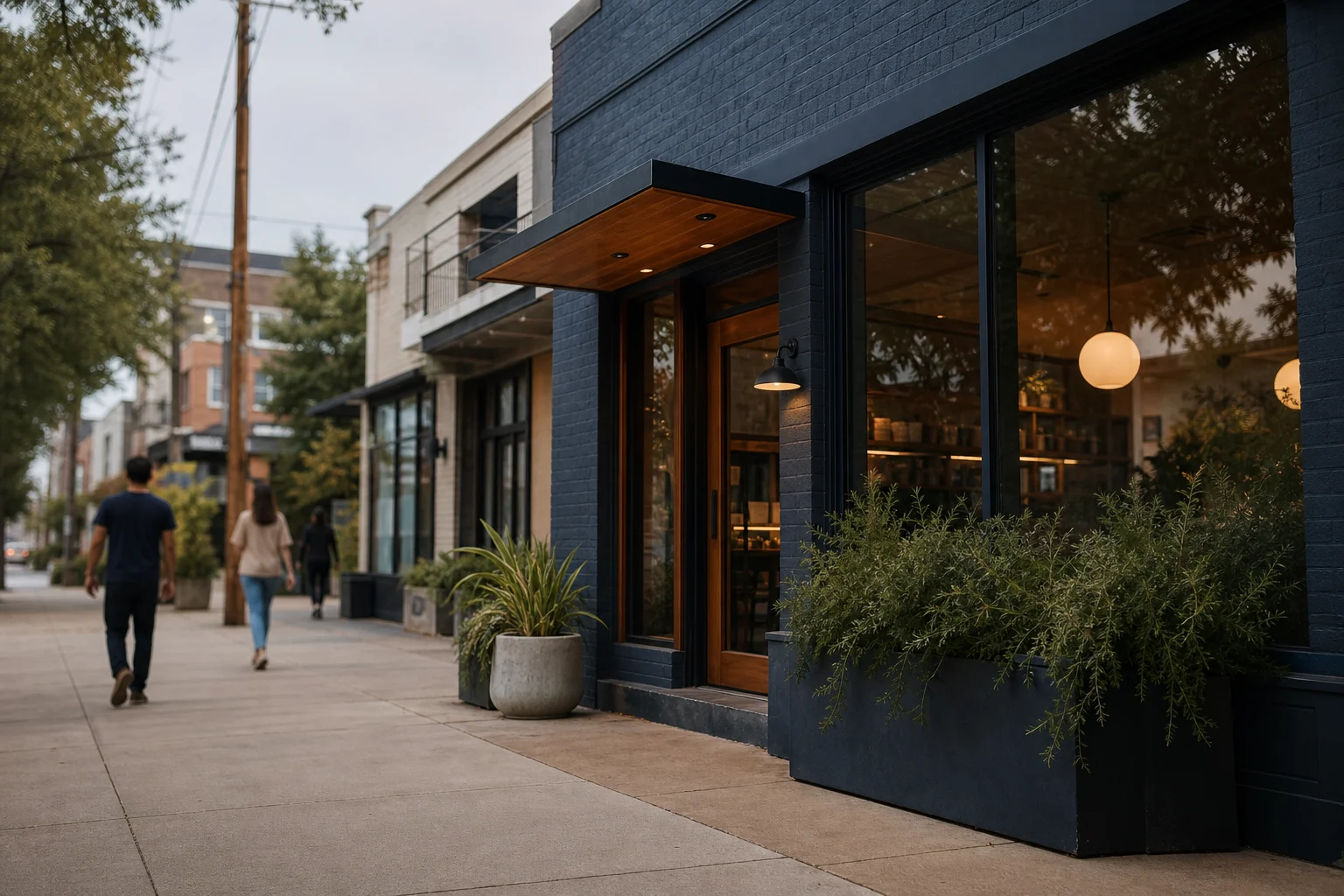
The permit stack to verify
Every ramen and pho shop in San Jose must obtain a specific set of permits and licenses to operate legally. These requirements fall into several categories: city, state, landlord, health, fire, signage, and tax registrations. Each category serves a different purpose in ensuring your business operates safely, legally, and contributes appropriately to the local economy. Missing any element of this permit stack can lead to delays, fines, or even the inability to open your doors.
City, state, landlord, health, fire, signage, and tax registrations
City requirements typically include basic business registration and zoning compliance verification. San Jose's municipal code regulates where food establishments can operate and what types of modifications you can make to your space. State requirements often involve sales tax registration and employer identification if you plan to hire staff.
Landlord requirements may include additional permissions beyond your lease agreement, particularly if your planned renovations affect structural elements. Health regulations cover food preparation, storage, and service standards. Fire safety requirements address everything from extinguisher placement to emergency exit configurations. Signage regulations control the size, placement, and illumination of your business signage. Tax registrations include federal and state requirements for collecting and remitting sales tax.
Documents to collect before lease signing
Before signing a lease for your ramen and pho shop, gather several key documents to ensure compliance. Verify the property's zoning classification to confirm food service is permitted. Obtain copies of previous inspection reports if the space previously housed a food establishment. Review the building's certificate of occupancy to confirm it matches your intended use.
Check for any existing health or fire department violations that might affect your opening timeline. Document the current utility connections and capacity to ensure they can support your kitchen operations. Obtain written confirmation from your landlord regarding any planned renovations and necessary approvals. Collect information about neighborhood-specific regulations that might impact your business hours or operations.
What varies by ramen and pho shop format
The specific requirements for your ramen and pho shop may vary depending on your chosen format and location. San Jose offers several neighborhoods with different characteristics that could influence your compliance needs:
Downtown San Jose (6.6/10) — Downtown San Jose is your strongest bet for a ramen/pho concept at medium budget. SJSU, Adobe HQ, and Diridon Station anchor a dense daytime workforce (~10,500 weekday lunch workers within 800m) plus strong evening and late-night energy from San Pedro Square and SAP Center events.
Naglee Park / SJSU area (6.5/10) — Naglee Park / SJSU area is a student-anchored corridor with strong residential density (~8,000 potential repeat households within 800m) and a single existing noodle shop — TK Noodle #1 at 3.5★ over 284 reviews. The student index is near ceiling, driving solid evening and late-night potential. Rent is slightly gentler than Downtown at roughly $45-70/sqft NNN.
Rose Garden (6.0/10) — Rose Garden is an upscale historic residential corridor along The Alameda with good walkability and moderate retail density. No direct ramen/pho competitors exist in the immediate area — a blank slate. But the late-night score is low, tourist index is zero, and the customer base skews affluent (affluence index above-average) and family-oriented.
Different formats may have different requirements. A quick-service model with limited seating might have different health and fire safety requirements than a full-service restaurant with seating for 50+. Similarly, a location in a shopping center might have additional landlord-specific regulations beyond municipal requirements. Market temperature, competition density, and rent levels in your chosen area may influence the timeline and complexity of obtaining certain permits.
FAQ
What permits do I need for A Ramen and Pho Shop in San Jose?
Your ramen and pho shop will need permits and licenses from several categories: city business registration, state tax registration, landlord approvals, health department clearance, fire safety compliance, signage permits, and appropriate insurance coverage. The specific requirements depend on your location, business model, and planned operations.
How long does it take to obtain all necessary permits?
The timeline varies based on your specific situation and the completeness of your application materials. Some permits can be obtained quickly, while others may require inspections and additional documentation. Starting the process early is recommended to avoid delays in your opening timeline.
Do I need different permits if I plan to serve alcohol?
Serving alcohol would require additional permits beyond the basic requirements for a food establishment. This would involve separate applications and potentially different compliance requirements.
Can I apply for permits before I've finalized my location?
Some permits, like state tax registration, can be obtained before securing a location. However, location-specific permits like health and fire department approvals typically require a finalized address and detailed plans of your proposed space.
What happens if I open without all the required permits?
Operating without proper permits can result in fines, forced closure, and difficulty obtaining permits in the future. It's essential to complete all requirements before opening your doors to ensure a smooth start to your business.
Do I need to renew my permits regularly?
Most permits require periodic renewal, typically annually. The renewal process may involve additional inspections or documentation to ensure continued compliance with regulations.
Are there any special considerations for ramen and pho shops specifically?
While the basic permit requirements apply to all food establishments, the specific preparation methods used in ramen and pho shops might require additional health and safety considerations related to broths, specialized equipment, or ingredient sourcing.
Last reviewed: 2026-05-08
Sources: U.S. Census Bureau ACS, LEHD LODES, Google Places, OpenStreetMap, Locavisor neighborhood scoring.
Methodology: Locavisor scores neighborhoods across demand, competition fit, rent fit, accessibility, and customer match. Scores reflect a snapshot of recent data and should be combined with on-the-ground research before lease decisions.
Disclaimer: This article provides informational content only and does not constitute legal, financial, accounting, or real-estate advice. Verify lease terms, licensing, local regulations, costs, and professional requirements with qualified local professionals before making business decisions.
Free preview shows top 3 neighborhoods. Full $9.99 report covers all 10 areas with personalized scoring + 90-day check-ins.
Informational only. Verify lease, licensing, local regulations, costs, and professional requirements with qualified local professionals.