Seattle, WA · ramen and pho shop
Ramen and pho shop permits Seattle
Opening a ramen and pho shop in Seattle requires navigating a complex web of permits and licenses. This guide provides a founder-focused checklist to help you verify compliance requirements before launching your business in the city's competitive food scene.
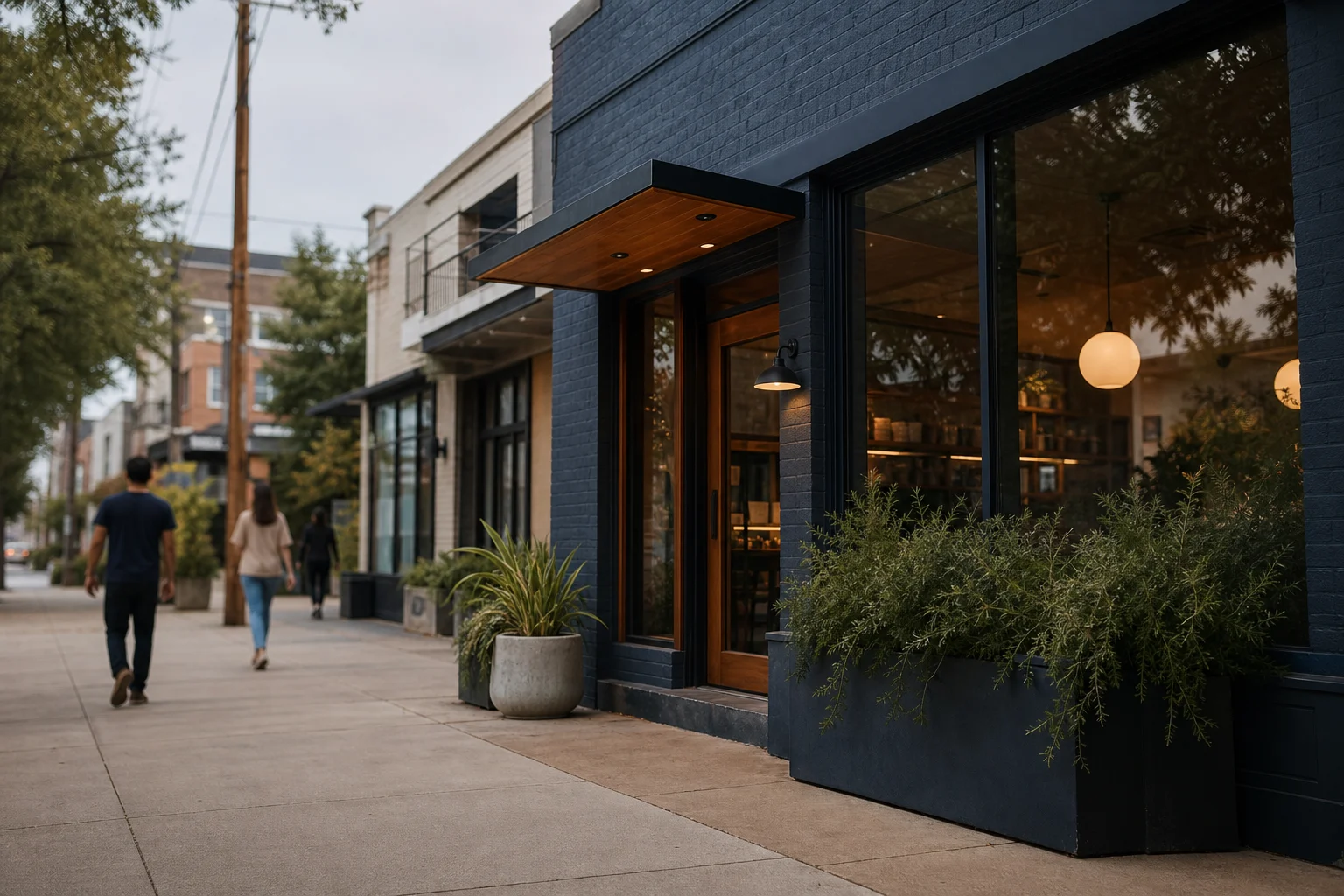
The permit stack to verify
Every ramen and pho shop in Seattle must obtain multiple permits across different categories. The verification process involves checking requirements at city, state, and local levels. Your landlord may have additional requirements beyond government regulations. Health, fire, and building departments each have specific standards for food service operations. Signage regulations vary by location and neighborhood character. Tax registrations are mandatory for all businesses operating in Seattle.
City, state, landlord, health, fire, signage, and tax registrations
Seattle's business licensing requirements apply to all ramen and pho shops regardless of location. State-level regulations govern food preparation, storage, and service standards. Your landlord will likely require proof of proper insurance and compliance with building codes. Health department inspections verify food safety protocols and kitchen equipment standards. Fire department approvals ensure your space meets safety requirements for cooking equipment and emergency exits. Signage regulations control the size, placement, and illumination of your business signage. Tax registrations include business and occupation taxes, sales tax permits, and employee withholding requirements.
Documents to collect before lease signing
Before signing a lease for your ramen and pho shop, collect all necessary documentation. Verify that the property is zoned for food service operations. Confirm that the space has adequate utilities for commercial kitchen operations. Check that existing ventilation systems meet health department standards. Obtain proof of previous health inspection reports if the space previously housed a food establishment. Review your lease for clauses related to business permits and compliance requirements. Ensure the building has proper fire suppression systems and emergency exits. Collect information about neighborhood-specific signage restrictions that may apply to your location.
What varies by ramen and pho shop format
The permit requirements for your ramen and pho shop will vary based on your specific business format. Full-service restaurants with dining areas face different requirements than take-only operations. Food trucks and carts have separate licensing processes from brick-and-mortar establishments. Ramen shops with extensive broth preparation may have additional health considerations compared to pho shops with simpler cooking processes. Shops offering alcohol service require additional permits beyond standard food service licenses. Delivery-only operations may have different requirements than those with customer seating. The scale of your operation affects the complexity of your permit stack, with larger establishments requiring more comprehensive documentation.
Top Seattle neighborhoods for ramen and pho shops
When selecting a location for your ramen and pho shop, consider these top Seattle neighborhoods based on Locavisor neighborhood scoring:
U-District (University District) (7.1/10) — The U-District is your strongest play — student density near ceiling, strong evening and late-night dayparts, and a light-rail station at your doorstep. Six existing ramen/pho competitors within walking distance, but most are $-priced and mid-rated; a quality-differentiated concept with faster bowl turnaround can carve out share. Expect roughly $30-50/sqft NNN.
Wallingford (6.8/10) — Wallingford's N 45th St corridor offers strong residential density, good walkability, and only one direct competitor (Pho Than Brothers at 4.5★/234 reviews). The evening daypart is well-supported, and the affluence level supports a $13-15 bowl price point. Expect roughly $30-50/sqft NNN.
Fremont (6.4/10) — Fremont's 'Center of the Universe' pulls strong office-worker lunch traffic (office index well above average) plus tourist draw from the Troll and Sunday market. Three direct competitors exist (Lucky's Pho 4.7★/944 reviews, Nuna Ramen 4.3★/814 reviews, Pho Than Brothers 4.1★) — but the lunch density is real. Expect roughly $30-50/sqft NNN.
FAQ
What permits do I need for A Ramen and Pho Shop in Seattle?
You'll need to verify requirements across multiple categories: city business licenses, state food service registrations, landlord approvals, health department compliance, fire safety standards, signage regulations, and tax registrations. The specific requirements depend on your shop's format, size, and services offered.
How do neighborhood regulations affect my permit requirements?
Different neighborhoods in Seattle may have additional requirements beyond city-wide regulations. Some areas have specific signage restrictions, operating hour limitations, or design guidelines that affect your ramen and pho shop. Research neighborhood-specific regulations before finalizing your location.
What documentation should I prepare for the health inspection?
Prepare documentation showing your food safety procedures, employee training records, equipment maintenance schedules, and supplier information. Your kitchen layout should demonstrate proper separation of food preparation areas, handwashing stations, and storage facilities.
How do I verify that my space meets fire safety requirements?
Your space must have proper fire suppression systems, emergency exits, and clear evacuation routes. Cooking equipment should be installed according to manufacturer specifications and local fire codes. Regular maintenance records for fire safety equipment should be available for inspection.
What insurance requirements should I consider for my ramen and pho shop?
Your landlord will likely require general liability insurance. You may need additional coverage for property damage, business interruption, and employee injuries. Consult with an insurance professional to determine appropriate coverage levels for your specific operation.
How do I ensure my signage complies with local regulations?
Signage regulations control size, placement, illumination, and content. Some neighborhoods have additional restrictions based on character preservation. Check with the city's planning department and any neighborhood-specific design guidelines before installing signage.
What tax registrations are required for my ramen and pho shop?
You'll need to register for business and occupation taxes, obtain a sales tax permit, and set up employee withholding if you have staff. Consult with a tax professional to ensure compliance with all applicable tax regulations for your specific business structure and revenue streams.
Last reviewed: 2026-05-08
Sources: U.S. Census Bureau ACS, LEHD LODES, Google Places, OpenStreetMap, Locavisor neighborhood scoring.
Methodology: Locavisor scores neighborhoods across demand, competition fit, rent fit, accessibility, and customer match. Scores reflect a snapshot of recent data and should be combined with on-the-ground research before lease decisions.
Disclaimer: This article provides informational content only and does not constitute legal, financial, accounting, or real-estate advice. Verify lease terms, licensing, local regulations, costs, and professional requirements with qualified local professionals before making business decisions.
Free preview shows top 3 neighborhoods. Full $9.99 report covers all 10 areas with personalized scoring + 90-day check-ins.
Informational only. Verify lease, licensing, local regulations, costs, and professional requirements with qualified local professionals.