Austin, TX · hair salon
Hair salon permits Austin
Opening a hair salon in Austin requires navigating a complex web of permits and licenses. Understanding the hair salon permits Austin requires is essential for any founder looking to establish a compliant business in this competitive market. The city's regulations ensure safety standards are met while protecting both business owners and clients.
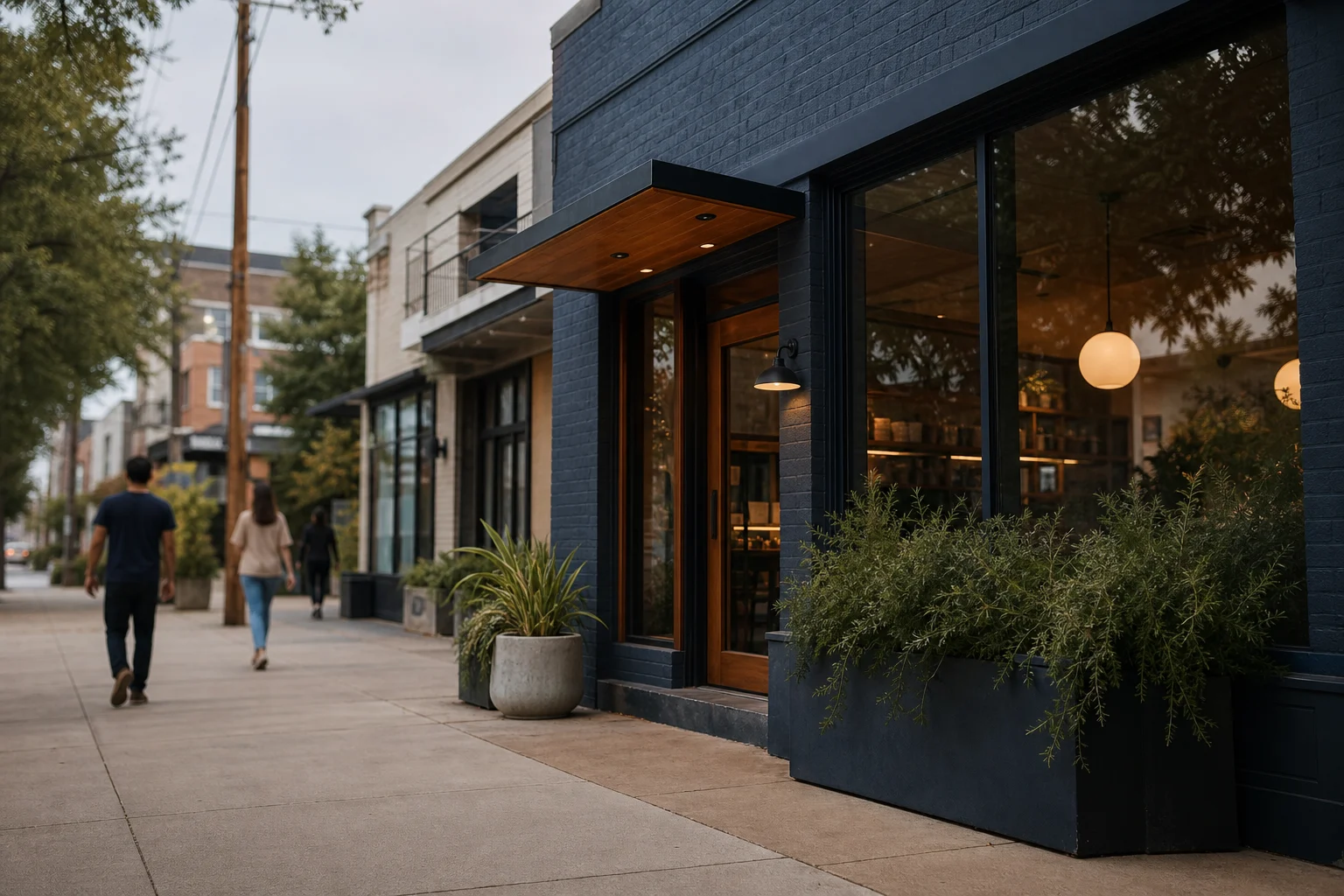
The permit stack to verify
Before signing a lease or investing in equipment, founders must verify the complete permit stack required for a hair salon in Austin. This process involves multiple categories of approvals from different authorities. Each category serves a specific purpose in ensuring your business operates legally and safely. Missing even one required permit can lead to costly delays, fines, or forced closure.
City, state, landlord, health, fire, signage, and tax registrations
The Austin permit landscape for hair salons includes several distinct categories that require verification. City permits typically cover business registration and zoning compliance. State requirements often include professional licensing for stylists and specialized equipment certifications. Landlord approvals may be necessary for modifications to the space. Health department permits address sanitation and safety standards. Fire department approvals ensure proper egress and fire prevention measures. Signage permits regulate visual impact and visibility. Tax registrations include state sales tax and local business taxes.
Each category has its own documentation process and timeline. Some permits can be obtained quickly online, while others may require inspections and multiple approvals. The complexity varies based on salon size, services offered, and location specifics. Founders should allocate sufficient time for this process, as delays are common when documentation is incomplete or inspections require modifications.
Documents to collect before lease signing
Before committing to a commercial space, founders should verify all necessary permits and registrations. This due diligence prevents costly surprises after lease signing. Austin offers several promising neighborhoods for hair salons, each with its own characteristics and requirements.
Domain / North Austin (6.4/10) stands out as Austin's premier mixed-use hub with Apple, Google, and Indeed offices anchoring a dense daytime workforce. The area offers strong walkability, high-end retail anchors, and excellent parking access—ideal for an appointment-based salon. Rent levels are relatively low at roughly $30-50/sqft NNN, making it an attractive option for new businesses.
Crestview / Brentwood (5.6/10) presents a solid in-city neighborhood corridor along North Lamar and Burnet Rd with strong residential density and a growing young-family base. Crestview Station provides transit access, which can be beneficial for clients without personal transportation. Rent levels are higher at roughly $45-70/sqft NNN, representing the upper end of neighborhood corridor pricing.
North Loop (5.6/10) offers Austin's indie-alt corridor with vintage shops, Epoch Coffee, and a walkable, locally-driven retail scene. The area features strong residential density and good transit access via Highland Station nearby. Notably, there are only 2 salon competitors within 800m (Plume Salon at 4.9★, Salon Sary at 5★), indicating low direct competition. However, the customer base skews student/creative rather than high-income, which may affect pricing strategies.
When evaluating potential locations, founders should verify that the space meets all zoning requirements for a hair salon. Some areas may have restrictions on water usage, ventilation requirements, or specific building modifications. Landlord approvals for plumbing and electrical work are particularly important for salon operations. These considerations should be part of the due diligence process before committing to a lease.
What varies by hair salon format
Hair salon formats in Austin can range from full-service establishments with multiple stylists to specialized boutiques focusing on specific services. Each format may have slightly different permit requirements. Full-service salons typically need more extensive health department approvals due to multiple service stations and chemical storage. Specialized salons, such as those focusing on natural hair or barber services, may have additional licensing requirements.
Mobile salons and home-based businesses face different regulatory considerations. These operations often require additional permits for transportation of equipment and chemicals. Home-based businesses must verify local zoning laws, as many residential areas restrict commercial operations. The Austin market temperature is mixed, with medium competition density across different salon formats.
Regardless of format, all hair salons must maintain proper sanitation protocols and staff certifications. The specific requirements vary based on services offered, but the underlying principles of safety and compliance remain consistent. Founders should research the specific needs of their chosen format during the planning phase to avoid compliance issues later.
FAQ
What permits do I need for A Hair Salon in Austin?
Hair salons in Austin require multiple categories of permits and registrations. These typically include city business registration, state professional licensing for stylists, health department approvals for sanitation, fire department permits for safety, and signage permits. Additional requirements may apply based on your specific services and location. The exact requirements can vary, so consulting with local authorities is recommended.
How long does the permit process take in Austin?
The timeline for obtaining all necessary permits varies depending on the specific requirements and completeness of your application. Some permits can be obtained within days, while others may require inspections and modifications that could take weeks or months. Planning ahead and allowing sufficient time for this process is crucial to avoid delays in your opening timeline.
Are there specific zoning requirements for hair salons in Austin?
Yes, Austin has specific zoning requirements for hair salons. These requirements may vary by neighborhood and address considerations such as parking, signage, and proximity to residential areas. Before committing to a location, verify that the space is properly zoned for your intended use to avoid compliance issues.
What should I look for in a potential salon location?
When evaluating potential locations, consider factors such as zoning compliance, parking availability, visibility, and proximity to your target customer base. The top areas for hair salons in Austin include Domain / North Austin (6.4/10), Crestview / Brentwood (5.6/10), and North Loop (5.6/10), each offering different advantages in terms of customer demographics, competition, and rent levels.
Do I need special permits for salon equipment?
Certain salon equipment may require specific permits or certifications, particularly those involving water, gas, or electrical connections. Ventilation systems for chemical treatments often require special approvals. Before purchasing equipment, verify that it meets all local requirements and can be properly installed in your chosen location.
Last reviewed: 2026-05-07
Sources: U.S. Census Bureau ACS, LEHD LODES, Google Places, OpenStreetMap, Locavisor neighborhood scoring.
Methodology: Locavisor scores neighborhoods across demand, competition fit, rent fit, accessibility, and customer match. Scores reflect a snapshot of recent data and should be combined with on-the-ground research before lease decisions.
Disclaimer: This article provides informational content only and does not constitute legal, financial, accounting, or real-estate advice. Verify lease terms, licensing, local regulations, costs, and professional requirements with qualified local professionals before making business decisions.
Free preview shows top 3 neighborhoods. Full $9.99 report covers all 10 areas with personalized scoring + 90-day check-ins.
Informational only. Verify lease, licensing, local regulations, costs, and professional requirements with qualified local professionals.