Boston, MA · hair salon
Hair salon permits Boston
Opening a hair salon in Boston requires navigating a complex web of permits and licenses. Understanding hair salon permits Boston is crucial for any founder looking to establish a successful business in the city. The permit landscape can be overwhelming, but breaking it down into manageable categories helps ensure you don't miss any critical steps.
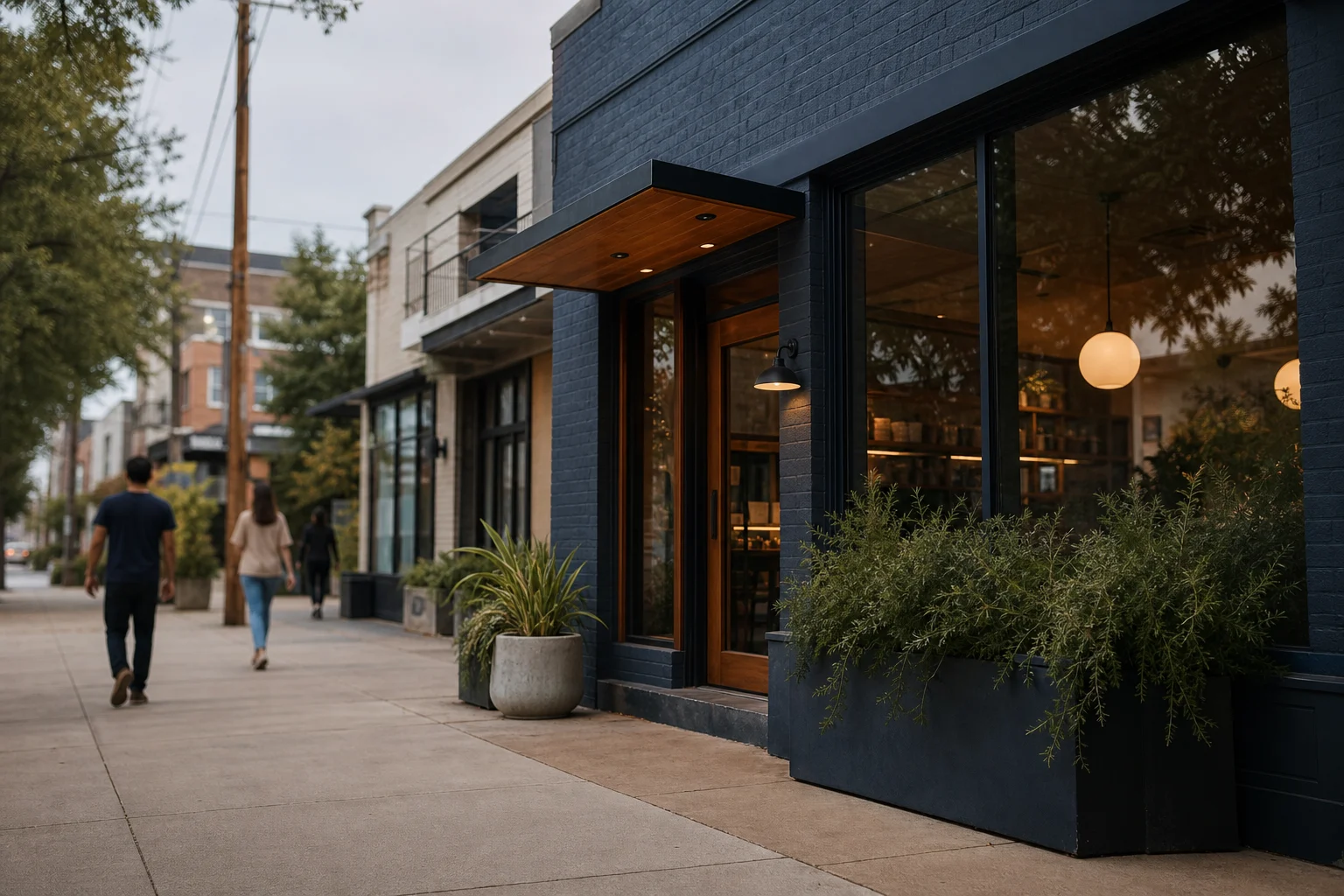
The permit stack to verify
Before signing any lease or committing to a location, founders must verify a comprehensive stack of permits and licenses. This checklist serves as a qualitative guide to the requirements for opening a hair salon in Boston. Remember that this is informational research only, not legal advice. The categories covered include city, state, landlord, health, fire, signage, and tax registrations. Each category has specific requirements that must be addressed before opening your doors to customers.
City, state, landlord, health, fire, signage, and tax registrations
City requirements
Boston has specific city-level requirements for hair salons. These typically include a general business license and potentially additional permits based on your salon's location and services. The city may also have zoning regulations that dictate where a hair salon can operate and what types of services can be offered. Before finalizing a location, verify that the address is zoned for commercial hair salon operations.
State requirements
Massachusetts requires hair salon professionals to hold state-issued licenses. This includes cosmetologists, estheticians, nail technicians, and barbers. Each license has specific education and examination requirements. The state may also require salon businesses to register with the Board of Registration of Cosmetology. Ensure all stylists working at your salon have the appropriate state licenses before opening.
Landlord requirements
Your landlord may have specific requirements for tenants operating hair salons. These could include additional security deposits, proof of insurance, or restrictions on operating hours. Some landlords may require approval of your business plan or salon layout before signing a lease. Review your lease agreement carefully to understand all landlord-related requirements.
Health requirements
Hair salons must comply with health regulations to ensure customer safety. These requirements typically cover sanitation practices, equipment sterilization, and proper storage of chemicals. Health inspections may be conducted periodically to verify compliance. Establish proper sanitation protocols and maintain detailed records of cleaning schedules and equipment maintenance.
Fire requirements
Fire safety is critical for any commercial establishment, especially one that may use electrical equipment and chemicals. Fire regulations may include requirements for fire extinguishers, emergency exits, and electrical safety inspections. Ensure your salon meets all fire safety standards before opening to avoid potential shutdowns or fines.
Signage requirements
Boston has specific regulations regarding business signage. These rules may dictate the size, location, and illumination of signs. Some areas may require historical preservation signage standards. Check local regulations before installing any exterior signage for your salon.
Tax registrations
Your hair salon will need to register for various tax obligations. This typically includes sales tax collection, employer identification numbers if hiring staff, and potentially local business taxes. Consult with a tax professional to ensure you understand all tax requirements specific to your business structure and location.
Documents to collect before lease signing
Before committing to a commercial space, gather important documents to verify compliance with all requirements:
- Zoning verification confirming the location allows hair salon operations
- Building inspection reports to identify any potential compliance issues
- Health department records for the space, if previously used for similar purposes
- Fire safety inspection reports
- Information about any existing permits at the location
- Utility capacity information to ensure your salon's needs can be met
- Parking availability and restrictions
- Neighborhood association requirements, if applicable
When evaluating potential locations, consider the market conditions and competition. Quincy Center / North Quincy tops the list for a medium-budget salon with strong residential density (~8,000 households within 800m), Red Line transit access, and a walkable Hancock St corridor with North Quincy Plaza anchoring foot traffic. Rent is manageable at roughly $30-50/sqft NNN. Only 4 nearby salons — none dominant — so room to establish an appointment-based concept.
Wellesley ranks #2 with strong customer match (6.8) and competition fit (10) — the affluence is maxed out, and existing salons are few. But rent is punishing at roughly $90-140/sqft NNN, which for a 1,000 sqft space means significant monthly base costs before buildout.
East Boston ranks #3 with strong daytime population density and walkability near Maverick station. Rent at roughly $65-95/sqft NNN is premium but reflects the waterfront gentrification corridor. Only 1 salon competitor (Marys Beauty Salon, 4.5★, 8 reviews) within the immediate area — very thin competition.
What varies by hair salon format
The specific permits and requirements for your hair salon may vary based on several factors:
- Salon size and layout: Larger salons may have additional requirements for occupancy limits and emergency egress.
- Services offered: Salons offering specialized services like chemical treatments or nail services may have additional regulatory requirements.
- Location: Different neighborhoods in Boston may have specific local regulations or additional requirements.
- Business structure: LLCs, corporations, and sole proprietorships have different registration requirements.
- Employee count: Hiring staff introduces additional requirements like workers' compensation and unemployment insurance.
When planning your salon, consider how these factors might impact your permit requirements. A full-service salon with multiple stylists will have different needs than a small, single-operator studio.
FAQ
What permits do I need for A Hair Salon in Boston?
Hair salons in Boston typically require permits from multiple levels of government and private entities. These include city business licenses, state professional licenses for all stylists, landlord approvals, health department compliance, fire safety certifications, signage permits, and tax registrations. The specific requirements may vary based on your salon's size, location, and services offered.
How do I verify zoning compliance for my hair salon?
Before signing a lease, verify that your chosen location is zoned for commercial hair salon operations. Contact Boston's zoning department or check online resources to confirm the zoning classification of your potential location. Some areas may have additional restrictions or requirements for beauty businesses.
Are there specific health requirements for hair salons?
Hair salons must comply with health regulations regarding sanitation, sterilization, and chemical storage. These requirements typically include proper ventilation, handwashing facilities, and equipment sterilization procedures. Regular health inspections may be conducted to verify compliance.
What fire safety requirements apply to hair salons?
Fire safety regulations for hair salons may include requirements for fire extinguishers, emergency exits, electrical safety, and proper storage of flammable products. Your salon will likely need to pass a fire safety inspection before receiving a certificate of occupancy.
Do I need special permits for salon signage?
Boston has specific regulations regarding business signage, including size, location, and illumination requirements. Some historic districts may have additional preservation signage standards. Check local regulations before installing any exterior signage for your salon.
How do I register my hair salon for tax purposes?
Your hair salon will need to register for various tax obligations, including sales tax collection and employer identification numbers if hiring staff. The specific requirements depend on your business structure and location. Consult with a tax professional to ensure you understand all tax requirements.
What should I look for in a commercial space for my hair salon?
When evaluating potential spaces, consider zoning compliance, building condition, utility capacity, parking availability, and neighborhood characteristics. Also consider proximity to your target clientele and competition in the area. Quincy Center / North Quincy offers a good balance of residential density, transit access, and manageable rent levels for medium-budget salons.
Last reviewed: 2026-05-08
Sources: U.S. Census Bureau ACS, LEHD LODES, Google Places, OpenStreetMap, Locavisor neighborhood scoring.
Methodology: Locavisor scores neighborhoods across demand, competition fit, rent fit, accessibility, and customer match. Scores reflect a snapshot of recent data and should be combined with on-the-ground research before lease decisions.
Disclaimer: This article provides informational content only and does not constitute legal, financial, accounting, or real-estate advice. Verify lease terms, licensing, local regulations, costs, and professional requirements with qualified local professionals before making business decisions.
Free preview shows top 3 neighborhoods. Full $9.99 report covers all 10 areas with personalized scoring + 90-day check-ins.
Informational only. Verify lease, licensing, local regulations, costs, and professional requirements with qualified local professionals.