Houston, TX · hair salon
Hair salon permits Houston
Opening a hair salon in Houston requires navigating a specific set of permits and licenses that vary from other cities. For small business founders, understanding these requirements before signing a lease can save significant time and money. This guide breaks down the essential permits, timelines, and common pitfalls to help you prepare for a successful launch in the Houston market.
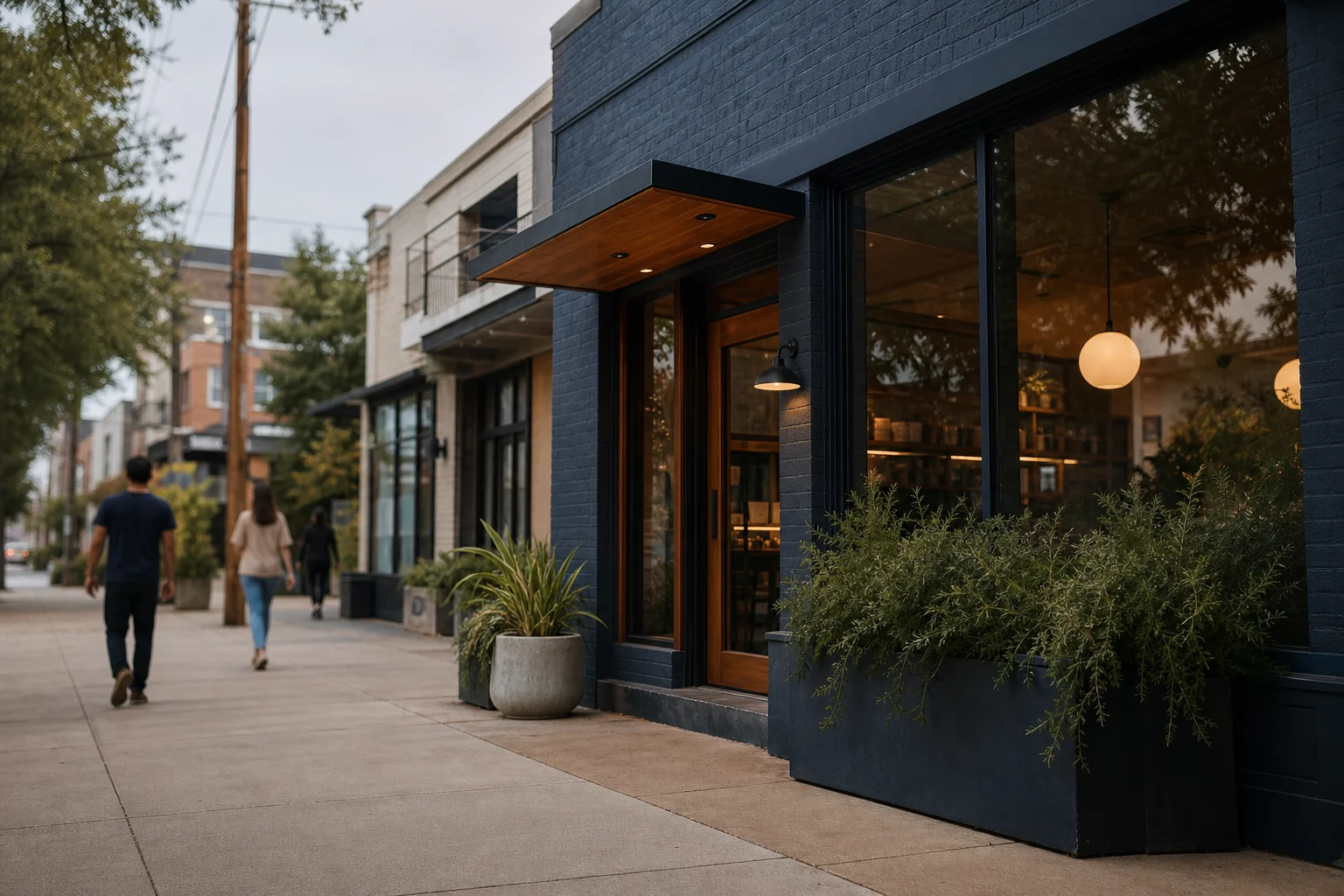
Why permits matter before you sign a lease
Securing the right permits before committing to a location is critical for hair salon founders in Houston. Many entrepreneurs make the mistake of signing a lease first, only to discover that their chosen space doesn't meet health department requirements or zoning regulations. This can lead to costly renovations, delayed openings, or even the need to find a new location entirely.
The Houston health department has specific requirements for salon spaces, including proper ventilation, plumbing for chemical waste, and adequate lighting. These aren't always obvious during a standard walkthrough. Additionally, Houston's zoning ordinances may restrict certain types of beauty businesses in residential areas or require specific parking provisions.
Understanding permit requirements upfront helps you evaluate potential locations more effectively. For example, when considering neighborhoods like Spring Branch (overall score 6.4/10, rent band $24-$65/sqft/yr NNN) or Greenway Plaza / Upper Kirby (overall score 6.4/10, rent band $24-$65/sqft/yr NNN), you'll want to verify that the building's current configuration meets salon standards before negotiating a lease.
Existing successful salons in these areas, such as Haute Hair Salon by Anaite in Spring Branch or Therapy Hair Studio in Greenway Plaza / Upper Kirby, have already navigated these requirements. Studying their locations can provide valuable insights into what municipal authorities consider acceptable.
Required permits and licenses for a hair salon in Houston
The question "What permits do I need to open a hair salon in Houston?" has a multi-layered answer that involves several city, state, and sometimes federal agencies. Houston's permitting process for beauty businesses typically includes:
City of Houston Permits:
- Business Operating License: Required for all commercial entities operating within city limits
- Health Department Permit: Specific to food and personal care establishments
- Building Permit: If you're making structural changes to the space
- Signage Permit: For any exterior signage
- Fire Department Permit: Particularly important for businesses with chemicals
State of Texas Requirements:
- Texas Department of Licensing and Regulation (TDLR) Cosmetology License: Required for all salon owners and operators
- Sales Tax Permit: For collecting and remitting sales tax
- Employer Identification Number (EIN): From the IRS for tax purposes
Additional Considerations:
- Zoning Verification: Confirm your business type is permitted in the specific zone
- Accessibility Compliance: Meeting ADA requirements
- Waste Disposal Permits: For proper disposal of chemical and biological waste
The TDLR oversees cosmetology licensing in Texas, which includes requirements for sanitation, safety, and professional education. Houston's health department focuses on maintaining proper sanitation standards to protect public health.
When applying for these permits, you'll need to provide detailed plans of your salon layout, including stations, washing areas, storage for chemicals, and customer waiting areas. The city may also require inspections of your plumbing and electrical systems to ensure they can handle salon operations.
Realistic timeline from application to opening
The permitting process in Houston typically takes between a variable local timeline from application to approval, though this can vary based on the complexity of your project and current city workload. For hair salons, the timeline often breaks down as follows:
Weeks 1-2: Pre-application preparation Gather all required documents, including floor plans, TDLR cosmetology license documentation, and proof of insurance. This is also when you should schedule preliminary meetings with the health department to discuss specific requirements for your space.
Weeks 3-5: Application and review Submit your complete application package to the appropriate city departments. During this period, inspectors may conduct preliminary reviews or request additional information.
Weeks 6-8: Inspections and corrections Schedule and pass required inspections. Common areas that require correction include improper ventilation, insufficient handwashing stations, or inadequate storage for flammable materials.
Weeks 9-12: Final approvals and licensing Receive final approvals and pay any associated fees. This is when you'll receive your official permits and can begin operations.
Keep in mind that if you're planning to open in a neighborhood like Memorial (overall score 6.3/10, rent band $24-$65/sqft/yr NNN) or Energy Corridor (overall score 6.3/10, rent band $24-$65/sqft/yr NNN), you may encounter additional neighborhood-specific requirements or review processes.
Successful salons in these areas, such as Vellisimo Hair Studio and Spa or Memorial Hair Salon in Memorial, have all completed this process. Their experience shows that thorough preparation and attention to detail during the application phase significantly reduces delays.
Common reasons applications get rejected in Houston
Houston's permitting process can be stringent, and applications are often rejected for preventable reasons. Understanding these common pitfalls can help you avoid costly mistakes:
Insufficient documentation: Missing floor plans, incomplete TDLR license paperwork, or inadequate insurance certificates are frequent causes of rejection. The city requires detailed documentation to ensure your space meets all safety and sanitation standards.
Non-compliant space: Many existing commercial spaces aren't designed for hair salons and require modifications. Common issues include inadequate ventilation, improper plumbing for chemical waste, or insufficient natural light. These problems are particularly common in older buildings in neighborhoods like Meyerland (overall score 6.2/10, rent band $24-$65/sqft/yr NNN).
Zoning violations: Opening a salon in a residential zone or in an area with restrictive covenants can lead to immediate rejection. Always verify zoning before signing a lease, especially in mixed-use developments.
Health code violations: The health department is particularly strict about sanitation in beauty businesses. Common issues include improper storage of chemicals, inadequate handwashing facilities, or insufficient disinfection procedures for tools.
Fire safety deficiencies: Salons handle flammable products, so fire safety is a major concern. Insufficient fire extinguishers, blocked exits, or improper storage of flammable materials are common rejection reasons.
Salons like Shea Eliz Hair Salon and Tiffany Lash Beauty & Supplies in Memorial have successfully navigated these requirements. Their experiences highlight the importance of working with contractors who understand Houston's specific building codes and health department standards.
How to budget for permits and inspections
Budgeting for permits and inspections requires understanding both fixed and variable costs. While exact fees aren't always predictable, you can plan for several categories of expenses:
Fixed Costs:
- License fees for TDLR cosmetology certification
Variable Costs:
- Architectural or engineering fees for plan reviews (if required)
- Contractor costs for space modifications to meet code
- Equipment purchases to satisfy health department requirements
The rent bands in Houston neighborhoods ($24-$65/sqft/yr NNN) provide context for your overall budget, but permit costs are additional. For example, in Greenway Plaza / Upper Kirby, where rent averages in the middle of this range, you might budget an additional 2-5% of your annual rent for permitting and inspection costs.
Many successful salon owners recommend setting aside 3-5% of your total startup budget specifically for permitting and compliance costs. This buffer can accommodate unexpected requirements or additional inspections.
Remember that some costs, like TDLR licensing, are per-staff member, so factor in costs for all stylists and assistants you plan to hire. The city may also require periodic re-inspections, so budget for annual maintenance of your permits.
Quick reference - which neighborhoods minimize permit friction
Not all Houston neighborhoods present the same permitting challenges for hair salons. Based on Locavisor research and existing salon locations, certain areas tend to have more streamlined processes:
| Neighborhood | Score | Rent Band | Permit Friendliness | Existing Salons |
|---|---|---|---|---|
| Spring Branch | 6.4/10 | $24-$65/sqft/yr NNN | High | Haute Hair Salon by Anaite |
| Greenway Plaza / Upper Kirby | 6.4/10 | $24-$65/sqft/yr NNN | High | Therapy Hair Studio, Sport Clips Haircuts, K. Renee Salon |
| Energy Corridor | 6.3/10 | $24-$65/sqft/yr NNN | Medium | Jacqueline's Day Spa & Salon |
| Memorial | 6.3/10 | $24-$65/sqft/yr NNN | Medium | Vellisimo Hair Studio, Memorial Hair Salon, Elham Hair Salon |
| Meyerland | 6.2/10 | $24-$65/sqft/yr NNN | Low | No salons in verified data |
Neighborhoods with higher scores and established salons tend to have more predictable permitting processes. The presence of multiple salons indicates that the area meets health and zoning requirements, reducing uncertainty for new businesses.
Spring Branch and Greenway Plaza / Upper Kirby, with their higher scores and multiple existing salons, represent the most permit-friendly options. These areas have proven track records for salon businesses and may have established relationships with city inspectors.
Energy Corridor and Memorial, while still viable, may present slightly more complexity due to different zoning requirements or less familiarity with beauty business regulations. Meyerland, with no verified salons in the data, may require additional due diligence.
FAQ
Q: Do I need a separate permit for each stylist in my salon? A: No, the business obtains the permits, but each stylist must have their own TDLR cosmetology license. The salon permit covers the physical space and operations, while individual licenses cover professional qualifications.
Q: How far in advance should I start the permitting process? A: Begin at least a variable local timeline before your planned opening date. This provides buffer time for application reviews, inspections, and any necessary modifications to your space.
Q: Can I operate my salon while waiting for permits? A: No, operating without proper permits can result in fines, closure orders, and damage to your business reputation. Always secure all required permits before opening to customers.
Q: Are there specific requirements for chemical storage in Houston salons? A: Yes, Houston health department requires proper ventilation, secure storage, and clear labeling of all chemicals. Flammable products must be stored in approved cabinets, and waste must be disposed of according to hazardous material regulations.
Q: Do I need a special permit for outdoor seating or services? A: Yes, if you plan to offer services outdoors or have customer seating outside your main space, you'll need additional permits for outdoor operations and possibly sidewalk cafes.
Last reviewed: 2026-05-30
Sources: U.S. Census Bureau ACS, LEHD LODES, Google Places, OpenStreetMap, Locavisor neighborhood scoring.
Methodology: Locavisor scores neighborhoods across demand, competition fit, rent fit, accessibility, and customer match. Scores reflect a snapshot of recent data and should be combined with on-the-ground research before lease decisions.
Disclaimer: This article provides informational content only and does not constitute legal, financial, accounting, or real-estate advice. Verify lease terms, licensing, local regulations, costs, and professional requirements with qualified local professionals before making business decisions.
Free preview shows top 3 neighborhoods. Full $9.99 report covers all 10 areas with personalized scoring + 90-day check-ins.
Informational only. Verify lease, licensing, local regulations, costs, and professional requirements with qualified local professionals.