San Diego, CA · hair salon
Hair salon permits San Diego
Opening a hair salon in San Diego requires navigating a complex web of permits and licenses. This checklist breaks down the essential compliance requirements for small business founders looking to establish their salon in America's Finest City. With market temperature showing promise and competition density ranging from medium to high across top locations, understanding your permit obligations is crucial for a smooth launch.
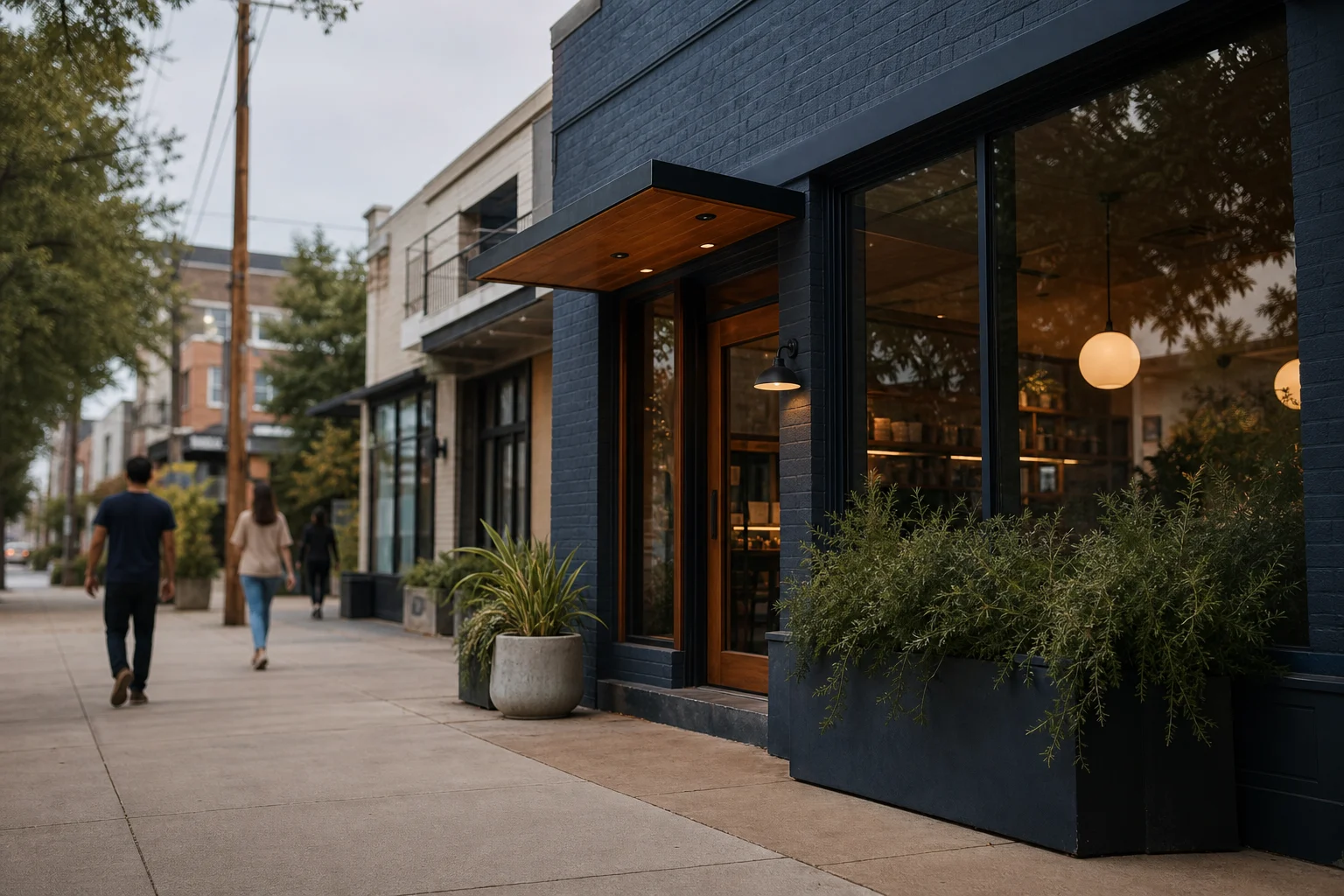
The permit stack to verify
Before signing any lease or investing in build-out, founders must verify their complete permit stack. This process involves multiple categories of requirements that vary by location and business model. The Locavisor neighborhood scoring system identifies Liberty Station (6.8/10) as the best area for a specialist salon in a fragmented market, with its daytime traffic and low competitor density. Mission Hills (6.5/10) offers an upscale historic residential corridor along Washington St and Goldfinch with indie boutique character, while Old Town (6.4/10) provides San Diego's top tourist district anchored by the State Historic Park with excellent transit access.
Your verification process should include city, state, landlord, health, fire, signage, and tax registrations. Each category requires specific documentation and approvals before you can legally operate. The rent level in these areas varies, with Liberty Station showing particularly low rent levels according to the 2026-05 snapshot data. The score confidence across these locations stands at 78%, providing reliable guidance for your planning process.
City, state, landlord, health, fire, signage, and tax registrations
City-level requirements typically include business operating permits and zoning compliance checks. San Diego's municipal regulations govern where salons can operate and what services they can provide. State requirements often involve cosmetology board registrations and professional licensing for stylists and technicians. These state-level credentials verify that your staff meets minimum competency standards.
Landlord requirements may include additional permits beyond city and state mandates, particularly for commercial properties with specific covenants. Health department regulations address sanitation, sterilization procedures, and client safety protocols. Fire department requirements focus on emergency exits, extinguisher placement, and electrical safety. Signage permits regulate the size, placement, and illumination of your business signage.
Tax registrations include business tax IDs, sales tax permits, and employee withholding accounts. These registrations ensure your business can legally collect and remit taxes to appropriate authorities. Each category requires separate applications and inspections, creating a comprehensive compliance framework that protects both your business and your clients.
Documents to collect before lease signing
Before committing to a commercial space, collect all relevant documentation that impacts your permit requirements. Verify the property's zoning classification to confirm it allows hair salon operations. Review the building's certificate of occupancy to ensure it matches your intended use. Obtain copies of previous health and fire inspection reports to identify potential compliance issues.
Check with the property owner about any existing permits that might transfer to your business. Inquire about planned renovations or maintenance that might affect your build-out timeline. Review the lease for clauses related to compliance responsibilities and potential penalties for violations. Collect information about neighborhood associations or business improvement districts that might have additional requirements.
Documentation from the city planning department can reveal upcoming changes that might affect your business. Historical inspection reports may reveal recurring issues that could complicate your operations. Thorough documentation collection before lease signing prevents surprises during the permitting process and helps avoid costly delays.
What varies by hair salon format
Different salon formats have varying permit requirements based on their business model. Full-service salons with multiple stylists require more comprehensive licensing than single-operator studios. Specialty salons focusing on specific services like coloring or extensions may have additional product safety regulations. Mobile salons operating from vehicles need different permits than brick-and-mortar establishments.
Franchise salons often come with their own compliance frameworks that must align with local regulations. Salon suites or co-working spaces may have master permits that cover individual tenant operations. High-end salons with extensive electrical equipment for specialized services may face more stringent fire safety requirements. Barbershops serving male clients often have separate licensing requirements from traditional hair salons.
Your salon's square footage and client capacity impact occupancy permits and emergency planning requirements. Salons offering retail products need additional permits for merchandise display and sales. Understanding how your specific format affects your permit stack helps streamline the compliance process and ensures you meet all relevant regulations.
FAQ
What permits do I need for A Hair Salon in San Diego?
Hair salons in San Diego typically require city business operating permits, state cosmetology licenses, health department approvals, fire safety certifications, and tax registrations. The specific requirements vary based on your salon's size, services offered, and location within the city.
How long does the permit process take in San Diego?
The permit timeline varies depending on the completeness of your application and the specific requirements of your location. Some permits may be approved within weeks, while others might take several months, especially if inspections reveal compliance issues.
Can I operate my salon while waiting for permits?
No, operating without proper permits can result in fines, closure orders, and legal consequences. All required permits must be obtained before opening your doors to clients.
Do I need separate permits for each stylist?
Most jurisdictions require individual cosmetology or barber licenses for each practitioner, but these are typically state professional licenses rather than local permits. Check with the California State Board of Barbering and Cosmetology for specific requirements.
How do zoning regulations affect my salon permit?
Zoning regulations determine where you can operate a hair salon. Some areas may have restrictions on salon types, operating hours, or signage. Always verify that your intended location is properly zoned for your business type before signing a lease.
What inspections are required for hair salons?
Health inspections typically focus on sanitation, sterilization procedures, and facility cleanliness. Fire inspections verify emergency exits, extinguisher placement, and electrical safety. The frequency varies by jurisdiction and compliance history.
Are there special requirements for salon equipment?
Certain equipment like ventilation systems, chemical storage units, and electrical styling stations may require additional permits or inspections. Consult with your city's building department for equipment-specific requirements.
Do I need insurance beyond what's required for permits?
While permits may mandate specific liability coverage, additional insurance types like property, business interruption, and workers' compensation provide broader protection. Consult with an insurance professional to determine appropriate coverage for your specific operations.
Last reviewed: 2026-05-07
Sources: U.S. Census Bureau ACS, LEHD LODES, Google Places, OpenStreetMap, Locavisor neighborhood scoring.
Methodology: Locavisor scores neighborhoods across demand, competition fit, rent fit, accessibility, and customer match. Scores reflect a snapshot of recent data and should be combined with on-the-ground research before lease decisions.
Disclaimer: This article provides informational content only and does not constitute legal, financial, accounting, or real-estate advice. Verify lease terms, licensing, local regulations, costs, and professional requirements with qualified local professionals before making business decisions.
Free preview shows top 3 neighborhoods. Full $9.99 report covers all 10 areas with personalized scoring + 90-day check-ins.
Informational only. Verify lease, licensing, local regulations, costs, and professional requirements with qualified local professionals.