Austin, TX · sandwich and deli shop
Sandwich and deli shop permits Austin
Opening a sandwich and deli shop in Austin requires navigating a complex web of permits and licenses. Before you can serve your first signature sandwich or deli platter, you'll need to verify compliance requirements across multiple jurisdictions. This guide breaks down the essential permit stack for your Austin sandwich and deli shop, helping you avoid costly delays and ensure smooth operations.
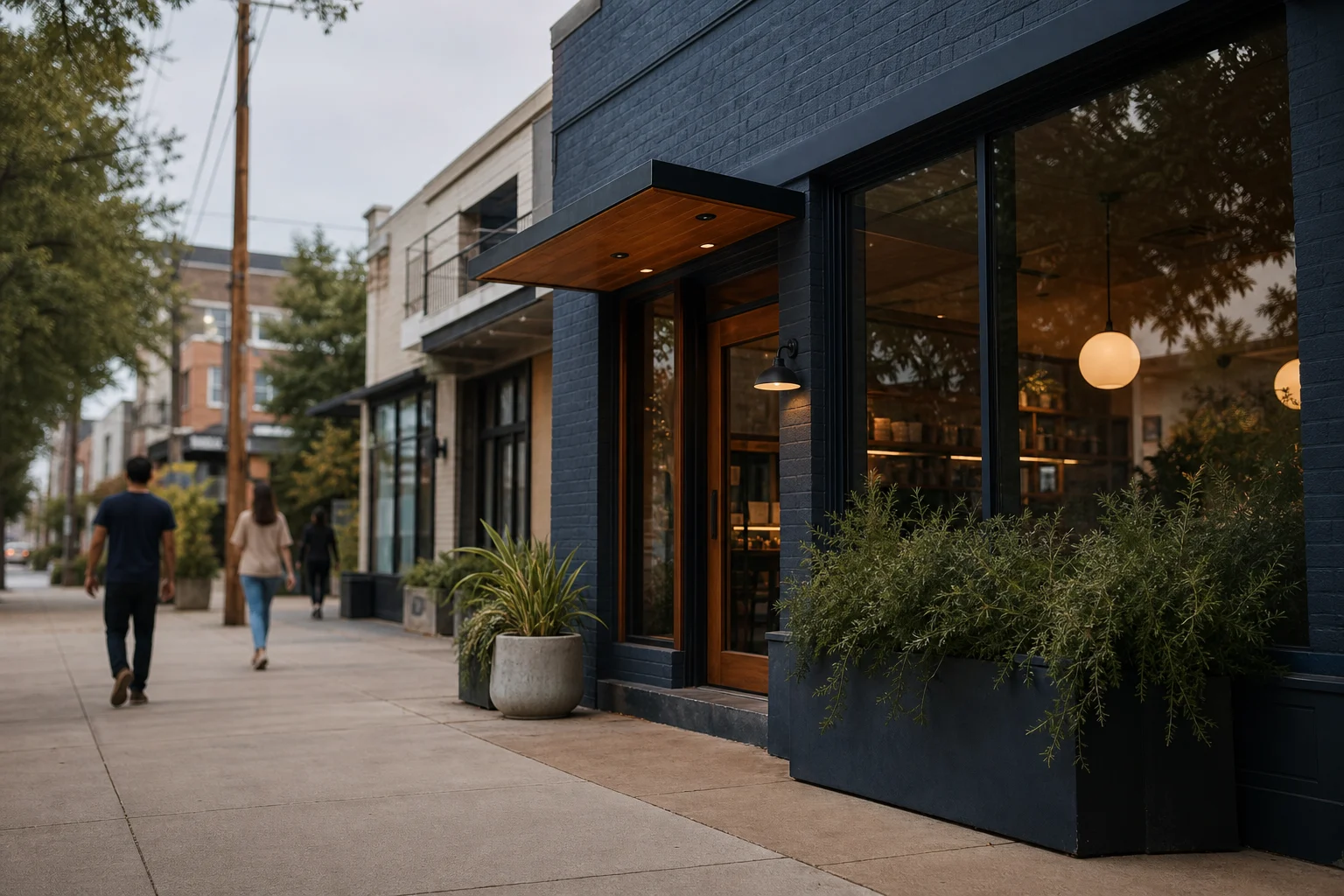
The permit stack to verify
Launching a sandwich and deli shop in Austin means verifying compliance across several categories. Each category has specific requirements that vary based on your business model, location, and scale. The permit stack includes city, state, landlord, health, fire, signage, tax, insurance, and professional review items. Missing even one element can delay your opening or result in penalties.
Austin's market temperature is mixed with medium competition density and medium-high rent levels. According to Locavisor neighborhood scoring with 85% confidence from a 2026-05 snapshot, the best area for a sandwich and deli shop is Domain / North Austin with a score of 6.4/10. This area leads due to its office density with Apple, Google, and Indeed offices within walking distance — roughly 10,500 weekday lunch workers within 800m. Rent runs roughly $30-50/sqft NNN, making it workable for a medium-budget operator. The area has strong walkability and retail vibrancy anchored by The Domain mall and Domain NORTHSIDE.
City, state, landlord, health, fire, signage, and tax registrations
Your sandwich and deli shop will require city registration to operate legally within Austin city limits. This typically involves basic business registration and may include specific food service endorsements. State requirements cover sales tax collection and food handling certifications. Landlord permissions often include modifications to the space and operational hours.
Health permits are non-negotiable for any food service business. Your sandwich and deli shop will need to meet specific sanitation and food safety standards. Fire safety compliance ensures your space meets evacuation and equipment safety requirements. Signage regulations govern what, where, and how you can display your business name and offerings.
Tax registration includes both state sales tax and local business taxes. Insurance requirements typically include general liability and property coverage. Professional review may involve consulting with attorneys or consultants specializing in food service businesses to ensure full compliance.
Documents to collect before lease signing
Before signing a lease for your sandwich and deli shop, collect all necessary documentation to verify compliance requirements. This includes zoning verification to confirm your chosen location allows food service operations. Building permits may be required for any renovations or modifications to the space.
Health department guidelines for food preparation and storage should be reviewed before committing to a location. Fire marshal requirements for equipment placement and emergency exits must be documented. Signage restrictions in your chosen area should be clearly understood.
Tax registration documents and insurance requirements should be gathered before finalizing your lease. Professional review of all compliance documents can prevent costly mistakes later. Having this documentation in hand before signing ensures you won't face unexpected compliance issues after committing to a location.
What varies by sandwich and deli shop format
The specific permits and licenses required for your sandwich and deli shop may vary based on your business format. A quick-service sandwich shop with limited seating will have different requirements than a full-service deli with dine-in options. Mobile sandwich carts or food trucks face additional licensing and health requirements beyond brick-and-mortar locations.
The scale of your operation impacts the complexity of your permit stack. A small sandwich counter with minimal equipment needs fewer verifications than a full deli with extensive preparation areas. Your menu offerings also affect compliance requirements, especially if you plan to serve alcohol or have specialized food preparation methods.
According to Locavisor neighborhood scoring, other areas to consider include Crestview / Brentwood (5.8/10) and South Lamar (5.8/10). Crestview / Brentwood offers zero direct sandwich-deli competitors within the search radius, with strong transit access via Crestview Station (light rail + bus), good parking, and roughly 8,000 potential repeat households within 800m. Rent runs roughly $45-70/sqft NNN. South Lamar has three direct competitors within 660m: Phoenicia Bakery & Deli (4.7★, 605 reviews), ThunderCloud Subs (4.5★, 449 reviews), and Jersey Mike's Subs (4.3★, 68 reviews), with premium rent at roughly $65-95/sqft NNN.
FAQ
What permits do I need for A Sandwich and Deli Shop in Austin?
Your sandwich and deli shop will require city registration, state tax registration, landlord permissions, health compliance, fire safety verification, signage approval, and appropriate insurance coverage. The specific requirements vary based on your business format, location, and scale of operations.
How long does the permit process take?
The timeline for obtaining all necessary permits varies depending on the complexity of your application and the specific requirements of each jurisdiction. Some permits may be issued quickly while others require inspections and additional documentation.
Can I apply for permits before finding a location?
Some permits and registrations can be initiated before securing a physical location, particularly state-level registrations. However, many health, fire, and city-specific permits require a physical address for inspection and approval.
What happens if I operate without proper permits?
Operating without proper permits can result in fines, closure orders, and legal penalties. It may also impact your ability to obtain necessary insurance and could jeopardize your business license in the future.
Do I need different permits if I plan to expand my menu?
Expanding your menu may require additional permits, particularly if you introduce new food preparation methods or ingredients. Significant menu changes should be reviewed with the appropriate health and regulatory authorities.
How often do permits need to be renewed?
Permit renewal requirements vary by jurisdiction and permit type. Some may need annual renewal while others may be valid for multiple years. Check with the issuing authorities for specific renewal timelines.
Last reviewed: 2026-05-08
Sources: U.S. Census Bureau ACS, LEHD LODES, Google Places, OpenStreetMap, Locavisor neighborhood scoring.
Methodology: Locavisor scores neighborhoods across demand, competition fit, rent fit, accessibility, and customer match. Scores reflect a snapshot of recent data and should be combined with on-the-ground research before lease decisions.
Disclaimer: This article provides informational content only and does not constitute legal, financial, accounting, or real-estate advice. Verify lease terms, licensing, local regulations, costs, and professional requirements with qualified local professionals before making business decisions.
Free preview shows top 3 neighborhoods. Full $9.99 report covers all 10 areas with personalized scoring + 90-day check-ins.
Informational only. Verify lease, licensing, local regulations, costs, and professional requirements with qualified local professionals.