Charlotte, NC · sandwich and deli shop
Sandwich and deli shop permits Charlotte
Opening a sandwich and deli shop in Charlotte requires navigating a specific set of permits and licenses. The city's mixed market temperature and medium competition density make it an attractive location for this type of business, but proper compliance is essential for smooth operations. Before investing in your sandwich and deli shop, understanding the permit landscape in Charlotte will save you time and prevent costly delays.
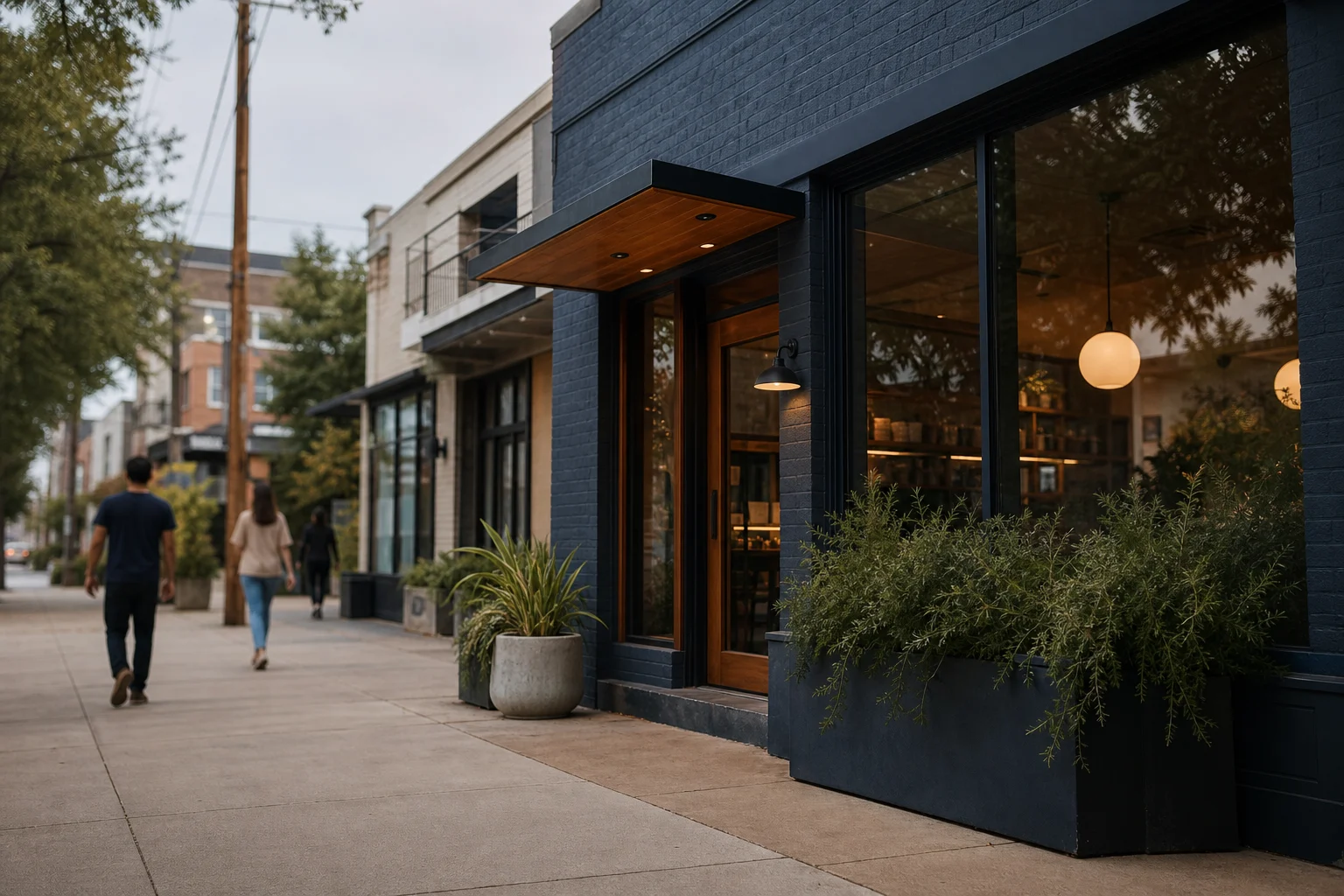
The permit stack to verify
When planning your sandwich and deli shop in Charlotte, you'll need to verify several categories of permits and registrations. These requirements vary based on your specific location within the city, your business model, and the physical characteristics of your space. The permit stack includes city, state, landlord, health, fire, signage, and tax registrations that must all be properly addressed before opening your doors.
Charlotte offers three promising areas for sandwich and deli shops according to Locavisor neighborhood scoring. Park Road / Madison Park (6.7/10) stands out as the strongest sandwich-deli play for medium-budget operators, with an office-index near ceiling and roughly $45-70/sqft NNN rent. The Park Road Shopping Center anchors the corridor with strong daytime worker density—approximately 10,500 weekday lunch workers within 800m.
Camp North End (6.7/10) presents a blue-ocean opportunity as an adaptive-reuse creative district with zero direct sandwich-deli competitors. Rent is more affordable at roughly $30-50/sqft NNN. The trade-off involves a tourist/visitor index near ceiling but weaker office-lunch captive audience compared to Park Road.
Optimist Park / Belmont (6.5/10) combines the highest office index in the dataset with Optimist Hall food hall as a major foot-traffic anchor. Rent is premium at roughly $65-95/sqft NNN—the highest of all three areas. No direct sandwich-deli competitors exist within the immediate area, though Optimist Hall itself is a food hall with diverse vendors including Suárez Bakery which does sandwiches.
City, state, landlord, health, fire, signage, and tax registrations
Your sandwich and deli shop will require city-level business registration to operate legally in Charlotte. This basic registration establishes your business presence within the city limits and is typically your first step in the compliance process. The city may have additional requirements based on your specific location and business activities.
State-level registrations will also be necessary for your sandwich and deli shop. These typically include basic business entity registration and may involve industry-specific licensing depending on your operational scope. The state requirements apply uniformly across all Charlotte locations, regardless of neighborhood.
Your landlord may impose specific requirements beyond city and state regulations. These often include additional health and safety standards that exceed minimum requirements. Review your lease agreement carefully to understand all landlord-imposed conditions before signing.
Health regulations are particularly important for food service businesses like sandwich and deli shops. These requirements cover food handling, storage, preparation, and service standards. Compliance ensures customer safety and prevents health-related closures that could damage your reputation.
Fire safety regulations apply to all commercial food service operations. These requirements address fire prevention, emergency exits, and equipment standards specific to your kitchen setup. Proper fire compliance protects both your customers and your business assets.
Signage regulations control the appearance and placement of business signs in Charlotte. These rules maintain visual consistency across commercial areas and may limit size, height, and illumination of your sandwich and deli shop signage. Understanding these rules early helps with budgeting and design planning.
Tax registrations include both federal and state requirements for collecting and remitting sales tax. These registrations are essential for legally operating your sandwich and deli shop and avoiding penalties. Proper tax compliance also simplifies your financial reporting and accounting processes.
Documents to collect before lease signing
Before signing a lease for your sandwich and deli shop location, collect all necessary documentation to verify compliance requirements. This due diligence prevents surprises during the permitting process and helps you budget accurately for startup costs. The documents you'll need vary by location and business model.
For Park Road / Madison Park, verify the specific zoning regulations for food service businesses in the Park Road Shopping Center. The area's strong daytime worker density of approximately 10,500 weekday lunch workers within 800m makes it attractive, but confirm that your specific space meets all health and safety requirements for food preparation.
At Camp North End, document the unique requirements of the adaptive-reuse creative district. The zero direct sandwich-deli competitors present an opportunity, but understand any special conditions that may apply to food service operations in this mixed-use environment. The tourist/visitor index near ceiling suggests different customer patterns than traditional business districts.
For Optimist Park / Belmont, investigate the relationship between your sandwich and deli shop and Optimist Hall food hall. The presence of Suárez Bakery which does sandwiches indicates potential collaboration or competition dynamics. The premium rent level of roughly $65-95/sqft NNN justifies thorough investigation of all requirements before committing.
What varies by sandwich and deli shop format
The specific permits and licenses required for your sandwich and deli shop may vary based on your business format. Full-service delis with extensive preparation areas face different requirements than grab-and-go sandwich shops. Understanding these differences helps you plan your operations and budget accordingly.
Your kitchen setup significantly impacts health and fire safety requirements. More complex preparation areas typically involve more stringent regulations. The scale of your operation also affects tax registration complexity, especially if you plan to offer catering or wholesale services.
Location within Charlotte influences city-specific requirements. The Park Road / Madison Park area with its strong office-lunch density may have different signage regulations than Camp North End with its tourist focus. Optimist Park / Belmont's premium rent level might correlate with higher maintenance standards.
Your business model affects professional review needs. If you plan to offer alcohol, additional compliance considerations apply. Franchise operations have specific registration requirements beyond standard permits. Each format variation requires careful assessment of your specific compliance needs.
FAQ
What permits do I need for A Sandwich and Deli Shop in Charlotte?
The basic permit stack for a sandwich and deli shop in Charlotte includes city business registration, state business licensing, landlord approvals, health compliance certificates, fire safety certifications, signage permits, and tax registrations. The specific requirements vary based on your location within the city, your business model, and the physical characteristics of your space.
How do location requirements differ between Charlotte's top areas for sandwich and deli shops?
Park Road / Madison Park offers strong daytime worker density but may have different signage regulations than Camp North End, which has zero direct sandwich-deli competitors. Optimist Park / Belmont's premium rent level correlates with higher maintenance standards. Each location has unique characteristics that affect your compliance requirements.
What documents should I prepare before signing a lease for my sandwich and deli shop?
Before lease signing, collect zoning verification, health code requirements specific to your kitchen setup, fire safety standards for your equipment, and signage regulations for your chosen location. Documentation should also include any landlord-imposed conditions that exceed minimum requirements.
How does my sandwich and deli shop format affect permit requirements?
Full-service delis with extensive preparation areas face more stringent health and fire regulations than grab-and-go operations. Businesses offering alcohol or catering services require additional compliance considerations. Franchise operations have specific registration requirements beyond standard permits. Your format determines the complexity of your compliance stack.
What professional reviews might my sandwich and deli shop need before opening?
Depending on your specific circumstances, you may need professional reviews for kitchen design, structural modifications, or specialized equipment installation. These reviews ensure your space meets all applicable codes and regulations before you begin operations. Professional guidance can prevent costly revisions during the permitting process.
Last reviewed: 2026-05-08
Sources: U.S. Census Bureau ACS, LEHD LODES, Google Places, OpenStreetMap, Locavisor neighborhood scoring.
Methodology: Locavisor scores neighborhoods across demand, competition fit, rent fit, accessibility, and customer match. Scores reflect a snapshot of recent data and should be combined with on-the-ground research before lease decisions.
Disclaimer: This article provides informational content only and does not constitute legal, financial, accounting, or real-estate advice. Verify lease terms, licensing, local regulations, costs, and professional requirements with qualified local professionals before making business decisions.
Free preview shows top 3 neighborhoods. Full $9.99 report covers all 10 areas with personalized scoring + 90-day check-ins.
Informational only. Verify lease, licensing, local regulations, costs, and professional requirements with qualified local professionals.