Chicago, IL · sandwich and deli shop
Sandwich and deli shop permits Chicago
Opening a sandwich and deli shop in Chicago requires navigating a complex web of permits and licenses. Before you can serve your first customer, you'll need to verify compliance with city, state, and federal regulations. This checklist breaks down the essential requirements for your sandwich and deli shop, helping you avoid costly delays and ensure your business opens smoothly.
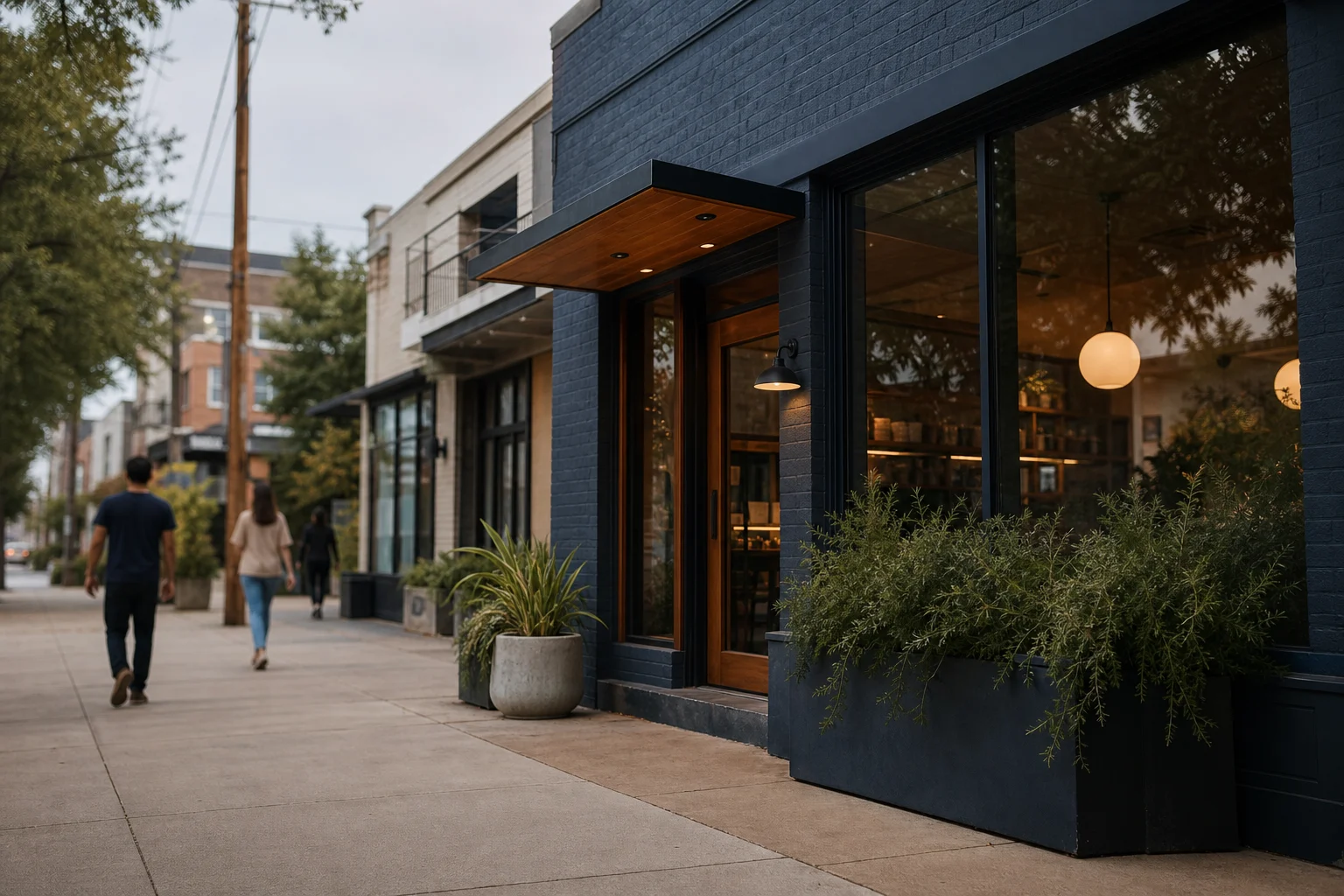
The permit stack to verify
When planning your sandwich and deli shop in Chicago, understanding the local market is crucial. Based on Locavisor neighborhood scoring from the 2026-05 snapshot, Chinatown emerges as the best risk-adjusted play for a sandwich concept, scoring 6.4/10. The positioning highlights Chinatown as a category-of-one opportunity with affordable rent and strong residential density. Market temperature is mixed, competition density is medium, and rent level is medium-high, with a score confidence of 78%.
The top three areas for a sandwich and deli shop in Chicago are:
Chinatown (6.4/10) — Chinatown ranks #1 overall — strong walkability, transit access, and residential density make it a solid neighborhood-corridor play. Rent is manageable at roughly $30-50/sqft NNN. The catch: sandwich/deli demand is moderate here because the lunch crowd skews toward dim sum and noodle shops, not subs.
South Loop (6.3/10) — South Loop ranks #2 with strong demand (6.9) and near-perfect accessibility (8.3). The office index is maxed out — this is a weekday lunch goldmine with ≈10,500 daytime workers within 800m. But rent is trophy-tier: roughly $90-140/sqft NNN. The rentFit score tells the story — this corridor is expensive for a medium-budget operator.
Devon Ave / West Ridge (6.2/10) — Devon Ave / West Ridge ranks #3 with a strong rentFit (9.5) — roughly $20-35/sqft NNN, the most affordable corridor in this set. Residential density is near ceiling with a solid neighborhood-vibrancy score. The catch: this is a destination food corridor dominated by South Asian restaurants and sweet shops. A sandwich shop would be a category outsider here.
City, state, landlord, health, fire, signage, and tax registrations
Your sandwich and deli shop will require multiple layers of compliance. City-level registrations typically include basic business licensing and zoning verification. State requirements often involve sales tax registration and employer identification if you plan to hire staff. Landlord permissions may be needed for build-out plans and equipment installation.
Health department compliance is non-negotiable for food service businesses. This includes facility design standards, equipment specifications, and operational procedures. Fire safety requirements cover everything from exit signage to fire suppression systems. Signage regulations dictate where and how you can display your business name and menu.
Tax registrations include federal, state, and local components. You'll need to understand sales tax collection, payroll tax obligations, and any local business taxes specific to Chicago. Insurance requirements typically include general liability, property coverage, and workers' compensation if you have employees.
Documents to collect before lease signing
Before committing to a location, gather all necessary documentation. Verify zoning regulations for your intended use. Check building codes for any modifications you plan to make. Review health department guidelines for food preparation areas.
Obtain copies of any existing permits for the space. Confirm that the electrical, plumbing, and ventilation systems meet current standards. Document the condition of the space with photographs and written notes.
Review your lease for clauses related to compliance and renovations. Understand your responsibilities for maintaining the property to code. Consult with professionals who can help you navigate the regulatory landscape before signing.
What varies by sandwich and deli shop format
The specific permits you need may vary based on your sandwich and deli shop format. A quick-service operation with limited seating will have different requirements than a full-service restaurant with dine-in options. Mobile food vendors face additional licensing challenges.
Your menu offerings impact health department regulations differently. Handling raw ingredients versus pre-packaged goods requires different safety protocols. Alcohol service, if offered, introduces a separate set of requirements and additional permits.
The size and layout of your space affect building and fire codes. Outdoor seating or sidewalk cafes require additional permissions. Drive-thru operations need special considerations for traffic flow and customer safety.
FAQ
What permits do I need for A Sandwich and Deli Shop in Chicago?
The exact permits required depend on your specific business model, location, and operations. Generally, you'll need city business licensing, state tax registration, health department approval, and compliance with fire and building codes. Your landlord may require additional permissions for your build-out and equipment installation.
How long does the permit process take?
Processing times vary depending on the type of permit and the specific requirements of your business. Some registrations can be completed quickly, while others may require inspections and multiple approvals. Planning ahead and allowing sufficient time for the process is essential.
Can I operate while waiting for permits?
In most cases, you cannot legally operate your sandwich and deli shop until all required permits are approved and in place. Operating without proper licensing can result in fines, closure orders, and legal consequences.
Do I need separate permits for each location?
Yes, if you plan to operate multiple locations, each will need its own set of permits and licenses. Requirements may vary slightly between different neighborhoods or districts within Chicago.
What happens if I fail an inspection?
If you fail an inspection, you'll typically be given a list of corrections needed to come into compliance. Once the issues are addressed, you can request a reinspection. Serious or repeated violations may result in more severe penalties.
How often do I need to renew my permits?
Permit renewal periods vary depending on the type of license. Some annual renewals are required, while others may be valid for multiple years. Keep track of renewal dates to avoid lapses in your authorization.
Can I handle the permitting process myself?
While some business owners choose to navigate the permitting process independently, many find it beneficial to work with professionals who understand the local requirements. A consultant or attorney specializing in food service businesses can help ensure you meet all obligations.
What records should I keep for compliance?
Maintain organized records of all permits, licenses, inspections, and correspondence with regulatory agencies. Document any training programs for staff regarding food safety and operational procedures. These records may be requested during audits or if issues arise.
Last reviewed: 2026-05-08
Sources: U.S. Census Bureau ACS, LEHD LODES, Google Places, OpenStreetMap, Locavisor neighborhood scoring.
Methodology: Locavisor scores neighborhoods across demand, competition fit, rent fit, accessibility, and customer match. Scores reflect a snapshot of recent data and should be combined with on-the-ground research before lease decisions.
Disclaimer: This article provides informational content only and does not constitute legal, financial, accounting, or real-estate advice. Verify lease terms, licensing, local regulations, costs, and professional requirements with qualified local professionals before making business decisions.
Free preview shows top 3 neighborhoods. Full $9.99 report covers all 10 areas with personalized scoring + 90-day check-ins.
Informational only. Verify lease, licensing, local regulations, costs, and professional requirements with qualified local professionals.