Columbus, OH · sandwich and deli shop
Sandwich and deli shop permits Columbus
Opening a sandwich and deli shop in Columbus requires navigating a complex web of permits and licenses. Founders must verify compliance requirements before launching operations. Columbus offers several promising locations for sandwich and deli businesses, with Easton (7.5/10) emerging as the top area based on Locavisor neighborhood scoring. The market temperature is mixed with medium competition density and medium-high rent levels. This checklist helps founders understand the compliance landscape without overwhelming detail.
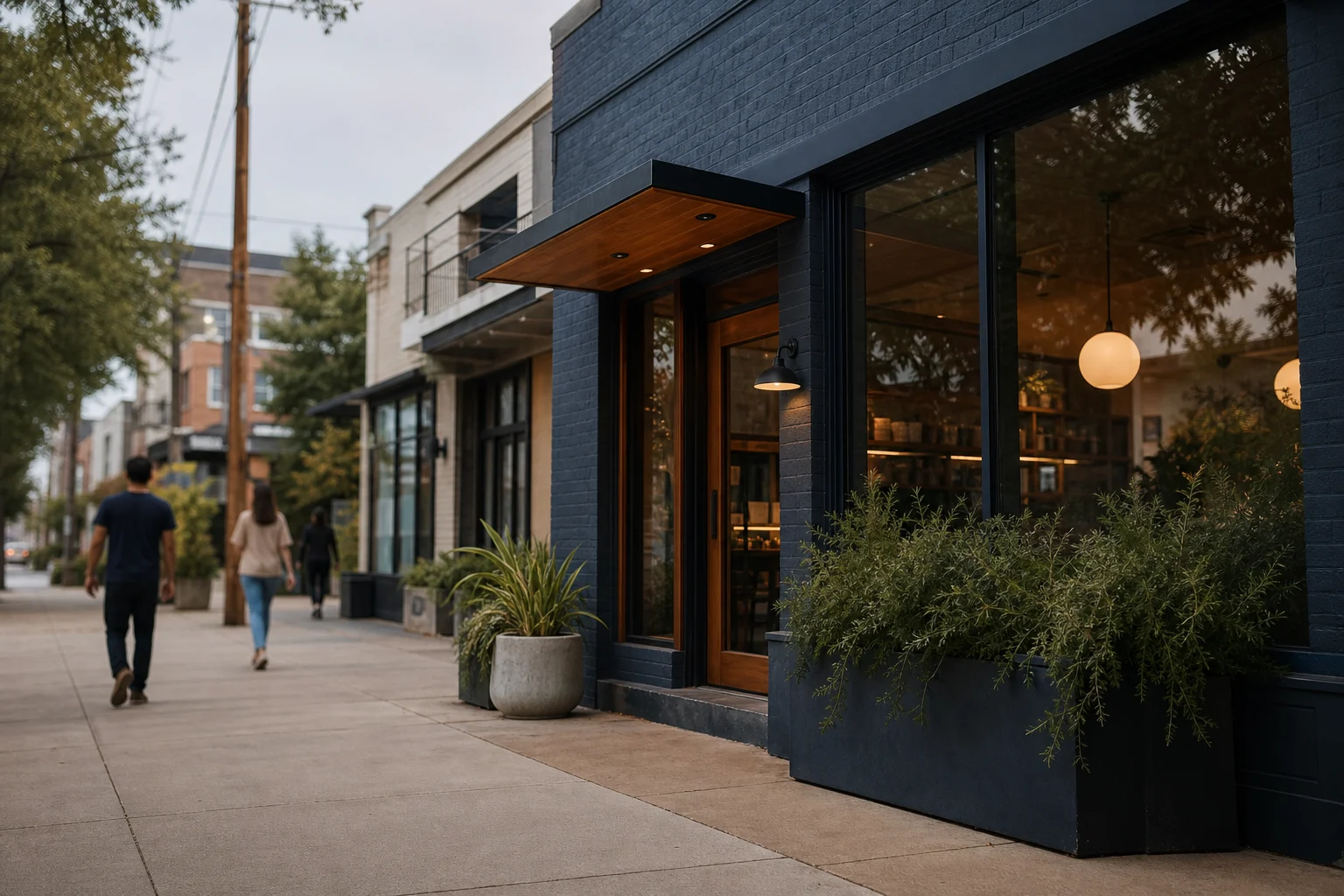
The permit stack to verify
Every sandwich and deli shop in Columbus requires multiple layers of verification. Founders must confirm compliance across city, state, landlord, health, fire, signage, and tax categories. The process varies by location and business format. Easton Town Center presents an opportunity as no sandwich-deli competitors are detected within the search radius. Polaris has established competitors like Potbelly 4.1★/300 reviews and Jersey Mike's Subs 4.4★/362 reviews. Discovery District features Jimmy John's 3.3★/171 reviews and Subway 3.5-3.8★ operators. Each location demands specific compliance considerations.
City, state, landlord, health, fire, signage, and tax registrations
City requirements form the foundation of your compliance stack. Columbus mandates specific registrations for food service businesses. The city's regulations cover zoning compliance, business operation standards, and local health codes. Founders should verify that their chosen location meets all municipal requirements before proceeding.
State requirements extend beyond city regulations. Ohio has additional compliance layers for food establishments. These include state-level health standards and business operation regulations. The state requirements apply uniformly across Columbus locations, though enforcement may vary by district.
Landlord requirements often catch founders unprepared. Lease agreements frequently contain specific clauses about business operations. Easton's $45-70/sqft NNN rent comes with additional operational restrictions. Polaris's premium-tier rent at $65-95/sqft NNN includes more stringent conditions. Discovery District's $45-70/sqft NNN rate has different compliance considerations. Founders must review lease terms carefully before signing.
Health requirements are non-negotiable for food service businesses. Columbus health departments enforce strict standards for food preparation and service. These requirements apply regardless of location within the city. Founders must demonstrate compliance with health codes before opening.
Fire requirements ensure public safety and business continuity. Columbus fire departments have specific standards for food service establishments. These requirements address everything from equipment placement to emergency exits. Compliance is mandatory across all Columbus locations.
Signage requirements affect how businesses present themselves to customers. Columbus has specific regulations about sign size, placement, and illumination. These requirements vary by district and business type. Founders should verify signage compliance before investing in visual branding.
Tax registrations are essential for legal operation. Columbus requires specific tax registrations for food service businesses. These include sales tax, employer withholding, and business income taxes. Founders must complete all tax registrations before opening their doors.
Documents to collect before lease signing
Due diligence requires gathering specific documents before committing to a location. Easton Town Center offers high-foot-traffic corridors but requires thorough verification of compliance documents. Polaris's office density creates opportunity but demands careful document review. Discovery District's daytime population density requires specific attention to compliance documentation.
Zoning documentation confirms that your business type is permitted at the chosen location. Columbus zoning regulations vary by district. Easton's master-planned outdoor mall has specific zoning requirements. Polaris's suburban office-and-retail hub has different zoning considerations. Discovery District's cultural and government corridor has unique zoning requirements.
Building documentation verifies that the space meets structural requirements. Columbus building codes apply to all food service establishments. Easton's commercial spaces have specific building code requirements. Polaris's premium spaces have additional structural considerations. Discovery District's downtown spaces have unique building code requirements.
Health documentation confirms that the space meets food service standards. Columbus health departments require specific documentation for food preparation areas. Easton's spaces have specific health documentation requirements. Polaris's spaces have different health documentation considerations. Discovery District's spaces have unique health documentation requirements.
Fire documentation ensures that the space meets safety standards. Columbus fire departments require specific documentation for food service establishments. Easton's spaces have specific fire documentation requirements. Polaris's spaces have different fire documentation considerations. Discovery District's spaces have unique fire documentation requirements.
What varies by sandwich and deli shop format
Different sandwich and deli shop formats have varying compliance requirements. Easton's high-foot-traffic corridor favors certain formats over others. Polaris's office-and-retail hub supports different operational models. Discovery District's cultural and government corridor has unique format considerations.
Counter-service formats require specific compliance considerations. These formats typically have lower overhead but require specific health and safety documentation. Easton's master-planned outdoor mall supports counter-service models well. Polaris's suburban office-and-retail hub has different counter-service requirements. Discovery District's cultural and government corridor has unique counter-service considerations.
Full-service formats require additional compliance layers. These formats typically have higher overhead but offer greater operational flexibility. Easton's high-foot-traffic corridor supports full-service models well. Polaris's premium spaces have different full-service requirements. Discovery District's downtown spaces have unique full-service considerations.
Catering formats require additional documentation. These formats typically have different health and safety requirements. Easton's strong lunch traffic supports catering operations. Polaris's office density creates catering opportunities. Discovery District's government offices provide catering potential.
FAQ
What permits do I need for A Sandwich and Deli Shop in Columbus?
Founders need to verify compliance across multiple categories. Columbus requires city, state, landlord, health, fire, signage, and tax registrations. The specific requirements vary by location and business format. Easton (7.5/10), Polaris (6.4/10), and Discovery District (6.2/10) each have unique compliance considerations. Founders should consult with local authorities before opening their doors.
How do location requirements affect permit needs?
Different Columbus locations have varying compliance requirements. Easton's master-planned outdoor mall has specific zoning and operational standards. Polaris's suburban office-and-retail hub has different considerations. Discovery District's cultural and government corridor has unique requirements. Founders should verify location-specific compliance needs before committing to a space.
What documentation should I collect before signing a lease?
Founders should gather zoning, building, health, fire, and tax documentation before signing a lease. Easton's commercial spaces have specific documentation requirements. Polaris's premium spaces have different documentation needs. Discovery District's downtown spaces have unique documentation considerations. Thorough due diligence prevents compliance issues later.
How does business format affect compliance requirements?
Different sandwich and deli shop formats have varying compliance needs. Counter-service formats typically have lower overhead but require specific health documentation. Full-service formats require additional compliance layers. Catering formats need additional documentation. Founders should align their format with location-specific requirements.
What are the consequences of non-compliance?
Non-compliance can result in fines, closure, or legal action. Columbus authorities enforce compliance across all districts. Easton's master-planned outdoor mall has specific enforcement mechanisms. Polaris's suburban office-and-retail hub has different enforcement approaches. Discovery District's cultural and government corridor has unique enforcement considerations. Founders should prioritize compliance to avoid penalties.
Last reviewed: 2026-05-08
Sources: U.S. Census Bureau ACS, LEHD LODES, Google Places, OpenStreetMap, Locavisor neighborhood scoring.
Methodology: Locavisor scores neighborhoods across demand, competition fit, rent fit, accessibility, and customer match. Scores reflect a snapshot of recent data and should be combined with on-the-ground research before lease decisions.
Disclaimer: This article provides informational content only and does not constitute legal, financial, accounting, or real-estate advice. Verify lease terms, licensing, local regulations, costs, and professional requirements with qualified local professionals before making business decisions.
Free preview shows top 3 neighborhoods. Full $9.99 report covers all 10 areas with personalized scoring + 90-day check-ins.
Informational only. Verify lease, licensing, local regulations, costs, and professional requirements with qualified local professionals.