Fort Worth, TX · sandwich and deli shop
Sandwich and deli shop permits Fort Worth
Opening a sandwich and deli shop in Fort Worth requires navigating a complex web of permits and licenses. Before you can serve your first signature sandwich, you'll need to verify compliance with city, state, and federal regulations. This checklist breaks down the essential requirements for your Fort Worth sandwich and deli shop, helping you avoid costly delays and ensure smooth operations.
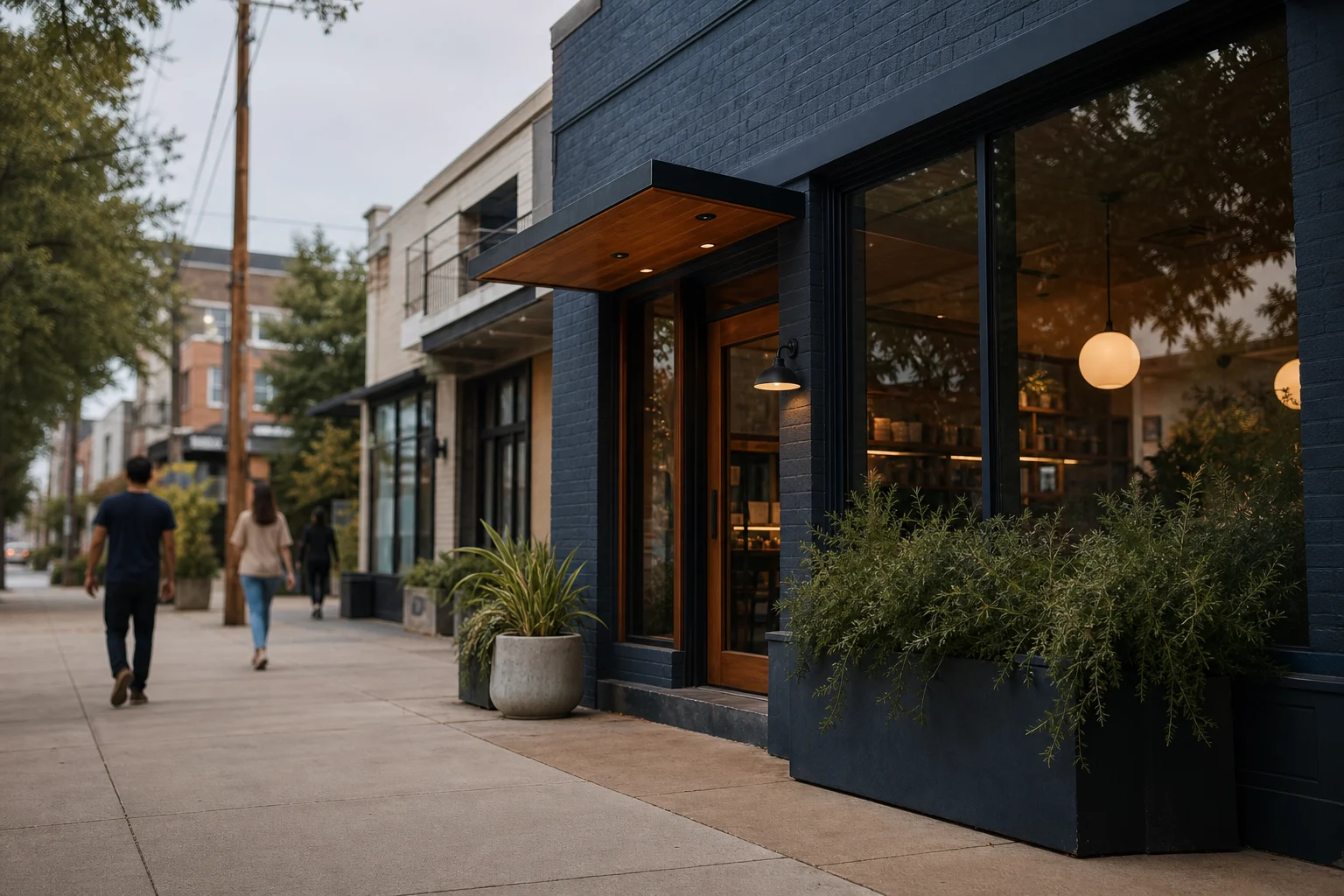
The permit stack to verify
Starting a sandwich and deli shop in Fort Worth means working through multiple layers of compliance. Each category has its own requirements, documentation, and approval processes. The key is to approach this systematically, verifying each requirement before moving to the next. This approach prevents bottlenecks and keeps your opening timeline on track.
City, state, landlord, health, fire, signage, and tax registrations
Fort Worth sandwich and deli shops require verification across several regulatory domains. City-level permits typically include basic business registration and zoning compliance. State requirements often involve sales tax registration and food handler certifications. Landlord approvals may be necessary for build-out plans and equipment installation. Health department verification covers food safety protocols and kitchen operations. Fire department approval ensures your space meets safety standards. Signage permits regulate exterior displays. Tax registrations include both state and local business taxes.
When considering locations, Fort Worth offers distinct neighborhoods with different characteristics. According to Locavisor neighborhood scoring:
Stockyards (6.7/10) — Stockyards is Fort Worth's iconic tourist corridor — strong walkability and retail density, but sandwich shops live on weekday lunch, not weekend cattle drives. The lone nearby Subway (3.6★, 217 reviews) is the only direct competitor, but the area's tourist-heavy daypart profile means you'd be fighting the area's natural rhythm.
Sundance Square (6.7/10) — Sundance Square is Fort Worth's true downtown core — highest daytime population density in the dataset, strong office-worker presence, and excellent transit access via Fort Worth Central Station. The sandwich competition is real but fragmented: Potbelly (4.2★, 273 reviews), Jimmy John's (3.9★, 161 reviews), Jon Smith Subs (4.2★, 179 reviews), and two Subways.
Clearfork (5.9/10) — Clearfork is a master-planned upscale lifestyle center with The Shops at Clearfork as its retail anchor. Office presence is strong (5600 Clearfork Main, WeWork), and there are zero direct sandwich competitors on-site — a notable gap. But rent runs roughly $45-70/sqft NNN (premium corridor pricing), transit access is near-zero, and the customer base is more evening/dinner-oriented.
The market temperature is mixed with medium competition density and low rent levels. Locavisor's scoring confidence stands at 78% based on a 2026-05 snapshot.
Documents to collect before lease signing
Before signing a lease for your Fort Worth sandwich and deli shop, collect specific documentation to avoid future complications. Verify zoning regulations for your intended location to confirm food service operations are permitted. Research building codes that may affect your kitchen layout and equipment installation. Check health department requirements for food preparation areas and storage. Review fire safety standards for occupancy and emergency exits. Investigate signage regulations for exterior displays and branding. Examine tax obligations specific to food service businesses in Fort Worth.
What varies by sandwich and deli shop format
Different sandwich and deli shop formats in Fort Worth may require additional verification steps. A full-service deli with seating areas might face stricter health and fire regulations than a counter-service operation. Shops preparing food on-site versus those using pre-packaged ingredients may have different compliance requirements. Mobile sandwich vendors need separate permits from brick-and-mortar locations. Businesses offering alcohol service require additional verification beyond standard food service permits. Understanding these format-specific requirements helps you plan your compliance strategy effectively.
FAQ
What permits do I need for A Sandwich and Deli Shop in Fort Worth?
Fort Worth sandwich and deli shops typically require verification across multiple categories. City-level permits include basic business registration and zoning compliance. State requirements often involve sales tax registration and food handler certifications. Health department verification covers food safety protocols. Fire department approval ensures your space meets safety standards. Signage permits regulate exterior displays. Tax registrations include both state and local business taxes. The specific requirements may vary based on your shop's format, location, and operations.
Last reviewed: 2026-05-08
Sources: U.S. Census Bureau ACS, LEHD LODES, Google Places, OpenStreetMap, Locavisor neighborhood scoring.
Methodology: Locavisor scores neighborhoods across demand, competition fit, rent fit, accessibility, and customer match. Scores reflect a snapshot of recent data and should be combined with on-the-ground research before lease decisions.
Disclaimer: This article provides informational content only and does not constitute legal, financial, accounting, or real-estate advice. Verify lease terms, licensing, local regulations, costs, and professional requirements with qualified local professionals before making business decisions.
Free preview shows top 3 neighborhoods. Full $9.99 report covers all 10 areas with personalized scoring + 90-day check-ins.
Informational only. Verify lease, licensing, local regulations, costs, and professional requirements with qualified local professionals.