Los Angeles, CA · sandwich and deli shop
Sandwich and deli shop permits Los Angeles
Opening a sandwich and deli shop in Los Angeles requires navigating a complex web of permits and licenses. This guide breaks down what you need to know before you sign a lease or start construction. The permit process can be lengthy and varies by location, so understanding the requirements upfront helps avoid costly delays.
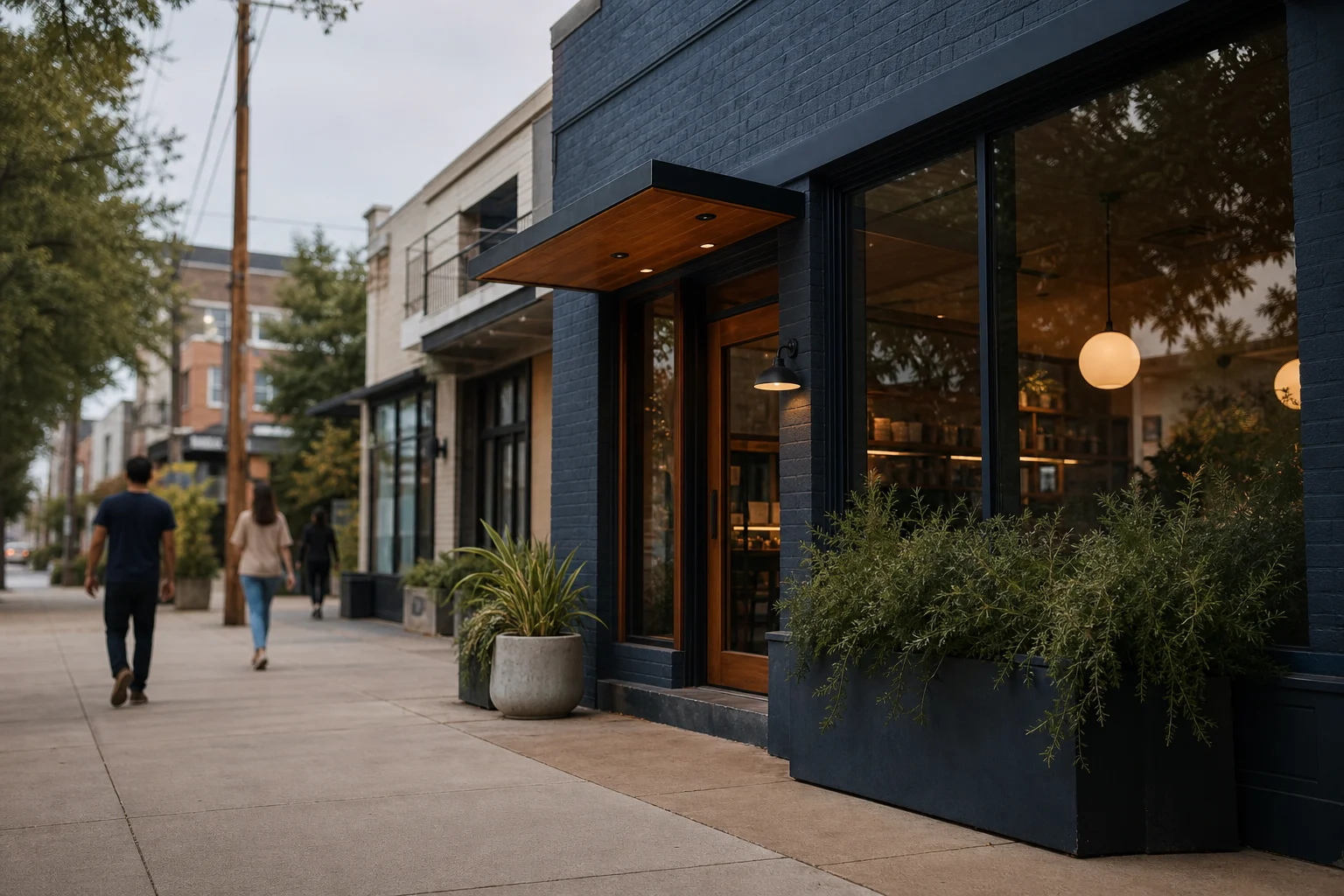
Why permits matter before you sign a lease
Permits aren't just bureaucratic hurdles-they protect your investment and ensure your business operates legally. Many landlords require proof of permits before signing a lease, and banks often need them for financing. The City of Los Angeles has specific requirements for food establishments that vary by neighborhood and building type.
Before committing to a location, verify that the space can accommodate your business type. Some areas have restrictions on food preparation, parking requirements, or noise ordinances that could impact your operations. The top neighborhoods for sandwich and deli shops in Los Angeles, according to Locavisor research, include Downtown LA (DTLA) with a score of 7.7/10 and rent band of $32-$450/sqft/yr NNN, Burbank at 7.6/10 with the same rent band, Culver City at 7.4/10, Sawtelle Japantown at 7.3/10, and Studio City at 7.0/10.
These neighborhoods have established food scenes with successful operators like Mendocino Farms (4.4 stars, 405 reviews) and Marie's Coffee & Deli (4.7 stars, 343 reviews) in Downtown LA, and Jackson Market and Deli (4.6 stars, 1432 reviews) in Culver City. The competition density in these areas indicates that the city has already approved numerous sandwich and deli operations, suggesting the permitting process is established but requires careful navigation.
Required permits and licenses for a sandwich and deli shop in Los Angeles
The core permits you'll need include:
- Business License: Required for all businesses operating in Los Angeles
- Health Department Permit: For food preparation and storage
- Building Permit: If you're making structural changes
- Fire Department Permit: For fire safety systems
- Signage Permit: For exterior business signs
- Zoning Verification: To confirm your business type is allowed at the location
Additional requirements may include:
- Food Handler Certifications for all employees
- Sales Tax Permit
- Employer Identification Number (EIN)
- Possible conditional use permit depending on your location
The exact combination depends on your specific business model, whether you're serving prepared foods on-site, offering delivery, or operating a retail deli with seating.
Realistic timeline from application to opening
The permit process typically takes a variable local timeline, but can extend to a variable local timeline for complex projects. Here's a general timeline:
- Application submission: a variable local timeline
- Review and corrections: a variable local timeline
- Inspections: a variable local timeline
- Final approval: a variable local timeline
Factors that can extend this timeline include:
- Incomplete applications
- Required plan revisions
- Multiple inspection failures
- Zoning issues
- Historic district restrictions
Downtown LA, with its mix of office buildings and transit hubs like 7th Street/Metro Center, often has more streamlined processes for food establishments due to high demand and established procedures. However, areas like Sawtelle Japantown may have additional cultural or historical considerations that lengthen the process.
Common reasons applications get rejected in Los Angeles
Understanding common rejection points helps you prepare a stronger application:
- Incomplete documentation: Missing signatures, unclear plans, or insufficient details
- Non-compliance with health codes: Improper food storage, inadequate handwashing facilities, or incorrect equipment placement
- Building code violations: Structural issues, improper electrical wiring, or insufficient ventilation
- Zoning conflicts: Operating a food business in an area not zoned for commercial food preparation
- Parking deficiencies: Not meeting the required number of parking spaces
- Signage violations: Signs that exceed size limits or don't comply with aesthetic guidelines
The City of Los Angeles has specific requirements for food establishments that must be met before opening. For example, all food preparation areas require commercial-grade equipment and proper ventilation systems. The health department will inspect your facility multiple times during the process, so ensure your space meets all food safety standards from the start.
How to budget for permits and inspections
Permit costs vary significantly based on your business size, location, and the complexity of your project. While exact fees aren't published in advance, you should budget:
- Professional fees: Architect, engineer, or consultant costs
The rent bands in top neighborhoods like Downtown LA ($32-$450/sqft/yr NNN) and Burbank ($32-$450/sqft/yr NNN) reflect the commercial real estate market, but permit costs are additional expenses that must be factored into your startup budget. Many successful operators like Ike's Love & Sandwiches (4.4 stars, 78 reviews) and Jersey Mike's Subs (4.3 stars, 263 reviews) in Downtown LA have navigated these costs to establish profitable businesses.
Consider working with a local permit expediter if you're unfamiliar with the Los Angeles system. Their expertise can save time and reduce the risk of costly mistakes, though they add to your expenses.
Quick reference - which neighborhoods minimize permit friction
| Neighborhood | Locavisor Score | Rent Band | Key Considerations |
|---|---|---|---|
| Downtown LA | 7.7/10 | $32-$450/sqft/yr NNN | High demand, established food scene, good transit access |
| Burbank | 7.6/10 | $32-$450/sqft/yr NNN | Business-friendly, multiple malls and offices nearby |
| Culver City | 7.4/10 | $32-$450/sqft/yr NNN | Growing food scene, Westside location |
| Sawtelle Japantown | 7.3/10 | $32-$450/sqft/yr NNN | Cultural considerations, established Japanese influence |
| Studio City | 7.0/10 | $32-$450/sqft/yr NNN | Residential feel, neighborhood character restrictions |
Downtown LA offers the highest score and has numerous successful sandwich and deli shops like Mendocino Farms, Marie's Coffee & Deli, and Ike's Love & Sandwiches, indicating a supportive environment for new businesses. However, competition is also highest in this area. Burbank, with anchors like Burbank Town Center and Burbank Empire Center, provides a business-focused environment with slightly less competition.
Culver City, home to Jackson Market and Deli (4.6 stars, 1432 reviews), offers a balance of residential and commercial spaces. Sawtelle Japantown has cultural considerations that may affect your permitting process, while Studio City has neighborhood character restrictions that could impact exterior modifications.
FAQ
Q: What permits do I need to open a sandwich and deli shop in Los Angeles?
A: You'll need a Business License from the City of Los Angeles, a Health Department Permit for food preparation, possibly a Building Permit if making structural changes, a Fire Department Permit for fire safety systems, and a Signage Permit for exterior signs. Additional requirements may include Food Handler Certifications for employees, Sales Tax Permit, and Employer Identification Number (EIN).
Q: How long does the permit process take in Los Angeles?
A: The timeline varies from 4 weeks for simple projects to a variable local timeline for complex ones. Downtown LA often has more streamlined processes due to high demand, while areas like Sawtelle Japantown may have additional considerations. Common delays come from incomplete applications, required plan revisions, or multiple inspection failures.
Q: Can I operate a sandwich and deli shop from a home kitchen in Los Angeles?
A: Home-based food businesses are generally not permitted for retail sandwich and deli operations in Los Angeles. The city requires commercial kitchen facilities that meet specific health and safety standards. However, some cottage food operations may be allowed for certain non-potentially hazardous foods-check with the Los Angeles County Department of Public Health for current regulations.
Q: Do I need different permits if I offer delivery versus dine-in service?
A: Yes, dine-in operations require additional considerations including seating capacity, restroom facilities, and potentially outdoor seating permits. Delivery-focused businesses may need fewer interior modifications but still require full food preparation permits. The type of service impacts your seating, parking, and signage requirements.
Q: How do I find out if my chosen location is zoned for a sandwich and deli shop?
A: Contact the Los Angeles Department of City Planning's Zoning Administration. They can provide a zoning verification letter confirming whether your business type is permitted at the specific address. This should be done before signing a lease, as re-zoning can be a lengthy and uncertain process.
Last reviewed: 2026-05-30
Sources: U.S. Census Bureau ACS, LEHD LODES, Google Places, OpenStreetMap, Locavisor neighborhood scoring.
Methodology: Locavisor scores neighborhoods across demand, competition fit, rent fit, accessibility, and customer match. Scores reflect a snapshot of recent data and should be combined with on-the-ground research before lease decisions.
Disclaimer: This article provides informational content only and does not constitute legal, financial, accounting, or real-estate advice. Verify lease terms, licensing, local regulations, costs, and professional requirements with qualified local professionals before making business decisions.
Free preview shows top 3 neighborhoods. Full $9.99 report covers all 10 areas with personalized scoring + 90-day check-ins.
Informational only. Verify lease, licensing, local regulations, costs, and professional requirements with qualified local professionals.