Minneapolis, MN · sandwich and deli shop
Sandwich and deli shop permits Minneapolis
Opening a sandwich and deli shop in Minneapolis requires navigating a complex web of permits and licenses. This guide breaks down the essential compliance requirements for your new venture, helping you focus on what matters most: serving great food to your customers.
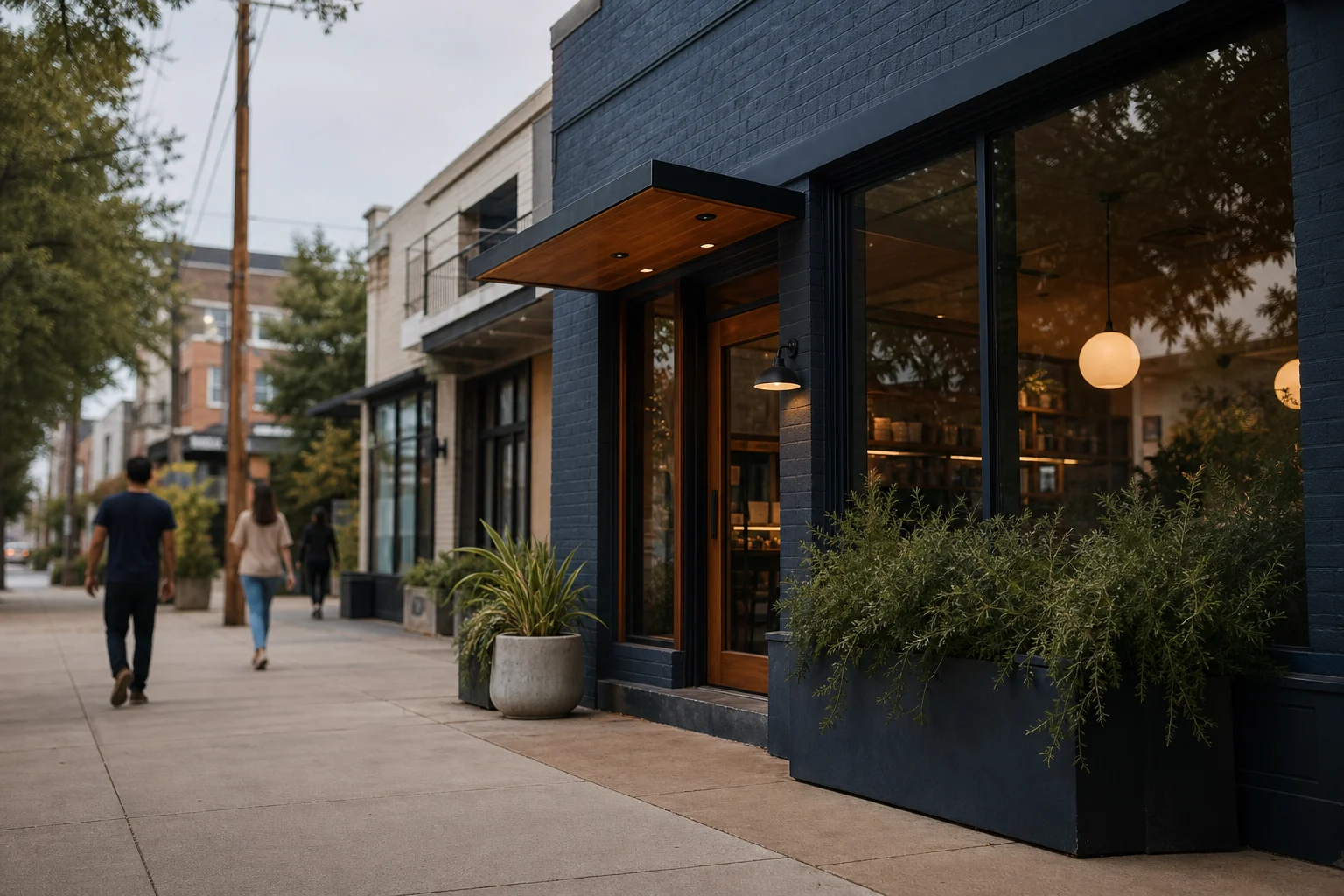
The permit stack to verify
Before opening your sandwich and deli shop in Minneapolis, you'll need to verify several categories of permits and licenses. These requirements ensure your business operates legally and safely. The process involves coordination between city, state, and sometimes federal authorities, as well as compliance with health, fire, and building codes.
City, state, landlord, health, fire, signage, and tax registrations
Your sandwich and deli shop will require multiple registrations across different levels of government and private entities. Understanding these requirements upfront prevents costly delays and compliance issues later.
City-level registrations typically include basic business licensing and zoning compliance. Minneapolis requires all businesses to register with the city before operating. You'll need to verify that your chosen location is properly zoned for food service operations.
State-level requirements include sales tax registration and possibly food handler certifications. Minnesota requires all businesses collecting sales tax to register with the Department of Revenue. Additionally, food service workers must complete food safety training.
Landlord requirements often include additional permits beyond city and state requirements. Your lease agreement may specify particular compliance standards or additional insurance requirements. Review your lease carefully to understand all obligations.
Health permits are critical for any food service business. Minneapolis requires inspections to ensure your facility meets food safety standards. This includes proper food storage, preparation areas, and sanitation facilities.
Fire safety compliance is non-negotiable for any food service establishment. Your sandwich and deli shop must pass fire inspections, which include proper fire extinguisher placement, emergency exits, and electrical safety.
Signage permits regulate the size, placement, and illumination of your business signs. Minneapolis has specific guidelines for commercial signage to maintain neighborhood aesthetics and safety.
Tax registrations include federal employer identification if you plan to hire staff, as well as ongoing sales tax remittance requirements. Keep detailed records of all transactions to ensure accurate reporting.
Documents to collect before lease signing
Before committing to a commercial space for your sandwich and deli shop, gather essential documents to verify compliance requirements. This due diligence prevents unexpected obstacles after signing your lease.
Verify the property's zoning classification to confirm it allows food service operations. Request documentation from the city showing the current zoning designation and any restrictions that might affect your business plans.
Obtain copies of previous health inspection reports for the space. These documents reveal any recurring issues that might require expensive remediation before opening your sandwich and deli shop.
Review the building's certificate of occupancy to confirm it's valid for the intended use. This document verifies the building meets minimum safety standards for commercial occupancy.
Check for any open code violations or outstanding permits associated with the property. Addressing these issues before signing your lease prevents future complications and potential fines.
Research neighborhood-specific regulations that might affect your sandwich and deli shop. Some Minneapolis neighborhoods have additional requirements for food establishments, particularly in historic districts or areas with specific character preservation guidelines.
What varies by sandwich and deli shop format
The specific permits and licenses required for your sandwich and deli shop may vary depending on your business model and operational details. Understanding these variations helps you prepare for the unique requirements of your particular concept.
Full-service sandwich and deli shops with seating areas typically face more stringent requirements than take-only establishments. If you plan to offer dine-in options, additional health and safety regulations apply, including restroom facilities and accessible seating.
Pre-packaged food operations may have different compliance requirements than shops preparing food on-site. If your business model focuses on pre-made sandwiches and salads with minimal preparation, some health department requirements might be less intensive.
Mobile sandwich and deli operations require different permits than brick-and-mortar establishments. If you plan a food truck or cart model, you'll need mobile vendor permits and potentially different health compliance standards.
Catering businesses have additional licensing requirements beyond standard sandwich and deli operations. If you plan to offer catering services, you may need separate permits for off-site food preparation and transport.
Franchise sandwich and deli shops must comply with both corporate standards and local regulations. Franchise agreements often include specific requirements that go beyond minimum city and state standards.
FAQ
What permits do I need for A Sandwich and Deli Shop in Minneapolis?
You'll need multiple permits including city business licensing, state sales tax registration, health department permits, fire safety compliance, and potentially signage permits. The exact requirements depend on your specific business model and location.
How long does the permit process take in Minneapolis?
Processing times vary depending on the type of permit and current application volumes. Some permits may be issued quickly, while others, particularly health department approvals, may require multiple inspections and take several weeks to complete.
Can I apply for permits before finding a location?
Some permits, like state sales tax registration, can be obtained before securing a physical location. However, most location-specific permits require you to have an identified address before application.
What happens if I open without proper permits?
Operating without required permits can result in fines, forced closure, and difficulty obtaining permits in the future. It's essential to complete all necessary registrations before opening your sandwich and deli shop.
Do I need special permits for outdoor seating?
If you plan to offer outdoor seating, you'll likely need additional permits for sidewalk use or patio construction. Minneapolis has specific regulations for outdoor dining areas that must be followed.
How often do I need to renew my permits?
Permit renewal requirements vary by type. Some annual permits require yearly renewal, while others may be valid for multiple years. Check with the issuing authorities for specific renewal timelines.
Last reviewed: 2026-05-08
Sources: U.S. Census Bureau ACS, LEHD LODES, Google Places, OpenStreetMap, Locavisor neighborhood scoring.
Methodology: Locavisor scores neighborhoods across demand, competition fit, rent fit, accessibility, and customer match. Scores reflect a snapshot of recent data and should be combined with on-the-ground research before lease decisions.
Disclaimer: This article provides informational content only and does not constitute legal, financial, accounting, or real-estate advice. Verify lease terms, licensing, local regulations, costs, and professional requirements with qualified local professionals before making business decisions.
Free preview shows top 3 neighborhoods. Full $9.99 report covers all 10 areas with personalized scoring + 90-day check-ins.
Informational only. Verify lease, licensing, local regulations, costs, and professional requirements with qualified local professionals.